

Choosing Between Positive Pressure and Negative Pressure for Cement Raw Material Pneumatic Conveying
Pneumatic conveying is a critical technology in the cement industry for transporting raw materials efficiently. When selecting a system, the choice between positive pressure and negative pressure systems is a key decision that impacts operational efficiency, cost, and material handling capabilities. This article explores the differences between these two approaches and provides guidance on how to determine the most suitable option for cement raw material transportation.
Understanding Positive Pressure Pneumatic Conveying
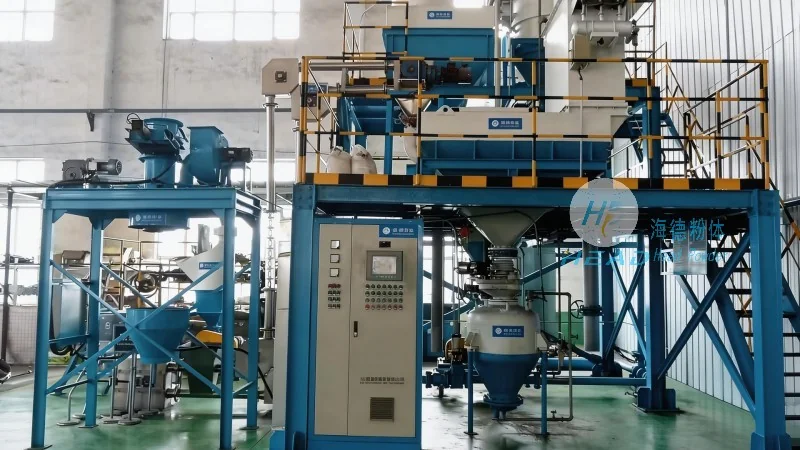
Positive pressure pneumatic conveying systems operate by generating pressure within the conveying line, typically using a positive displacement blower or a rotary lobe blower. The system forces air and material through the pipeline, ensuring that the material is continuously moved from the source to the destination. This method is often preferred for long-distance or high-capacity applications where the material needs to be transported over significant distances or through complex network systems. The positive pressure system maintains a higher pressure than the ambient environment, which helps in overcoming resistance and ensuring consistent material flow. For cement raw materials, which often include fine powders and abrasive particles, the positive pressure approach can provide better control over the material's velocity and distribution, reducing the risk of blockages and ensuring a smooth transfer process.
Key Characteristics of Positive Pressure Systems
Positive pressure systems are characterized by their ability to handle a wide range of material types, including high-density and abrasive materials commonly found in cement production. The high-pressure environment helps in maintaining the integrity of the material, preventing segregation and ensuring that the raw materials reach the processing plant in optimal condition. Additionally, these systems are generally more suitable for applications where the material needs to be conveyed over long distances or through multiple transfer points, as the positive pressure can effectively maintain the material's momentum and prevent backflow. The equipment used in positive pressure systems, such as positive displacement blowers, is designed to deliver a consistent airflow, which is crucial for maintaining the stability of the material stream. This consistency is particularly important in cement production, where even minor variations in material flow can impact the quality of the final product.
Exploring Negative Pressure Pneumatic Conveying
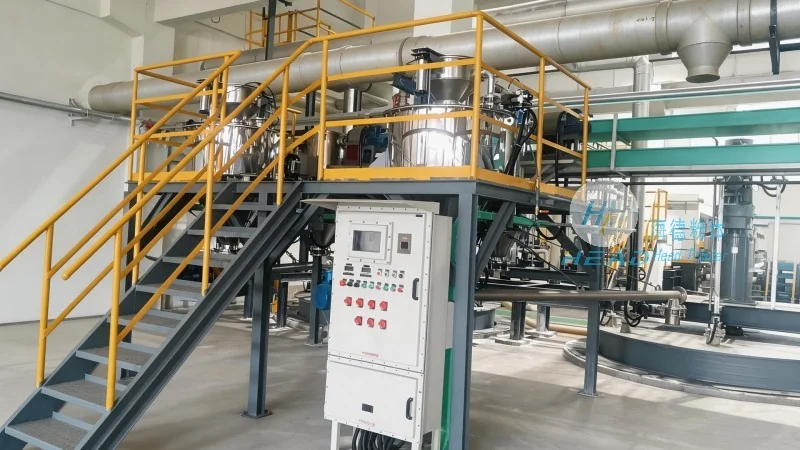
Negative pressure pneumatic conveying, also known as vacuum conveying, operates by creating a vacuum within the conveying line. The system draws material from the source and pulls it through the pipeline using a vacuum pump. This method is often used for shorter distances or when the material needs to be collected from multiple points and transported to a central location. The negative pressure system relies on the difference in pressure between the source and the destination to move the material, which can be more energy-efficient for shorter conveying distances. However, it may be less effective for long-distance or high-capacity applications due to the limitations of the vacuum pump's ability to maintain a consistent flow over extended periods.
Distinguishing Between Positive and Negative Pressure Systems
The primary distinction between positive and negative pressure systems lies in the direction of air flow and the pressure differential. In positive pressure systems, air is pushed through the pipeline, while in negative pressure systems, air is pulled. This difference affects the system's ability to handle material characteristics, such as particle size, density, and moisture content. For example, positive pressure systems are generally better suited for handling fine powders and high-density materials, as the high pressure helps in maintaining the material's cohesion and preventing it from settling or clogging the pipeline. Negative pressure systems, on the other hand, are more effective for handling materials with lower density or when the material needs to be collected from a single source and transported to a central processing unit. The choice between the two systems also depends on the specific application requirements, including the distance between the source and destination, the number of transfer points, and the type of material being conveyed.
Factors to Consider When Choosing a System
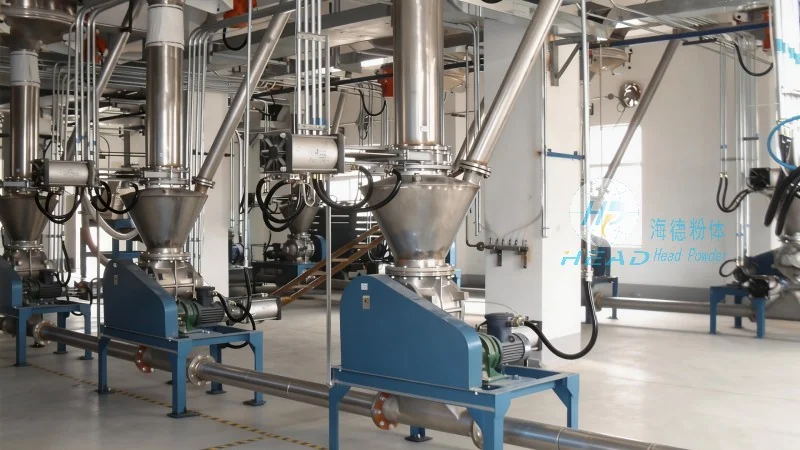
When deciding between positive and negative pressure pneumatic conveying for cement raw materials, several factors must be considered. The first factor is the distance and layout of the conveying system. For long-distance or complex network applications, positive pressure systems are often more reliable due to their ability to maintain consistent pressure and flow. For shorter distances or simple line configurations, negative pressure systems may be more cost-effective. The second factor is the material characteristics, including particle size, density, and moisture content. High-density and fine powders are better handled by positive pressure systems, while lower-density materials may be more suitable for negative pressure systems. The third factor is the operational cost, including energy consumption and maintenance requirements. Positive pressure systems typically require more energy to operate, especially for high-capacity applications, while negative pressure systems may have lower energy costs but higher maintenance due to the vacuum pump. The fourth factor is the system's flexibility and scalability. Positive pressure systems can be easily expanded to accommodate increased material flow or additional transfer points, making them more suitable for growing production needs. Negative pressure systems, while more compact, may have limitations in terms of scalability and may require additional equipment to handle increased capacity.
Conclusion and Recommendations
Choosing between positive and negative pressure pneumatic conveying for cement raw materials requires a careful evaluation of the specific application requirements, material characteristics, and operational constraints. Positive pressure systems offer advantages in terms of high-capacity, long-distance conveying, and material control, making them suitable for large-scale cement production facilities. Negative pressure systems, on the other hand, are more energy-efficient for shorter distances and can be more cost-effective for smaller-scale operations or applications with lower material flow rates. The decision should be based on a comprehensive analysis of the system's performance, cost, and scalability to ensure optimal performance and efficiency in the cement production process. By understanding the differences between these two approaches and considering the specific needs of the cement plant, operators can select the most appropriate pneumatic conveying system to enhance operational efficiency and maintain the quality of the raw materials.