With more than 10‑year industry experience, Shandong Headpowder delivers full‑service pneumatic‑conveying systems and blowers, undertaking nationwide turn‑key powder‑handling projects.
When it comes to transporting flake graphite, selecting the right pneumatic conveying system is crucial for efficiency and operational success. Two primary methods dominate the industry: positive pressure conveying and negative pressure conveying. Understanding the differences between these systems is essential for choosing the most suitable solution for your specific application. This article explores the key characteristics of both positive and negative pressure conveying for flake graphite, helping you make an informed decision.
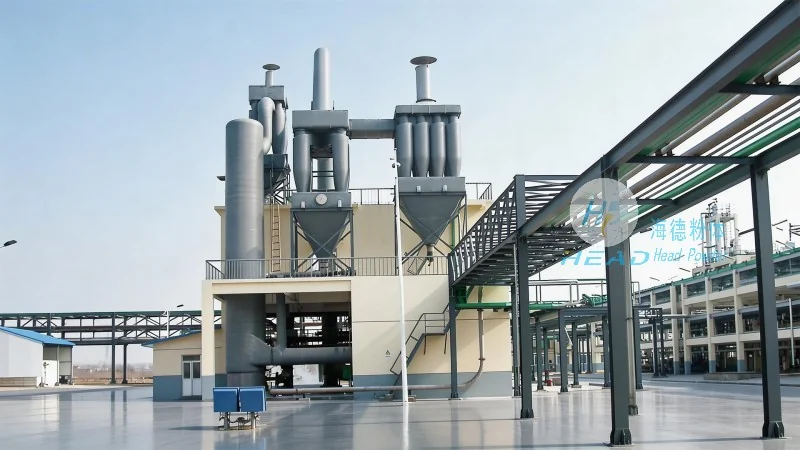
Positive pressure conveying operates by blowing air or a gas mixture into the conveying line, creating a pressure higher than the ambient air pressure. This method is often preferred for flake graphite due to its ability to handle abrasive materials and maintain product integrity. The system typically consists of a blower, a hopper, and a conveying line, with the air flow directed toward the material to be transported. One of the main advantages of positive pressure conveying is its ability to handle long distances and high material loads, making it suitable for large-scale operations. Additionally, this method is generally more cost-effective for high-volume applications, as it requires less maintenance compared to negative pressure systems.
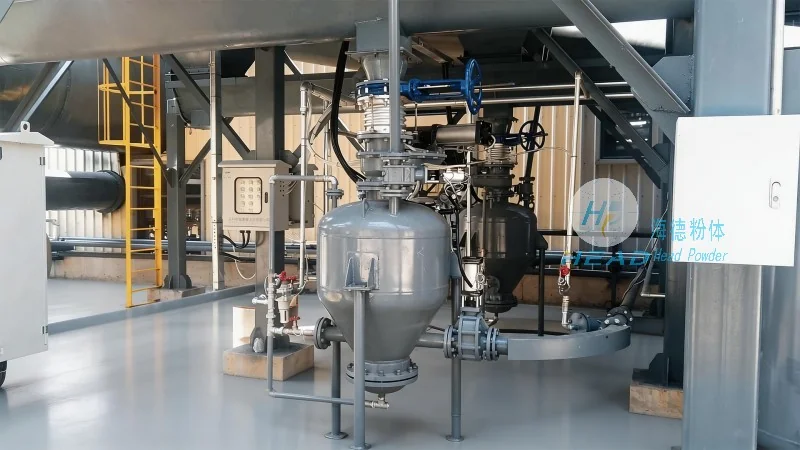
Negative pressure conveying, also known as suction conveying, works by creating a vacuum in the conveying line, drawing material from the source into the system. This approach is ideal for applications where dust control is a priority, as the system is sealed and prevents dust from escaping into the environment. The equipment used in negative pressure conveying includes a vacuum pump, a hopper, and a filter system to capture any airborne particles. A key benefit of this method is its effectiveness in handling fine or light materials, as the vacuum ensures all particles are captured and transported. However, negative pressure conveying may be less efficient for long distances or high material loads, as the system can experience pressure drops and increased energy consumption.
Several factors can help distinguish between positive and negative pressure conveying systems for flake graphite. First, consider the pressure differential: positive pressure systems operate at pressures above ambient, while negative pressure systems operate at pressures below ambient. Second, evaluate the system design: positive pressure systems are generally more robust and require less complex filtration, whereas negative pressure systems need efficient dust collection to prevent contamination. Third, assess the application requirements: positive pressure is better suited for high-volume, long-distance transport, while negative pressure is ideal for applications requiring strict dust control or handling fine materials. Finally, consider the operational costs: positive pressure systems are often more economical for large-scale operations, whereas negative pressure systems may be more suitable for smaller, more localized applications.
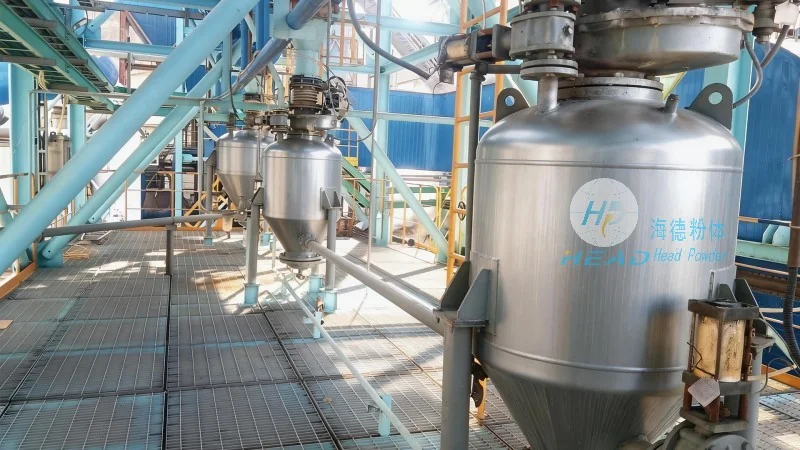
Choosing between positive and negative pressure conveying for flake graphite depends on several factors, including material characteristics, distance, dust control needs, and operational costs. By understanding the differences in system operation, advantages, and limitations, you can select the most appropriate conveying method for your specific requirements. Shandong HeadPowder Engineering Co., Ltd., a leading provider of engineering solutions for material handling, offers expertise in designing and implementing both positive and negative pressure conveying systems tailored to the unique needs of flake graphite applications. With a focus on efficiency, reliability, and environmental compliance, HeadPowder helps clients optimize their material transport processes and achieve operational excellence. Based in Shandong, China, HeadPowder leverages advanced technology and industry knowledge to deliver high-quality solutions that meet the demands of modern industrial applications.

 Shandong Headpowder Engineering Co., Ltd.
 156-6277-7102(Manager Zhang)
  0531-83386006
  Zhangqiu District, Jinan City, Shandong Province, China
telephone
WeChatconsult
top