With more than 10‑year industry experience, Shandong Headpowder delivers full‑service pneumatic‑conveying systems and blowers, undertaking nationwide turn‑key powder‑handling projects.
When it comes to transporting silica powder, selecting the right pneumatic conveying system is crucial for efficiency, cost-effectiveness, and operational safety. The two primary methods are positive pressure and negative pressure systems, each with distinct characteristics and applications. Understanding the differences between these two approaches is essential for making an informed decision that aligns with your specific process requirements.
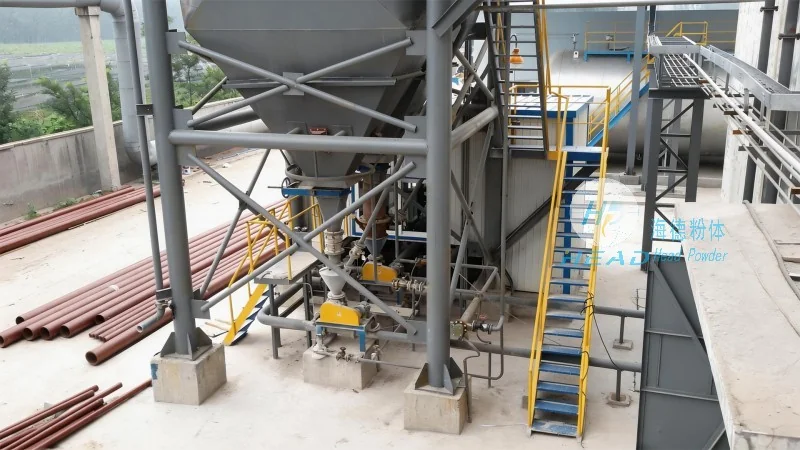
Positive pressure systems operate by blowing air or gas into the material to move it through the conveying line. This method is often preferred for applications involving abrasive or high-density materials like silica powder. The pressure is generated by a blower or compressor at the inlet of the system, pushing the material forward. One of the key advantages of positive pressure is its ability to handle longer distances and higher material loads without significant pressure loss. Additionally, positive pressure systems are generally more suitable for conveying materials that are prone to caking or bridging, as the constant pressure helps maintain flow. However, they may require more robust equipment and higher energy consumption compared to negative pressure systems.
Negative pressure systems, also known as suction systems, work by creating a vacuum at the inlet to draw material into the conveying line. The air is then filtered and discharged at the outlet. This method is commonly used for applications where the material is to be collected from a source, such as a hopper or silo, and transported to a destination. Negative pressure systems are particularly effective for handling fine powders like silica, as they can minimize dust emissions and maintain a cleaner environment. They are also more energy-efficient for shorter conveying distances and lower material loads. However, negative pressure systems may have limitations in terms of conveying distance and material capacity, as the pressure differential is limited by the vacuum capability of the system.
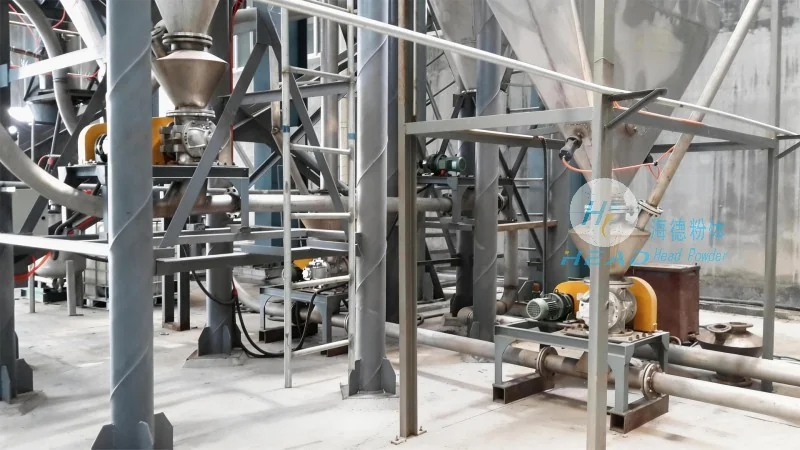
Distinguishing between positive and negative pressure pneumatic conveying systems involves evaluating several key factors. First, consider the material properties: if the silica powder is abrasive or has a tendency to clog, a positive pressure system may be more appropriate due to its ability to maintain consistent flow. Conversely, if the application requires minimal dust generation and the conveying distance is short, a negative pressure system could be a better fit. Second, assess the operational environment: positive pressure systems are often used in industrial settings where high material throughput is required, while negative pressure systems are common in applications that prioritize environmental control. Third, evaluate the energy consumption and equipment costs: positive pressure systems typically require more powerful blowers and higher energy input, whereas negative pressure systems may be more economical for smaller-scale operations. By carefully analyzing these factors, you can determine which system best suits your silica powder conveying needs.
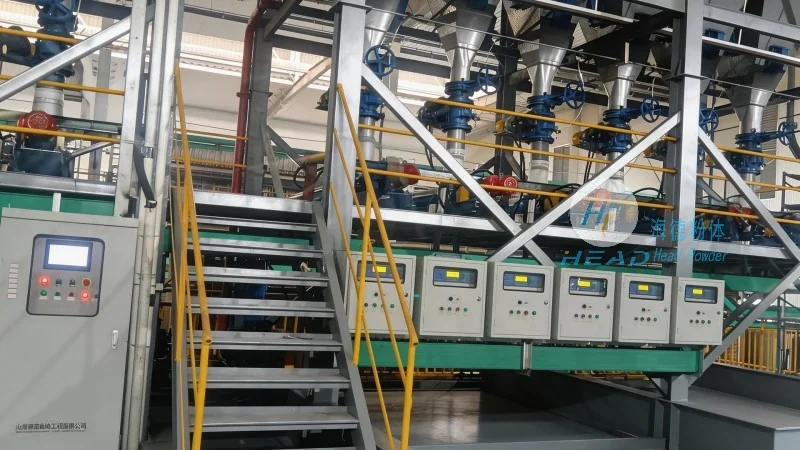
For silica powder applications, the choice between positive and negative pressure systems depends on the specific process requirements. Positive pressure systems are ideal for scenarios where high material flow rates, long conveying distances, or the need to handle abrasive materials are critical. They provide reliable performance and can be integrated with existing industrial infrastructure. On the other hand, negative pressure systems are suitable for applications that require low dust emissions, short distances, and cost-effective solutions. They are particularly beneficial in environments where environmental regulations are strict and dust control is a priority. Ultimately, the decision should be based on a thorough analysis of the material characteristics, operational constraints, and long-term cost considerations.
Choosing between positive pressure and negative pressure pneumatic conveying systems for silica powder requires a careful evaluation of the material properties, operational requirements, and environmental considerations. Positive pressure systems offer robustness and high capacity, while negative pressure systems provide efficiency and low dust emissions. By understanding the key differences and selecting the appropriate system, you can optimize your silica powder handling process, enhance operational efficiency, and ensure compliance with industry standards. Whether you opt for a positive or negative pressure system, the goal is to achieve reliable, cost-effective, and safe material transport that meets your specific needs.

 Shandong Headpowder Engineering Co., Ltd.
 156-6277-7102(Manager Zhang)
  0531-83386006
  Zhangqiu District, Jinan City, Shandong Province, China
telephone
WeChatconsult
top