With more than 10‑year industry experience, Shandong Headpowder delivers full‑service pneumatic‑conveying systems and blowers, undertaking nationwide turn‑key powder‑handling projects.
When it comes to efficiently transporting rice from one location to another, businesses in the agricultural and food processing sectors often seek reliable and effective methods. Pneumatic conveying systems have emerged as a popular choice for handling rice due to their ability to transport bulk materials with minimal dust, reduced product damage, and enhanced operational flexibility. This article explores several key solutions for pneumatic rice conveying, highlighting the advantages and practical applications of each approach.
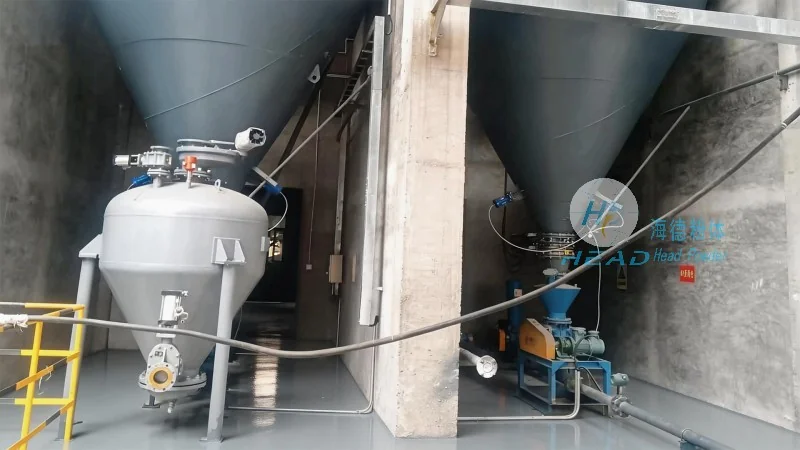
Pneumatic conveying involves the use of air or gas to move solid materials like rice through a pipeline system. The process typically relies on either pressure or vacuum to create the necessary force for material transport. There are two main types of pneumatic conveying systems: pressure and vacuum. Pressure systems use compressed air to push the material forward, while vacuum systems use suction to draw the material into the pipeline. Each type has its own set of advantages and is suitable for different operational requirements.
For rice handling, several specialized pneumatic conveying solutions are commonly employed. These solutions are designed to address the unique characteristics of rice, such as its lightweight nature, susceptibility to breakage, and the need for gentle handling to preserve quality. The following are some of the most effective pneumatic conveying solutions for rice:
Dilute phase pneumatic conveying is a widely used method for transporting rice over short to medium distances. This system operates by injecting air into the material stream at a high velocity, creating a dilute mixture of rice and air. The mixture is then carried through the pipeline to the destination. Dilute phase systems are known for their high capacity and ability to handle large volumes of rice efficiently. They are particularly suitable for applications where the conveying distance is relatively short, typically up to a few hundred meters. The system's design ensures that the rice particles are suspended in the air stream, minimizing the risk of product degradation and ensuring a smooth flow.
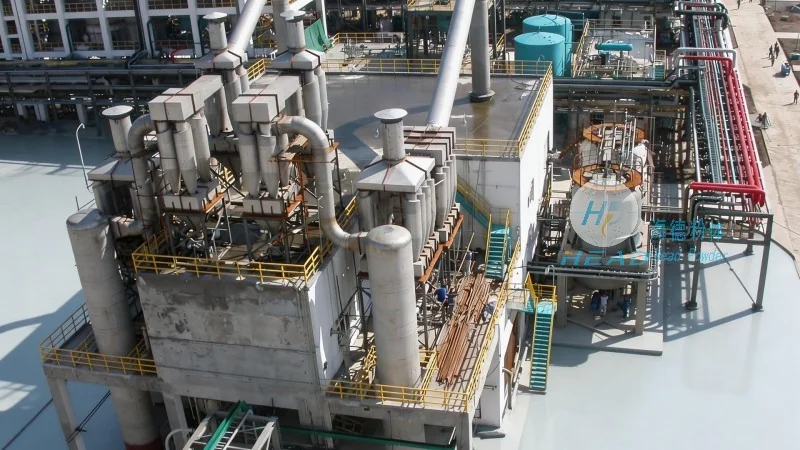
For longer conveying distances or when gentler handling of rice is required, dense phase pneumatic conveying is often preferred. Unlike dilute phase systems, dense phase systems operate at lower air velocities, resulting in a more concentrated mixture of rice and air. This approach reduces the risk of product breakage and ensures that the rice maintains its quality throughout the transport process. Dense phase systems are ideal for applications where the conveying distance exceeds several hundred meters and where the preservation of rice integrity is critical. The system typically uses a pressure vessel or a compressor to generate the necessary pressure, allowing for controlled and efficient transport of rice.
Vacuum pneumatic conveying systems are commonly used for rice handling in situations where the material needs to be transported from a lower elevation to a higher one, or when the source and destination are at different levels. This system operates by creating a vacuum in the pipeline, which draws the rice from the source into the system. The vacuum is maintained by a vacuum pump, and the rice is then transported to the destination. Vacuum systems are particularly effective for handling rice in environments where dust control is essential, as the vacuum helps to contain and minimize the release of particles into the air. They are also suitable for applications where the material needs to be conveyed from multiple points or where the source is located in a confined space.
In some cases, a combination of pressure and vacuum systems, known as hybrid pneumatic conveying systems, may be used for rice transport. These systems offer the benefits of both pressure and vacuum conveying, allowing for flexibility in handling different operational scenarios. For example, a hybrid system might use a vacuum to draw rice from a storage silo and then use a pressure system to transport it to a processing facility. This approach ensures efficient and reliable transport of rice while maintaining the quality of the product. Hybrid systems are particularly useful in complex rice handling operations where multiple stages of transport are required.
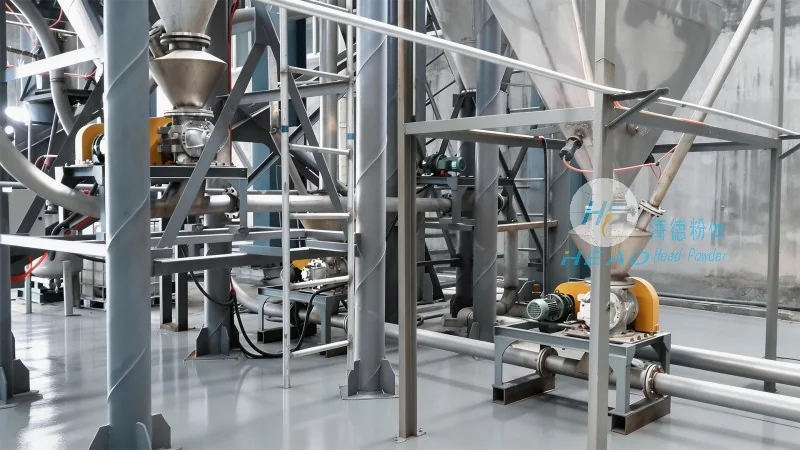
There are several key advantages of using pneumatic conveying systems for rice transport. First, these systems provide a dust-free environment, which is crucial for maintaining the quality of rice and ensuring compliance with health and safety regulations. Second, pneumatic conveying reduces the risk of product breakage and damage, which is essential for preserving the integrity of rice grains. Third, the systems offer high capacity and efficiency, allowing for the transport of large volumes of rice in a short amount of time. Fourth, pneumatic conveying systems are flexible and can be easily integrated into existing rice handling operations. They can be adjusted to accommodate changes in production volume or operational requirements, making them a versatile solution for rice transport.
When selecting a pneumatic conveying solution for rice, several factors need to be considered. These include the distance of the conveying operation, the volume of rice to be transported, the need for gentle handling, and the environmental requirements. It is important to work with a reputable supplier who can provide expert advice and customized solutions tailored to the specific needs of the rice operation. Shandong HeadPowder Engineering Co., Ltd., a leading provider of pneumatic conveying systems, offers a range of solutions for rice handling, including dilute phase, dense phase, and vacuum systems. The company's expertise in rice processing and conveying technology ensures that customers receive the most suitable and efficient system for their needs.
Pneumatic conveying systems offer a reliable and effective solution for transporting rice in various industrial and agricultural applications. By understanding the different types of pneumatic conveying solutions and their advantages, businesses can select the most appropriate system to meet their operational requirements. Whether it's a short-distance transport or a long-distance operation, pneumatic conveying provides a flexible and efficient method for handling rice while maintaining its quality and integrity. With the right system and expert guidance, rice producers and processors can enhance their operational efficiency and ensure the quality of their products.

 Shandong Headpowder Engineering Co., Ltd.
 156-6277-7102(Manager Zhang)
  0531-83386006
  Zhangqiu District, Jinan City, Shandong Province, China
telephone
WeChatconsult
top