With more than 10‑year industry experience, Shandong Headpowder delivers full‑service pneumatic‑conveying systems and blowers, undertaking nationwide turn‑key powder‑handling projects.
Yeast, as a vital component in the food and beverage industry, demands efficient and safe handling to maintain product integrity and operational efficiency. Pneumatic conveying stands out as a preferred method for transporting yeast, leveraging air or gas to move bulk materials through a pipeline network. This approach offers advantages such as hygienic operation, reduced contamination risk, and adaptability to sensitive materials. This article explores several effective solutions for yeast pneumatic conveying, emphasizing key design considerations and practical applications.
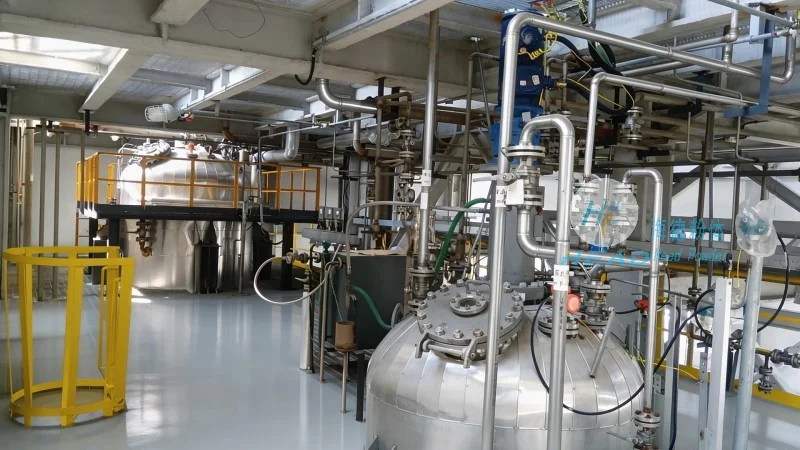
Pneumatic conveying systems are categorized into pressure and vacuum types. Pressure systems generate positive air pressure to push yeast forward, while vacuum systems use suction to draw material into the pipeline. Each type suits different operational needs, with pressure systems often preferred for high-capacity or long-distance transport, and vacuum systems ideal for shorter distances or where material needs to be pulled from multiple sources.
Designing a pneumatic conveying system for yeast requires careful evaluation of several parameters. The physical properties of yeast, including particle size (typically fine and lightweight), density, and moisture content, significantly impact flow characteristics. These factors influence system design, such as air velocity, material concentration, and equipment selection. Hygiene is paramount in food processing, so systems must be constructed from materials like stainless steel and food-grade plastics, with smooth surfaces and minimal dead zones to prevent contamination. Additionally, compliance with industry standards like FDA and GMP is essential, ensuring the system meets regulatory requirements for product safety.
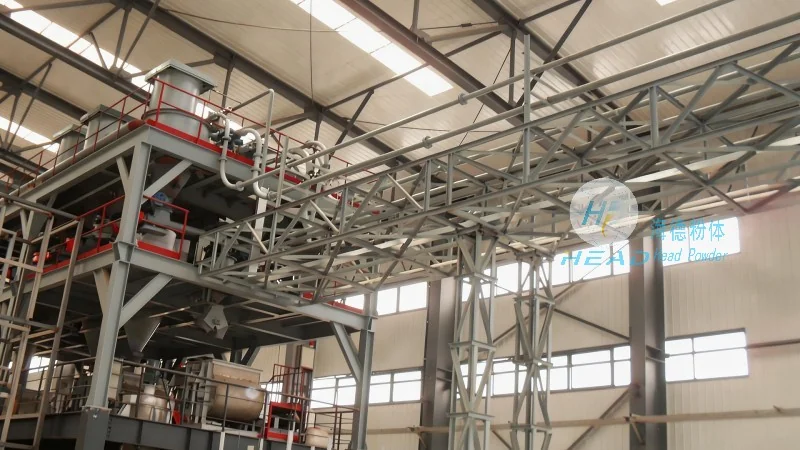
Several pneumatic conveying methods are widely used for yeast transport, each with distinct advantages. Dense phase conveying operates at lower air velocities and higher material concentrations, minimizing particle degradation and wear on components. This method is ideal for sensitive yeast products and longer transport distances. Dilute phase conveying uses higher air velocities and lower material concentrations, offering a cost-effective solution for shorter distances or lower capacity needs. Hybrid systems combine elements of both, providing flexibility to adapt to varying operational conditions and yeast types.
Shandong HeadPowder Engineering Co., Ltd., a leading engineering firm in the powder and bulk material industry, specializes in designing and implementing customized pneumatic conveying systems for yeast producers. With extensive experience, HeadPowder’s team tailors solutions to meet specific operational requirements, ensuring optimal performance and compliance with industry standards. The company’s focus on hygienic design, efficient material transport, and long-term reliability sets it apart in the market.
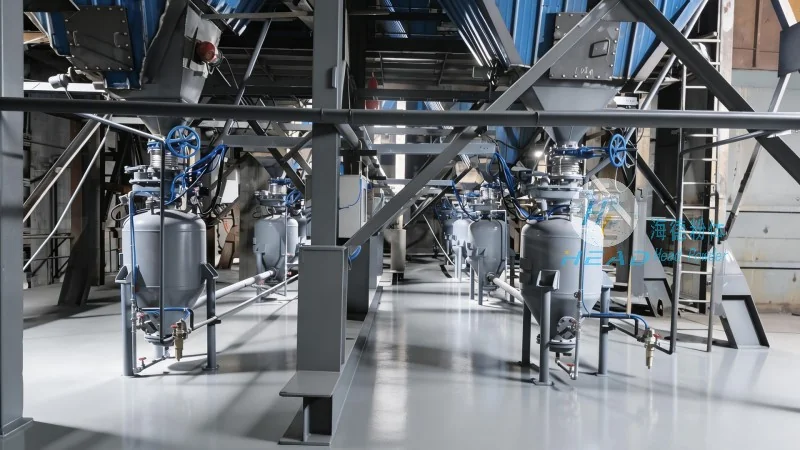
HeadPowder offers a range of customized pneumatic conveying solutions to address the unique needs of yeast manufacturers. These solutions accommodate different yeast types, such as active dry yeast, instant yeast, and yeast extracts, each with varying physical properties. The company provides both pressure and vacuum systems, as well as hybrid configurations, enabling flexibility in operational scenarios. For instance, a pressure system may handle short-distance transport within a facility, while a vacuum system supports longer-distance transport between production and storage areas. Integrated systems that combine conveying with blending, packaging, or quality control further enhance operational efficiency.
Hygiene is a critical consideration in yeast handling, as contamination risks are unacceptable in food applications. HeadPowder’s systems are engineered with hygienic principles, featuring easy-to-clean components, smooth surfaces, and minimal dead zones. High-quality materials like stainless steel and food-grade plastics are used to prevent contamination. Filters and separators are integrated to remove dust and particles, maintaining product purity. The company ensures compliance with FDA and GMP regulations, providing solutions that meet strict industry standards.
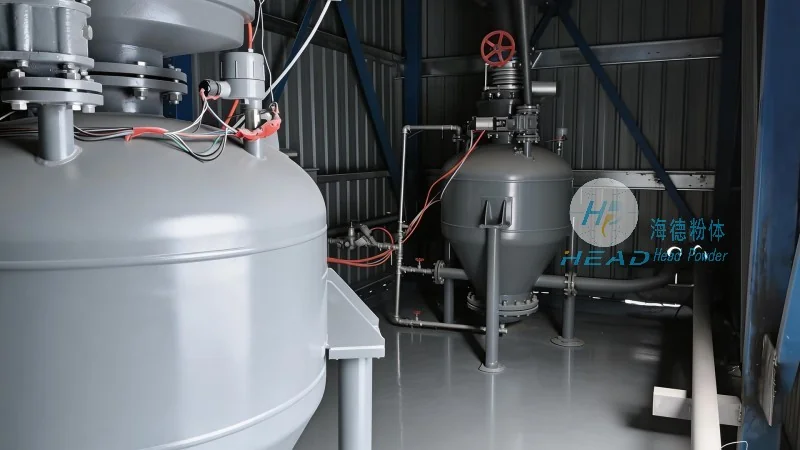
Adopting pneumatic conveying systems for yeast offers significant benefits to manufacturers. Enhanced operational efficiency is achieved through high-volume transport with minimal labor and downtime. The hygienic design reduces contamination risk, ensuring product safety and quality. Flexibility allows seamless integration with existing production lines and future expansion. Cost savings are realized over time due to lower maintenance and longer equipment service life. Additionally, precise control over flow rates and pressure enables manufacturers to optimize performance and product quality.
Selecting the appropriate pneumatic conveying system for yeast is a strategic decision impacting productivity, product quality, and operational costs. By evaluating material properties, system capacity, and hygiene requirements, manufacturers can choose a solution tailored to their needs. HeadPowder Engineering, with its expertise and customized solutions, serves as a trusted partner for yeast producers. The company’s focus on quality, hygiene, and customer satisfaction helps manufacturers optimize yeast handling processes and achieve business objectives.

 Shandong Headpowder Engineering Co., Ltd.
 156-6277-7102(Manager Zhang)
  0531-83386006
  Zhangqiu District, Jinan City, Shandong Province, China
telephone
WeChatconsult
top