With more than 10‑year industry experience, Shandong Headpowder delivers full‑service pneumatic‑conveying systems and blowers, undertaking nationwide turn‑key powder‑handling projects.
When handling crystalline materials, choosing the right pneumatic conveying system is crucial for efficiency, material integrity, and operational safety. Two primary types of pneumatic conveying systems are widely used: positive pressure and negative pressure. Understanding the differences between these systems is essential for selecting the most suitable option for specific applications. This article, provided by Shandong HeadPowder Engineering Co., Ltd. (headpowder), will explore the characteristics, advantages, and disadvantages of both positive and negative pressure pneumatic conveying, providing insights into how to distinguish between them based on material properties and process requirements.
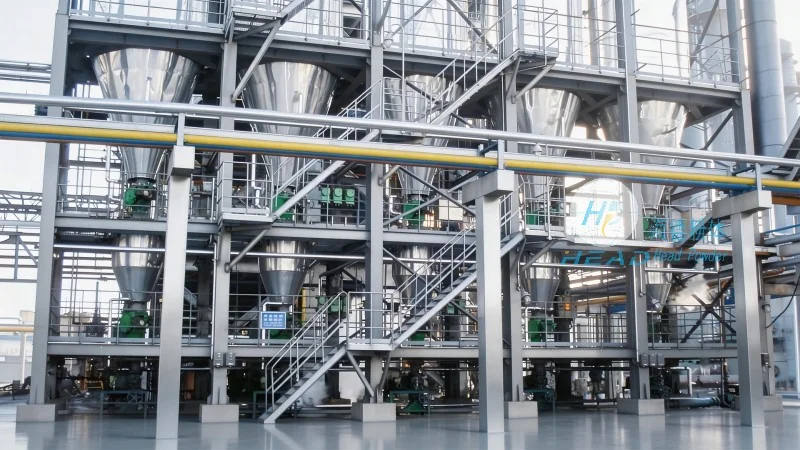
Positive pressure pneumatic conveying systems operate by blowing air or gas into the conveying line, creating a pressure higher than the ambient air pressure. The material is fed into the system, and the pressurized air propels the material through the pipeline. This method is particularly effective for conveying materials that are sensitive to moisture or contamination, as the system is sealed and prevents external air from entering.
One of the key advantages of positive pressure systems is their ability to handle materials with high moisture content or those that are hygroscopic. The sealed system prevents moisture from the ambient air from entering the conveying line, which is critical for maintaining the quality of crystalline materials. Additionally, positive pressure systems can handle materials that are abrasive or have high density, as the pressurized air provides sufficient force to move the material through the pipeline without causing excessive wear. Another advantage is the ability to convey materials over long distances, as the pressurized air maintains the material's velocity throughout the system.
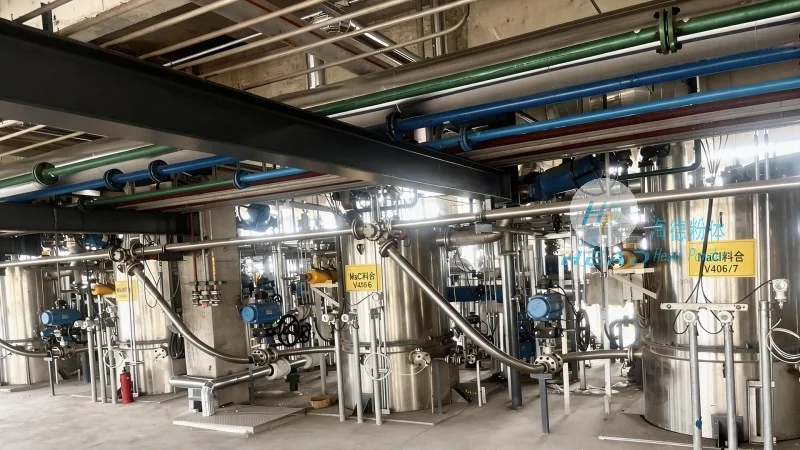
However, positive pressure systems have some drawbacks. They require more energy to operate compared to negative pressure systems, as the air is compressed to a higher pressure. This can increase operational costs, especially for large-scale applications. Additionally, positive pressure systems may be more complex to install and maintain, as they require robust seals and pressure vessels to prevent air leakage. Another disadvantage is the potential for material buildup in the system, which can lead to blockages and require regular cleaning.
Negative pressure pneumatic conveying systems operate by creating a vacuum in the conveying line, which draws the material into the system. The material is then transported through the pipeline by the suction force. This method is often used for conveying materials that are light and dusty, as the vacuum can effectively capture and transport the material without the need for high pressure.
One of the main advantages of negative pressure systems is their lower energy consumption compared to positive pressure systems. The vacuum is created by a fan or blower, which operates at a lower pressure, reducing the overall energy requirements. Additionally, negative pressure systems are simpler to install and maintain, as they do not require high-pressure vessels or complex seals. Another advantage is the ability to handle materials that are fine and powdery, as the vacuum can effectively capture the material without causing it to become airborne and cause dust issues.
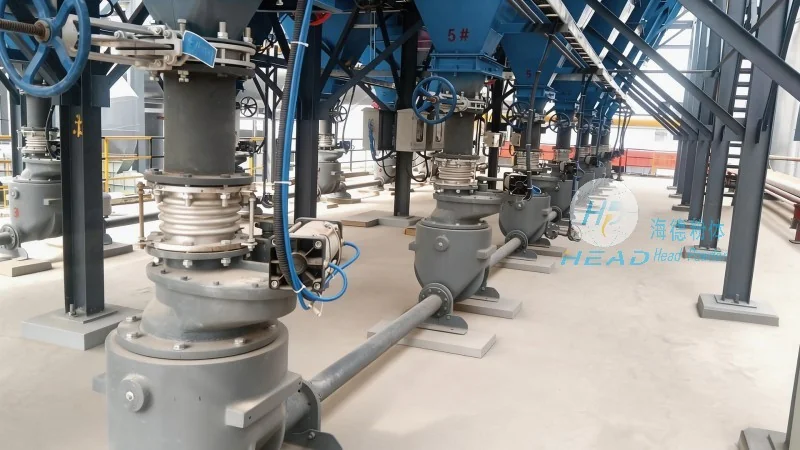
However, negative pressure systems have limitations that must be considered. They are not suitable for conveying materials with high moisture content or those that are hygroscopic, as the vacuum can draw in moisture from the ambient air, affecting the material's quality. Additionally, negative pressure systems are limited in the distance they can convey materials, as the suction force decreases over longer distances, which may require additional fans or blowers to maintain the material's velocity. Another disadvantage is the potential for material loss or contamination, as the system is open to the ambient air, which can introduce dust or other particles into the conveying line.
When deciding between positive and negative pressure pneumatic conveying for crystalline materials, several factors must be considered. First, the material's properties, such as moisture content, density, and abrasiveness, play a critical role. Materials with high moisture content or those that are hygroscopic are better suited for positive pressure systems, as they prevent moisture from entering the system. Conversely, materials that are light and powdery are more suitable for negative pressure systems, as the vacuum can effectively capture the material without causing it to become airborne.

 Shandong Headpowder Engineering Co., Ltd.
 156-6277-7102(Manager Zhang)
  0531-83386006
  Zhangqiu District, Jinan City, Shandong Province, China
telephone
WeChatconsult
top