With more than 10‑year industry experience, Shandong Headpowder delivers full‑service pneumatic‑conveying systems and blowers, undertaking nationwide turn‑key powder‑handling projects.
Ammonium nitrate (AN) is a critical industrial chemical widely used in agriculture, explosives, and other applications. The efficient and safe transport of this material is essential for supply chain reliability. This article provides a detailed comparison of common transport methods for ammonium nitrate, examining their advantages, disadvantages, and suitability for different scenarios. The analysis is presented by Shandong HeadPowder Engineering Co., Ltd., a leading provider of chemical handling solutions based in Shandong, China.
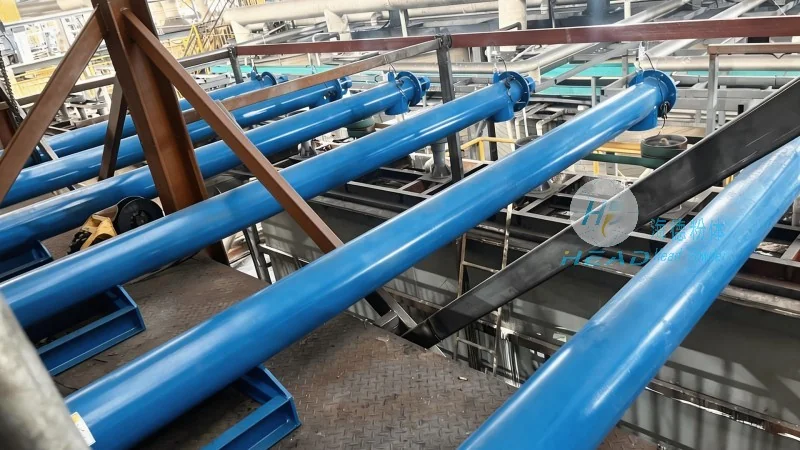
Several methods are commonly employed to transport ammonium nitrate, each with distinct characteristics that influence their application. The choice of transport method depends on factors such as distance, volume, cost, and regulatory requirements. This section outlines the primary options and sets the stage for a deeper analysis of their pros and cons.
Pipeline transport is a closed-system method that involves pumping ammonium nitrate through dedicated pipelines. This approach offers several advantages, including high efficiency, minimal product loss, and reduced exposure to external hazards. For large-scale, long-distance transport, pipelines are often the most economical option. However, the initial investment for pipeline construction and maintenance can be substantial. Additionally, pipeline systems require regular inspection and maintenance to prevent leaks or corrosion, which can be costly and disruptive. The method is also less flexible for changes in demand or route adjustments compared to other options.
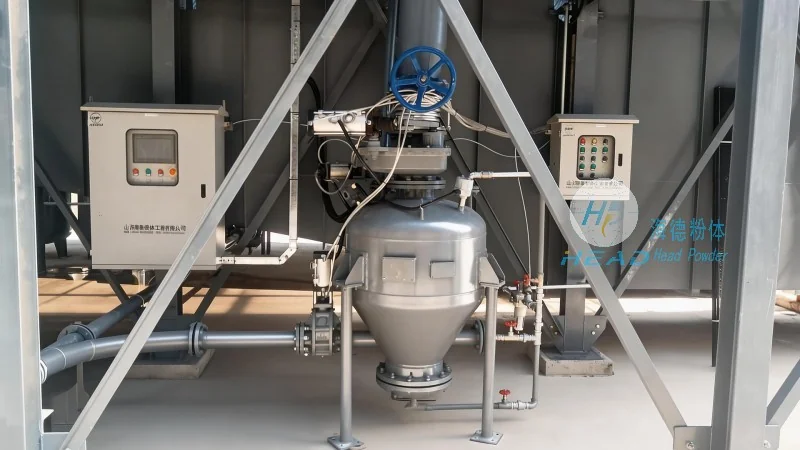
Truck transportation is a flexible and widely used method for moving ammonium nitrate, especially for shorter distances or when direct delivery to a specific location is required. Trucks offer the advantage of door-to-door service, allowing for direct delivery to storage facilities or processing plants. This flexibility is crucial for meeting tight delivery schedules or responding to changing customer needs. However, truck transport has limitations, including higher fuel costs, potential for traffic delays, and increased exposure to road hazards. The method is also less efficient for very large volumes, as it requires multiple trucks to transport significant quantities. Furthermore, regulatory compliance for transporting hazardous materials adds complexity and cost to truck operations.
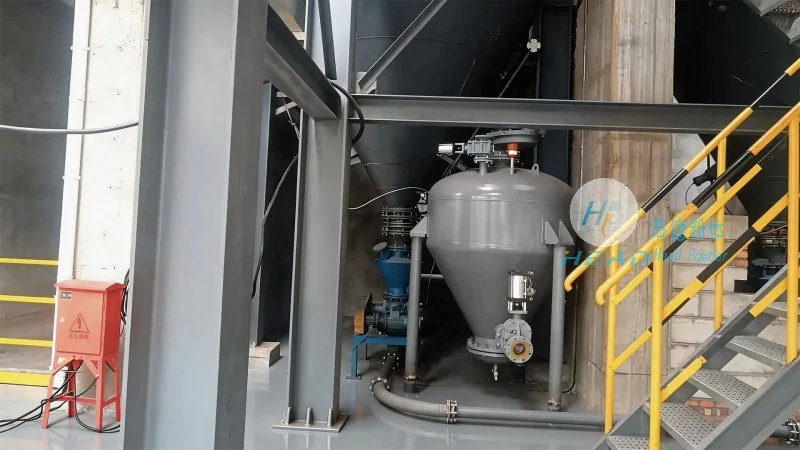
Railway transport is suitable for bulk, long-distance movement of ammonium nitrate, particularly when large volumes need to be moved over extended distances. Railways offer high capacity, allowing for the transport of substantial quantities in a single trip. This method is often more cost-effective for long distances compared to truck or pipeline transport, as it reduces fuel consumption and labor costs per unit. However, railway transport has its drawbacks, including limited access to certain locations (as rail networks may not reach all destinations) and longer transit times compared to trucks. The method also requires specialized railcars and infrastructure, which can be a barrier for smaller operations. Additionally, the scheduling of railcars may be less flexible than truck transport, potentially leading to delays if coordination is not managed effectively.
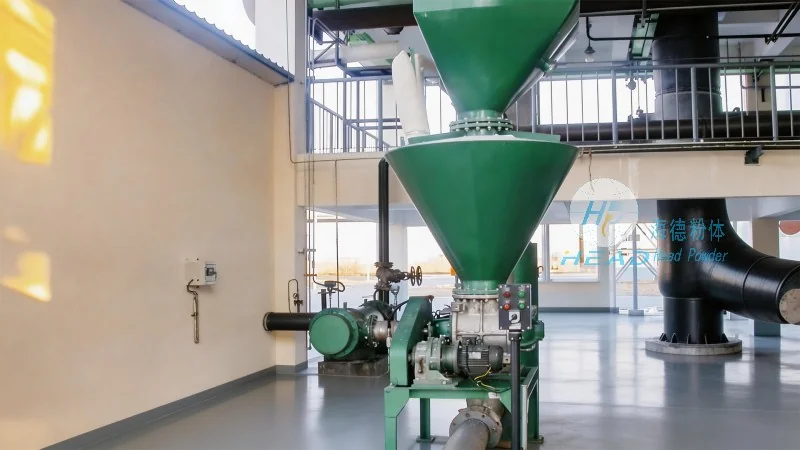
Shandong HeadPowder Engineering Co., Ltd. specializes in the design, manufacturing, and implementation of chemical handling systems, including transport solutions for ammonium nitrate. With a focus on safety, efficiency, and compliance, HeadPowder provides tailored solutions to meet the unique needs of industrial clients. The company’s expertise in chemical engineering and material handling ensures that transport methods are optimized for both performance and regulatory adherence. Based in Shandong, China, HeadPowder leverages local resources and industry knowledge to deliver high-quality services and products to clients worldwide.
Selecting the optimal transport method for ammonium nitrate requires a careful evaluation of operational needs, cost considerations, and safety requirements. Pipeline transport excels in long-distance, high-volume scenarios but demands significant upfront investment. Truck transport offers flexibility and direct delivery but is less efficient for large volumes. Railway transport balances capacity and cost for bulk transport but may lack flexibility and accessibility. Ultimately, the choice depends on the specific application, with each method offering distinct advantages and challenges. By understanding these factors, industrial operators can make informed decisions to ensure reliable and safe ammonium nitrate transport, supported by solutions from companies like Shandong HeadPowder Engineering Co., Ltd.

 Shandong Headpowder Engineering Co., Ltd.
 156-6277-7102(Manager Zhang)
  0531-83386006
  Zhangqiu District, Jinan City, Shandong Province, China
telephone
WeChatconsult
top