With more than 10‑year industry experience, Shandong Headpowder delivers full‑service pneumatic‑conveying systems and blowers, undertaking nationwide turn‑key powder‑handling projects.
HeadPowder, a leading engineering company based in Shandong, China, specializes in the design and implementation of advanced pneumatic conveying systems for handling bulk materials like sand particles. This technical analysis focuses on the fundamental differences between positive pressure and negative pressure conveying modes, providing a comprehensive comparison to help industry professionals make informed decisions.
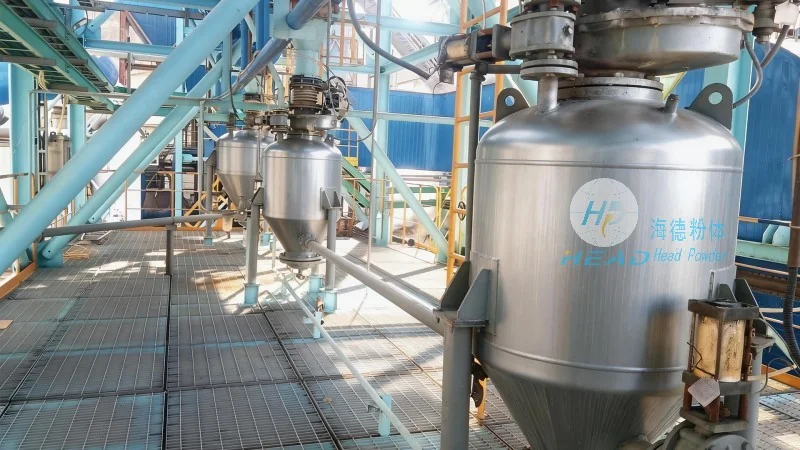
Pneumatic conveying is a method of transporting bulk materials through a pipeline using air or gas as the conveying medium. The primary goal is to move materials efficiently from a source to a destination without the need for mechanical components like belts or buckets. For sand particles, which are typically fine and abrasive, the choice of conveying mode significantly impacts system performance, cost, and operational reliability.
Positive pressure conveying operates by blowing air or gas into the conveying line, creating a pressure higher than the ambient atmosphere. This method is often preferred for long-distance or high-capacity applications, as it can handle larger particle sizes and higher material loads. The system typically includes a blower or compressor at the inlet, which generates the necessary pressure to move the material. A key advantage of positive pressure systems is their ability to handle abrasive materials like sand without excessive wear on components, as the high-pressure air helps to protect the pipeline and equipment.
In terms of system design, positive pressure systems usually feature a closed loop with a receiver at the discharge end. The air is filtered and recycled, reducing energy consumption and environmental impact. However, they may require more maintenance due to the higher pressures involved, and the initial capital cost can be higher compared to negative pressure systems.
Negative pressure conveying, also known as vacuum conveying, works by creating a vacuum in the conveying line, drawing material from the source into the system. This mode is commonly used for short-distance or low-capacity applications, particularly when the material is light or requires gentle handling. The system includes a vacuum pump at the discharge end, which pulls the material through the pipeline.
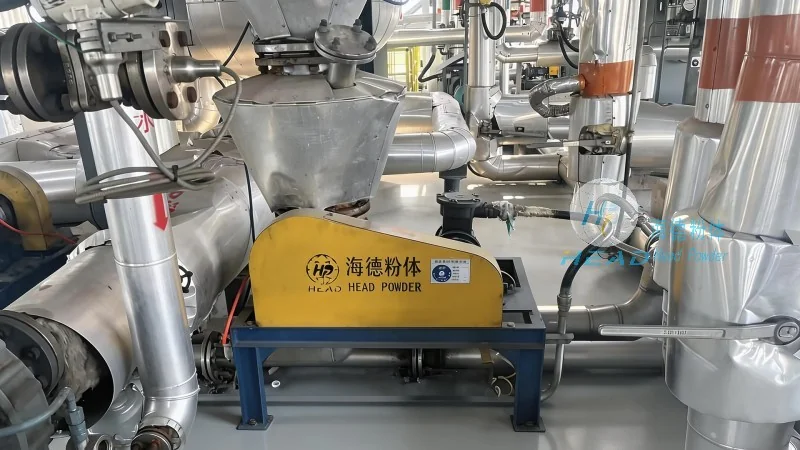
A major advantage of negative pressure systems is their lower initial cost and reduced maintenance requirements, as they operate at lower pressures. They are also more suitable for applications where the material is sensitive to high air velocities or where the source is located at a higher elevation than the destination. However, negative pressure systems may have limitations in handling abrasive materials like sand, as the vacuum can cause increased wear on the pipeline and equipment over time.
When comparing positive and negative pressure conveying for sand particles, several performance metrics are critical to consider. These include conveying capacity, pressure drop, energy consumption, and material handling efficiency.
Conveying capacity refers to the amount of material that can be transported per unit time. Positive pressure systems generally offer higher capacities, making them ideal for large-scale sand handling operations. In contrast, negative pressure systems have lower capacities, which may limit their use in high-volume applications.
Pressure drop is another important factor. Positive pressure systems experience higher pressure drops due to the high air velocities required to move the material, which can increase energy consumption. Negative pressure systems have lower pressure drops, resulting in lower energy costs. However, the vacuum created in negative pressure systems can lead to higher energy consumption for the vacuum pump. Overall, the energy efficiency of each system depends on the specific application and operational parameters.
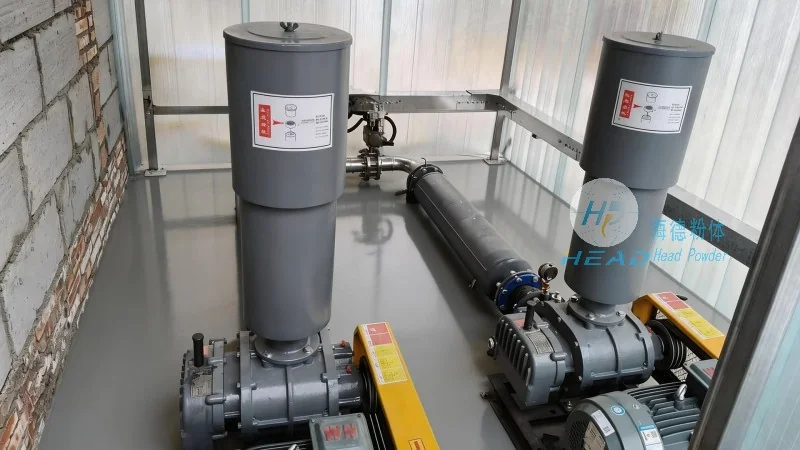
Material handling efficiency is also influenced by the conveying mode. Positive pressure systems can handle abrasive materials like sand more effectively, as the high-pressure air helps to protect the pipeline and equipment from wear. Negative pressure systems may cause more wear on the pipeline and equipment due to the abrasive nature of sand particles, potentially reducing the system's lifespan.
The choice between positive and negative pressure conveying for sand particles depends on several factors, including the distance between the source and destination, the material's characteristics, and the required capacity. For long-distance or high-capacity sand transport, positive pressure systems are often the preferred choice due to their higher capacity and ability to handle abrasive materials. For short-distance or low-capacity applications, negative pressure systems may be more suitable, especially if the material is light or requires gentle handling.
Environmental considerations also play a role in the selection of a conveying mode. Positive pressure systems can be designed with air filtration and recycling systems to minimize environmental impact. Negative pressure systems, while generally more environmentally friendly in terms of energy consumption, may require additional measures to prevent dust emissions from the source.
Both positive pressure and negative pressure conveying modes have their advantages and limitations when used for sand particle transport. Positive pressure systems are better suited for high-capacity, long-distance applications and abrasive materials, while negative pressure systems are more appropriate for low-capacity, short-distance applications and sensitive materials. By understanding the fundamental differences between these modes and considering the specific requirements of the application, industry professionals can select the most efficient and cost-effective pneumatic conveying system for their needs.

 Shandong Headpowder Engineering Co., Ltd.
 156-6277-7102(Manager Zhang)
  0531-83386006
  Zhangqiu District, Jinan City, Shandong Province, China
telephone
WeChatconsult
top