With more than 10‑year industry experience, Shandong Headpowder delivers full‑service pneumatic‑conveying systems and blowers, undertaking nationwide turn‑key powder‑handling projects.
Fertilizer pneumatic conveying systems are critical components in modern agricultural and industrial operations, designed to efficiently transport bulk solid materials such as fertilizers over long distances with minimal human intervention. These systems leverage air pressure or vacuum to move materials through pipelines, offering a reliable and flexible solution for handling various types of fertilizers, including granular, powdered, and liquid-based formulations. The technology has evolved significantly over the years, integrating advanced engineering principles to enhance efficiency, reduce operational costs, and improve safety in material handling processes.
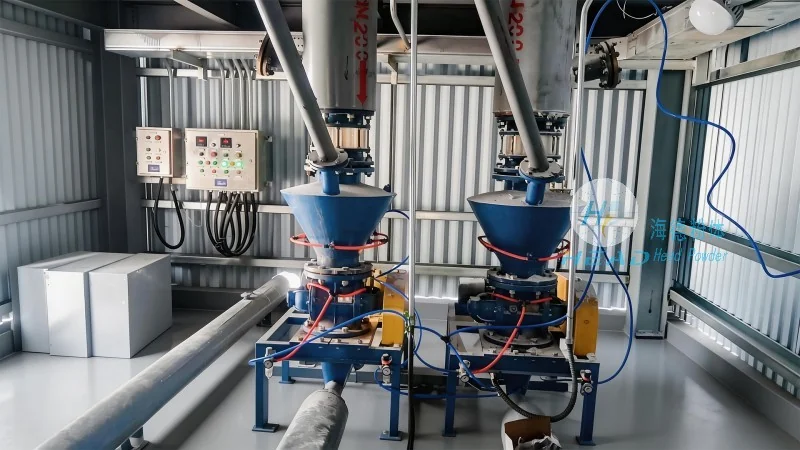
At the core of any fertilizer pneumatic conveying system are several essential components that work in tandem to ensure smooth material transport. The primary components include a material feeder, which accurately meters and introduces the fertilizer into the system; a conveying line, typically made of durable materials like stainless steel or special alloys to withstand chemical exposure and mechanical stress; a blower or vacuum pump that generates the necessary air pressure or vacuum to move the material; and a control system that monitors and regulates the flow rate, pressure, and other operational parameters. Additionally, systems may incorporate accessories like filters, cyclones, and silos to manage dust, separate materials, and store the conveyed fertilizer.
The operation of a fertilizer pneumatic conveying system involves a series of steps that ensure efficient material movement. The process typically begins with the material feeder, which loads the fertilizer into the conveying line. The blower then generates a high-velocity air stream, which entrains the fertilizer particles and propels them through the pipeline. As the material travels, it may encounter various components such as bends, valves, or expansion joints, which are designed to maintain consistent flow and prevent material degradation or blockages. The system may use either positive pressure (where air is forced into the line) or negative pressure (where air is drawn out), depending on the specific application requirements. The final stage involves the material being discharged into a storage silo or processing unit, where it is collected and prepared for further use.
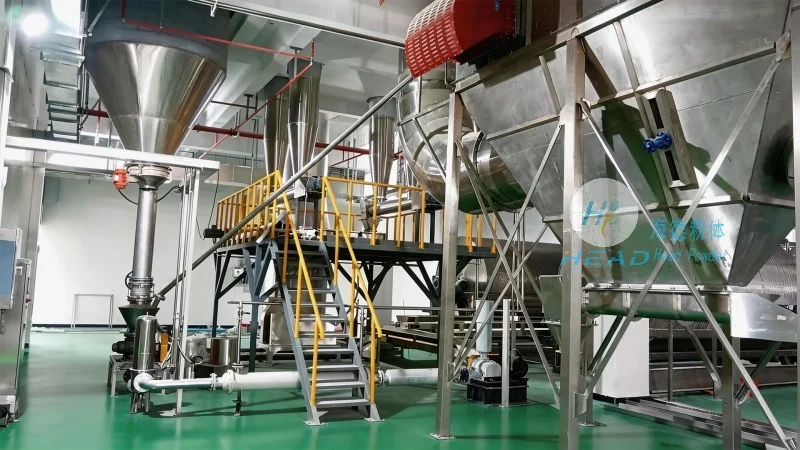
Compared to traditional methods like belt conveyors or manual handling, fertilizer pneumatic conveying systems offer several key advantages that make them ideal for large-scale operations. One of the most significant benefits is the ability to transport materials over long distances with minimal energy consumption, as the air pressure required is relatively low compared to other mechanical systems. Additionally, these systems are highly flexible, allowing for easy reconfiguration or expansion to accommodate changing production needs. They also provide excellent dust control, as the material is contained within the pipeline, reducing environmental impact and improving workplace safety. Furthermore, pneumatic conveying systems can handle a wide range of fertilizer types, including those with varying particle sizes and moisture content, without causing degradation or segregation. This versatility makes them suitable for both bulk fertilizer manufacturers and agricultural distributors.
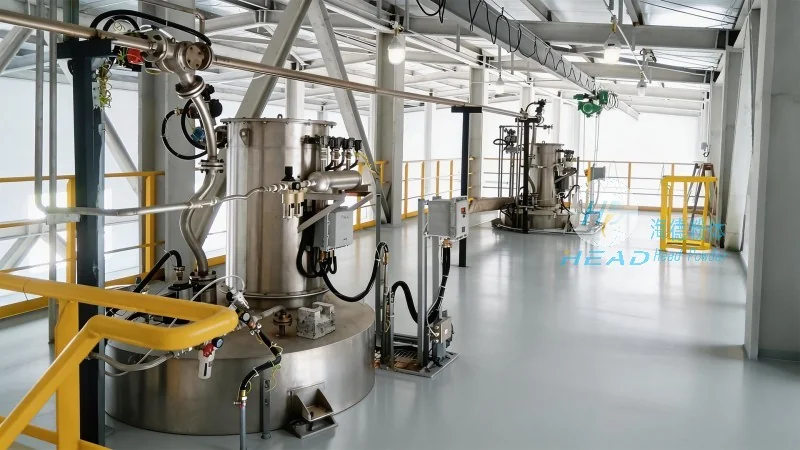
Fertilizer pneumatic conveying systems are widely used across various stages of the fertilizer production and distribution chain. In manufacturing facilities, they are employed to transport raw materials from storage silos to processing units, as well as to move finished products from production lines to packaging areas. During the packaging process, these systems can efficiently transfer fertilizers into bags or containers, ensuring consistent and accurate filling. In agricultural settings, they are used to transport bulk fertilizers from storage depots to farms or distribution centers, facilitating the delivery of nutrients to crops. The systems are also utilized in industrial applications, such as the handling of specialty fertilizers or organic matter, where precise control over material flow is critical.
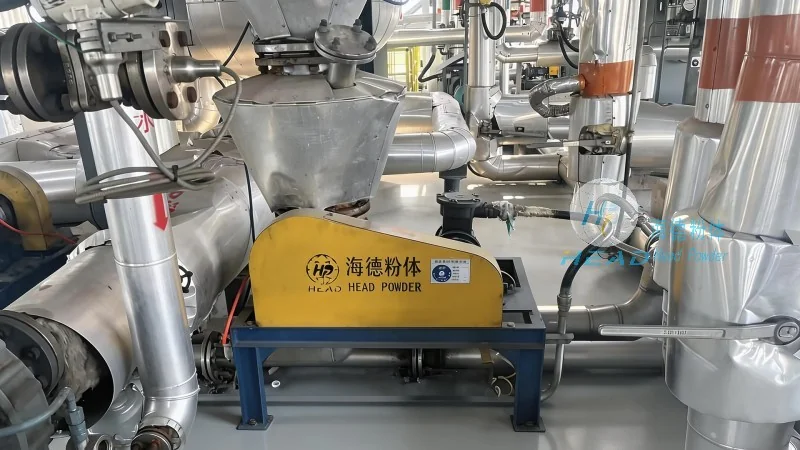
When choosing a fertilizer pneumatic conveying system, several factors must be considered to ensure optimal performance and cost-effectiveness. The first consideration is the type of fertilizer being handled, as different materials have varying characteristics that affect system design. For example, granular fertilizers may require different pipeline diameters and air velocities compared to powdered fertilizers. The distance and elevation changes between the loading and unloading points are also crucial, as they determine the required air pressure and blower capacity. Additionally, the system's capacity and flow rate must match the production or handling requirements to avoid bottlenecks or inefficiencies. Other factors include the need for dust control, environmental regulations, and the availability of space for installation. It is essential to work with experienced manufacturers who can provide customized solutions tailored to specific operational needs.
Proper maintenance is critical to ensure the long-term reliability and efficiency of fertilizer pneumatic conveying systems. Regular inspection and cleaning of the conveying line, blower, and other components are essential to prevent clogging and maintain optimal performance. Filters should be checked and replaced regularly to prevent dust accumulation, which can reduce airflow and increase energy consumption. The blower and motor should be inspected for wear and tear, and lubricated as per manufacturer recommendations to avoid breakdowns. Additionally, monitoring the system's pressure and flow rates can help identify potential issues early, allowing for timely maintenance. Proper training of operators on system operation and safety procedures is also vital to prevent accidents and ensure smooth operation. By following these maintenance and operational tips, users can maximize the lifespan and performance of their fertilizer pneumatic conveying systems.

 Shandong Headpowder Engineering Co., Ltd.
 156-6277-7102(Manager Zhang)
  0531-83386006
  Zhangqiu District, Jinan City, Shandong Province, China
telephone
WeChatconsult
top