With more than 10‑year industry experience, Shandong Headpowder delivers full‑service pneumatic‑conveying systems and blowers, undertaking nationwide turn‑key powder‑handling projects.
When it comes to managing calcined ash in industrial processes, selecting the appropriate pneumatic conveying system is crucial for efficiency, safety, and operational reliability. The choice of system directly impacts how effectively calcined ash is transported from one point to another, ensuring smooth workflow and minimizing downtime. This guide will walk you through key considerations to help you make an informed decision when selecting a pneumatic conveying system for your calcined ash handling needs.
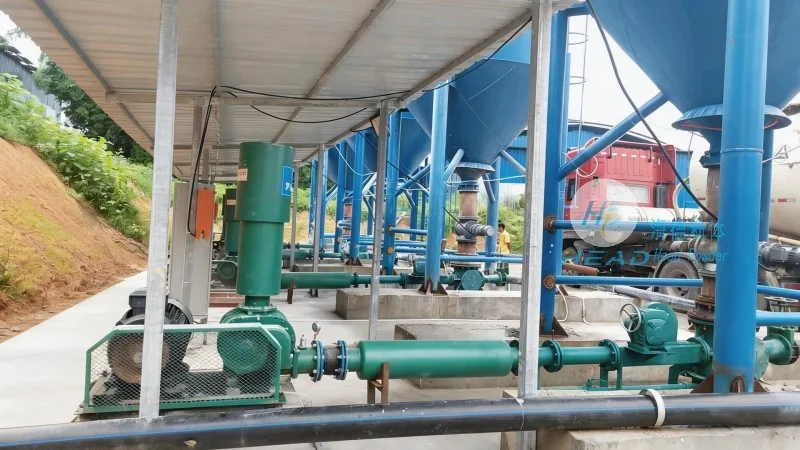
Calcined ash, a byproduct of industrial processes such as cement production or metal smelting, requires specialized handling due to its properties. It often has a fine, powdery texture and can be abrasive or corrosive, making traditional bulk handling methods less suitable. Pneumatic conveying systems offer a solution by using air to transport the material, reducing the risk of dust contamination and providing a more controlled environment. This method is particularly beneficial for applications where material purity and process safety are paramount.
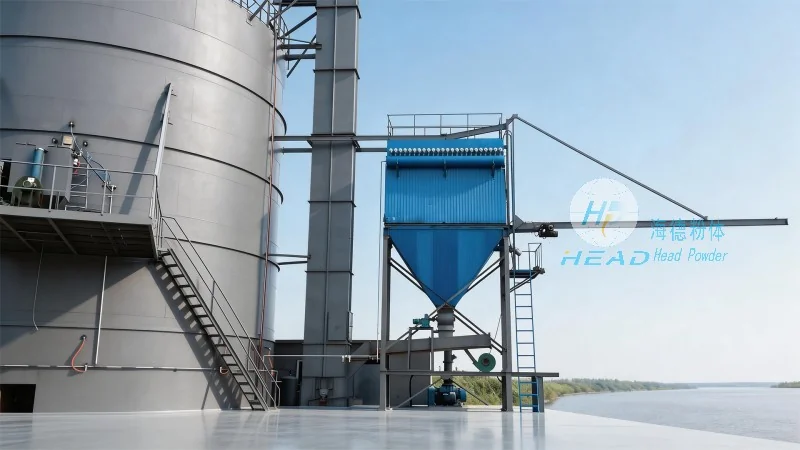
Several critical factors must be evaluated when selecting a pneumatic conveying system for calcined ash. First, the material's characteristics—including its density, particle size, and flowability—are essential. These properties determine the type of system (e.g., pressure or vacuum) and the required air velocity to ensure proper transport. Second, the distance and layout of the conveying line are important. Longer distances may require higher pressure systems or multiple stages to maintain material flow. Third, the system's capacity and throughput needs must align with production requirements. Over or under-sizing can lead to inefficiencies or system failure. Finally, operational costs, including energy consumption and maintenance, should be considered to ensure long-term economic viability.
There are primarily two types of pneumatic conveying systems: pressure and vacuum. Pressure systems use compressed air to push the material through the pipeline, while vacuum systems use a vacuum to pull the material. For calcined ash, pressure systems are often preferred due to their ability to handle abrasive materials and maintain higher flow rates. However, vacuum systems may be suitable for shorter distances or when the material is less abrasive. Other considerations include the use of positive displacement blowers for high-pressure applications or rotary lobe pumps for handling larger particles. The choice of system depends on the specific process requirements and the characteristics of the calcined ash being handled.
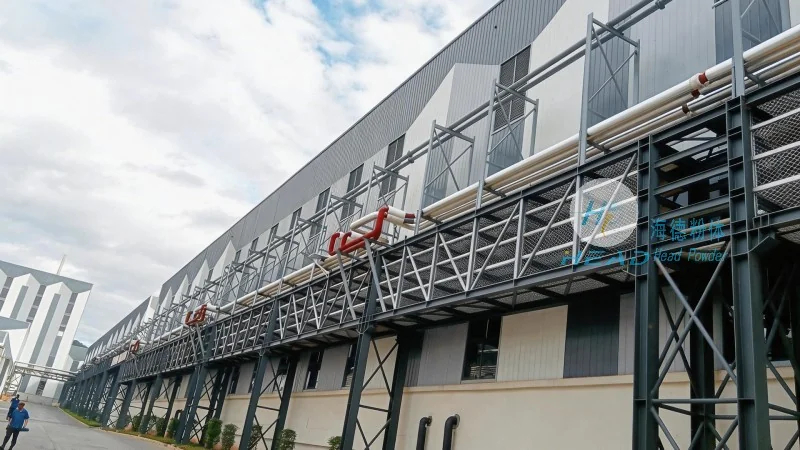
At Shandong HeadPowder Engineering Co., Ltd., we specialize in providing tailored pneumatic conveying solutions for calcined ash and other industrial powders. With years of experience in the field, our team of engineers and technicians understands the unique challenges of handling calcined ash and designs systems that meet the highest standards of efficiency and reliability. Our approach involves a thorough analysis of your process requirements, material properties, and operational constraints to develop a customized solution. We offer a range of equipment, including high-pressure blowers, flexible hoses, and dust collection systems, all designed to ensure optimal performance and longevity. Our commitment to quality and customer satisfaction has made us a trusted partner for industries worldwide, helping them streamline their calcined ash handling processes and improve overall productivity.

 Shandong Headpowder Engineering Co., Ltd.
 156-6277-7102(Manager Zhang)
  0531-83386006
  Zhangqiu District, Jinan City, Shandong Province, China
telephone
WeChatconsult
top