With more than 10‑year industry experience, Shandong Headpowder delivers full‑service pneumatic‑conveying systems and blowers, undertaking nationwide turn‑key powder‑handling projects.
HeadPowder, a leading engineering firm based in Shandong, China, specializes in the design and optimization of pneumatic conveying systems tailored for sawdust particle transport. The company's expertise lies in leveraging advanced pneumatic conveying technology to enhance the efficiency, reliability, and environmental friendliness of material handling processes in sawdust processing operations.
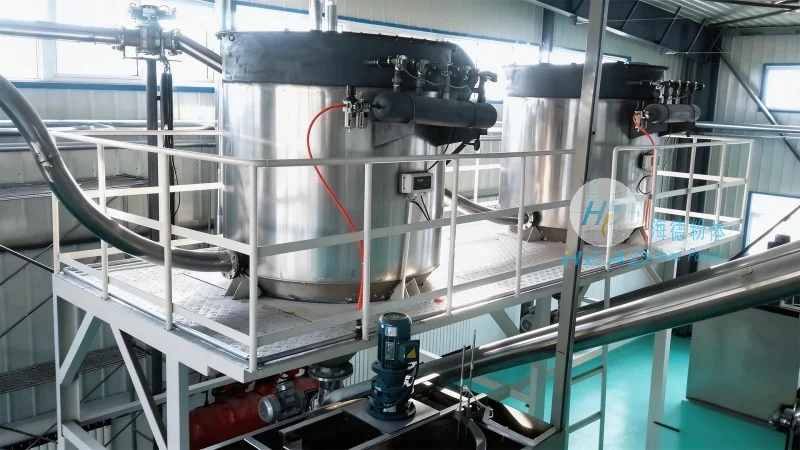
Pneumatic conveying is a critical method for transporting sawdust particles, which are often lightweight, abrasive, and prone to dust generation. Traditional methods like belt conveyors or bucket elevators may struggle with these characteristics, leading to inefficiencies and operational challenges. Pneumatic systems, on the other hand, use air pressure to move particles through a pipeline, offering a more controlled and effective solution. This technology is particularly advantageous for sawdust due to its ability to handle fine particles, minimize material degradation, and reduce dust emissions during transport.
When applied to sawdust particle transport, optimized pneumatic conveying systems provide several key benefits. First, they significantly improve material handling efficiency by reducing downtime and increasing throughput. The use of appropriate air velocities and pipeline designs ensures that sawdust moves smoothly without blockages or clogging, which are common issues with other conveying methods. Second, these systems enhance operational safety by eliminating the need for manual handling of sawdust, thus reducing the risk of respiratory issues and other health hazards associated with dust exposure. Third, pneumatic conveying is more environmentally friendly as it minimizes dust dispersion compared to open-air systems, contributing to better air quality in processing facilities. Additionally, the technology allows for better control over the material's temperature and moisture content, which is vital for maintaining the quality of sawdust used in various applications such as biomass energy production or wood products manufacturing.
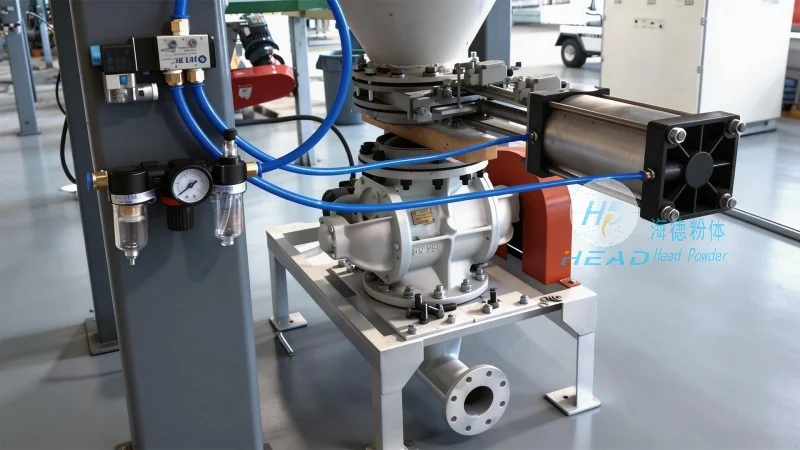
Shandong HeadPowder Engineering Co., Ltd. employs a comprehensive approach to designing pneumatic conveying systems for sawdust particles. The company's engineers conduct thorough analyses of the sawdust properties, including particle size distribution, moisture content, and bulk density, to select the most suitable conveying method and system configuration. This involves determining the optimal air velocity, pressure, and pipeline diameter to ensure efficient and reliable transport. HeadPowder also considers the specific operational requirements of the client, such as the distance of transport, the required throughput, and the existing infrastructure, to tailor the system design accordingly. The company utilizes advanced computational fluid dynamics (CFD) simulations and field testing to validate the system's performance before implementation, ensuring that the final solution meets or exceeds industry standards.
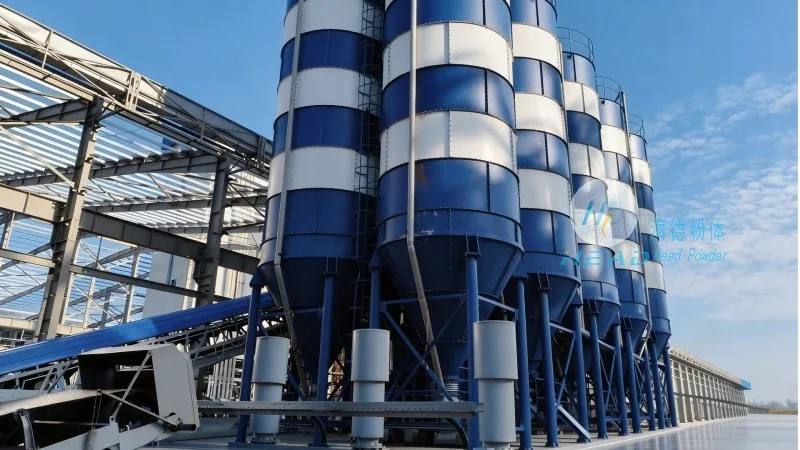
Optimizing pneumatic conveying systems for sawdust particles involves several techniques aimed at maximizing efficiency and minimizing operational costs. One key technique is the use of pulse-jet or rotary airlock feeders to control the flow of sawdust into the pipeline, preventing surges and ensuring a steady material feed. Another technique is the implementation of cyclone separators or filter systems to capture any dust that may escape during transport, improving air quality and protecting downstream equipment. HeadPowder also employs energy-efficient blowers and variable frequency drives (VFDs) to regulate air pressure and flow, reducing energy consumption and operational costs. Furthermore, the company may incorporate automated monitoring systems to track system performance in real-time, allowing for quick adjustments and maintenance to prevent system failures.
In conclusion, the application and optimization of pneumatic conveying technology in sawdust particle transport represent a significant advancement in material handling solutions. By leveraging the expertise of companies like Shandong HeadPowder Engineering Co., Ltd., sawdust processing facilities can achieve higher efficiency, improved safety, and reduced environmental impact. As the demand for sustainable biomass energy and wood products grows, the importance of efficient sawdust handling systems will continue to increase. HeadPowder remains committed to developing innovative solutions that meet the evolving needs of the industry, ensuring that pneumatic conveying remains a preferred choice for sawdust transport in the future.

 Shandong Headpowder Engineering Co., Ltd.
 156-6277-7102(Manager Zhang)
  0531-83386006
  Zhangqiu District, Jinan City, Shandong Province, China
telephone
WeChatconsult
top