With more than 10‑year industry experience, Shandong Headpowder delivers full‑service pneumatic‑conveying systems and blowers, undertaking nationwide turn‑key powder‑handling projects.
HeadPowder, a leading engineering firm based in Shandong, China, specializes in the design and implementation of advanced material handling solutions. Among their diverse projects, the application of pneumatic conveying technology for rice husk ash has demonstrated significant improvements in efficiency and operational reliability. This article explores the key aspects of utilizing such technology in the context of rice husk ash transportation, highlighting the engineering principles and practical optimizations that enhance system performance.
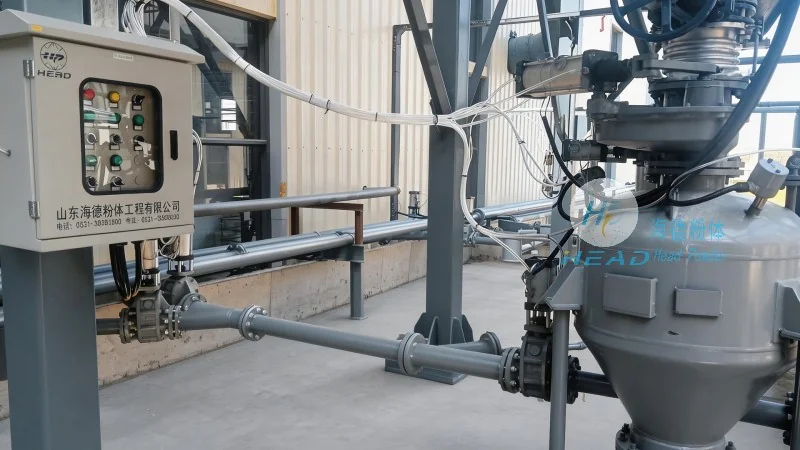
Pneumatic conveying systems utilize air or gas to transport bulk materials through a pipeline network. This method is particularly suitable for handling fine powders and granular materials like rice husk ash, which are often challenging to move using traditional mechanical methods. The core components of a pneumatic conveying system include a material feed hopper, a conveyor line, a control valve, and a dust collection system. By creating a pressure differential, the system propels the material from the source to the destination, ensuring a continuous and controlled flow.
Rice husk ash, a byproduct of rice processing, presents unique challenges for material handling due to its fine particle size and abrasive nature. Traditional methods such as belt conveyors or screw conveyors often suffer from material buildup, increased wear and tear, and reduced efficiency. Additionally, the dust generated during transport can pose health and safety risks, requiring robust dust control measures. These challenges necessitate the adoption of specialized conveying solutions that address the specific properties of rice husk ash.
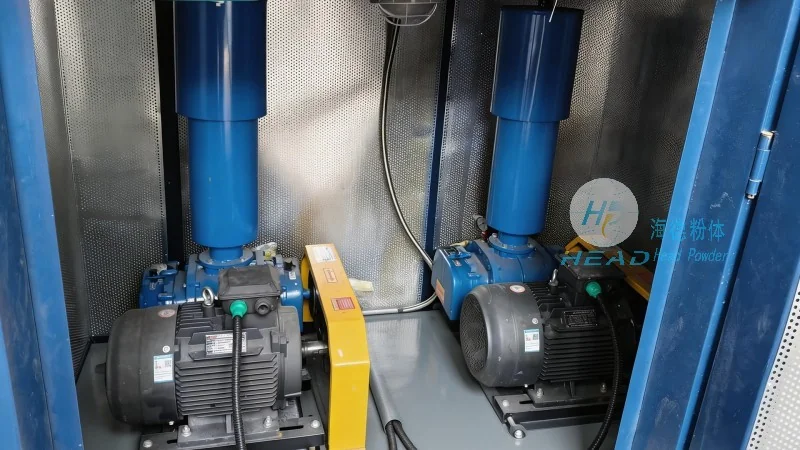
Shandong HeadPowder Engineering Co., Ltd. employs a systematic approach to optimize pneumatic conveying systems for rice husk ash applications. The process begins with a thorough analysis of the material characteristics, including particle size distribution, moisture content, and flowability. Based on this analysis, engineers select the appropriate conveying method—either pressure or vacuum systems—depending on the distance and elevation changes between the source and destination. For rice husk ash, a pressure system is often preferred due to its ability to handle longer distances and higher material loads efficiently.
Several critical design considerations are essential for maximizing the performance of pneumatic conveying systems in rice husk ash applications. First, the selection of the right air velocity is crucial to prevent material deposition and ensure consistent flow. Engineers at HeadPowder typically recommend air velocities ranging from 20 to 30 meters per second for rice husk ash, balancing the need for efficient transport with energy efficiency. Second, the design of the pipeline system, including the use of smooth, corrosion-resistant materials like stainless steel or polyethylene, minimizes friction and wear. The inclusion of expansion joints and flexible connectors also helps to accommodate thermal expansion and reduce stress on the system components.
Given the dust nature of rice husk ash, integrating effective dust control measures is a key part of the optimization process. HeadPowder's systems incorporate advanced filtration and collection technologies, such as cyclone separators and baghouse filters, to capture and remove airborne particles. These measures not only improve workplace safety but also ensure compliance with environmental regulations. The design of the dust collection system is tailored to the specific characteristics of rice husk ash, ensuring high efficiency in particulate removal while minimizing energy consumption.
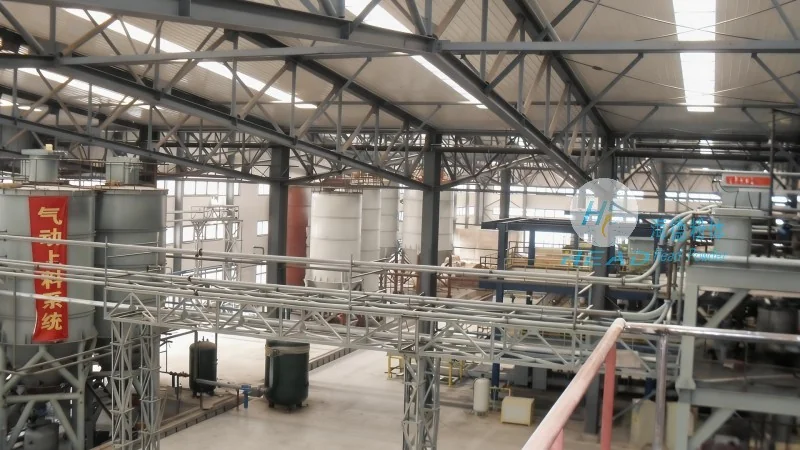
A recent project undertaken by HeadPowder involved the design and installation of a pneumatic conveying system for a rice husk ash processing plant in Shandong. The system was tasked with transporting ash from a storage silo to a calcination unit over a distance of 150 meters with a vertical lift of 20 meters. Prior to the implementation, the plant faced frequent blockages and reduced throughput due to traditional conveyor systems. HeadPowder's optimized pneumatic conveying solution, featuring a pressure system with adjustable air velocity and integrated dust collection, resolved these issues. The system achieved a throughput of 50 tons per hour, a 40% increase compared to the previous method, while reducing operational costs by 25% through energy-efficient design and minimal maintenance requirements.
The application of pneumatic conveying technology, optimized by engineering firms like Shandong HeadPowder Engineering Co., Ltd., represents a significant advancement in the efficient handling of rice husk ash. By addressing the unique challenges of this material, such systems enhance operational efficiency, reduce maintenance costs, and improve workplace safety. As the demand for sustainable material handling solutions grows, the role of advanced pneumatic conveying systems in rice husk ash processing will continue to expand. HeadPowder's expertise in designing and implementing these systems ensures that clients can achieve optimal performance and reliability in their material handling operations.

 Shandong Headpowder Engineering Co., Ltd.
 156-6277-7102(Manager Zhang)
  0531-83386006
  Zhangqiu District, Jinan City, Shandong Province, China
telephone
WeChatconsult
top