With more than 10‑year industry experience, Shandong Headpowder delivers full‑service pneumatic‑conveying systems and blowers, undertaking nationwide turn‑key powder‑handling projects.
When it comes to managing coagulant dry powder in industrial processes, selecting the appropriate pneumatic conveying system is a decision that impacts efficiency, safety, and operational longevity. The choice of system is not merely about moving material from point A to point B; it involves a comprehensive evaluation of process requirements, material characteristics, and system capabilities. For facilities in China, particularly those located in Shandong, where many leading engineering companies operate, understanding these factors is essential for optimizing their coagulant handling operations.

Several critical factors must be considered when evaluating pneumatic conveying systems for coagulant dry powders. First, the type of system—whether positive pressure, negative pressure, or a hybrid approach—must align with the specific application. Positive pressure systems, which push material through a sealed pipeline using a blower, are often preferred for applications requiring high pressure and reliable material transport over long distances. Negative pressure systems, on the other hand, draw material into a vacuum system, which can be suitable for short-distance or low-volume transfers but may pose challenges with dust containment and system maintenance. The material's properties, such as particle size, moisture content, and flowability, also play a significant role. Coagulants, being fine powders, often have low bulk density and can be prone to bridging or agglomeration, which may necessitate specialized equipment like rotary valves, feeders, or airlocks to ensure consistent and reliable feeding. Additionally, the system's capacity and scalability are important considerations. As production volumes fluctuate or expand, the chosen system should be able to accommodate changes without requiring significant modifications or replacements.
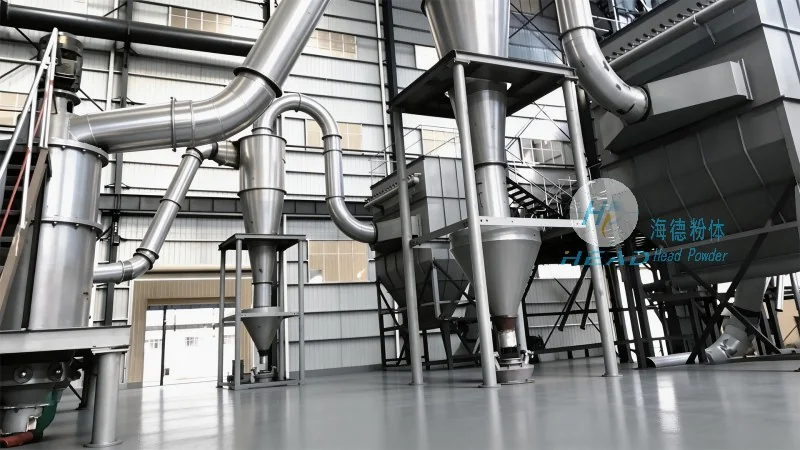
The performance of a pneumatic conveying system for coagulant dry powders is determined by several key components and metrics. The blower or vacuum pump is the heart of the system, providing the necessary air pressure or suction to move material. The choice of blower—whether centrifugal, regenerative, or positive displacement—depends on the system's pressure requirements and the material's characteristics. For example, centrifugal blowers are commonly used in positive pressure systems due to their ability to handle large volumes of air at moderate pressures, while regenerative blowers are often preferred for high-pressure applications. The pipeline design, including the diameter, length, and bends, directly impacts system efficiency and pressure drop. Properly sized pipelines minimize energy consumption and prevent excessive pressure loss, which can lead to material deposition or system failure. The use of filters and dust collectors is also critical, as coagulant powders can be fine and generate significant dust during transport. High-efficiency particulate air (HEPA) filters or baghouse systems are typically employed to ensure compliance with environmental regulations and maintain a safe working environment. Furthermore, the system's maintenance requirements and operational costs must be considered. A well-designed system should minimize downtime and reduce long-term operational expenses through features like easy access for maintenance, durable components, and energy-efficient operation.
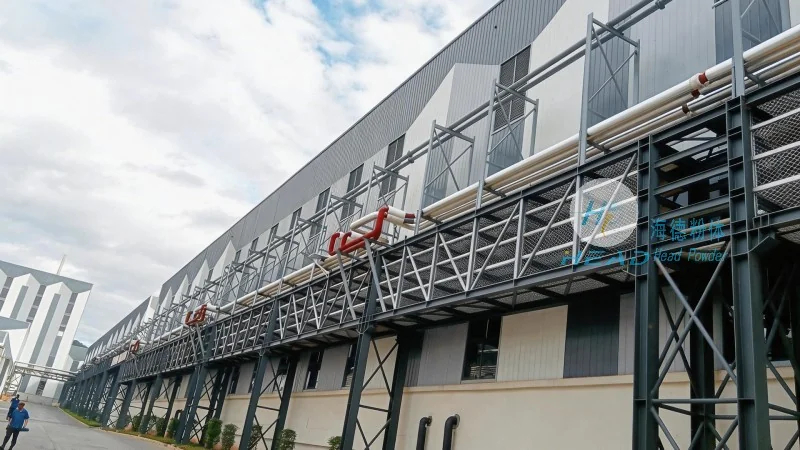
Shandong HeadPowder Engineering Co., Ltd., a leading engineering company based in Shandong, China, specializes in providing tailored pneumatic conveying solutions for coagulant dry powder handling. With years of experience in the industry, the company understands the unique challenges associated with transporting fine powders like coagulants. Their expertise lies in designing systems that address the specific needs of each client, whether it's a new installation or an upgrade to an existing process. HeadPowder engineers work closely with clients to assess their operational requirements, material properties, and site constraints to develop a customized solution. For instance, a client in the water treatment industry might require a system that can handle high volumes of coagulant powder over long distances while maintaining strict dust control standards. HeadPowder's engineers would evaluate the client's production capacity, pipeline layout, and environmental regulations to recommend the most suitable system, such as a positive pressure system with a rotary valve feeder and a HEPA filter system. The company's commitment to quality and customer satisfaction is evident in their use of high-quality components and rigorous testing procedures. By partnering with HeadPowder, facilities can ensure that their coagulant dry powder handling operations are efficient, reliable, and compliant with industry standards.
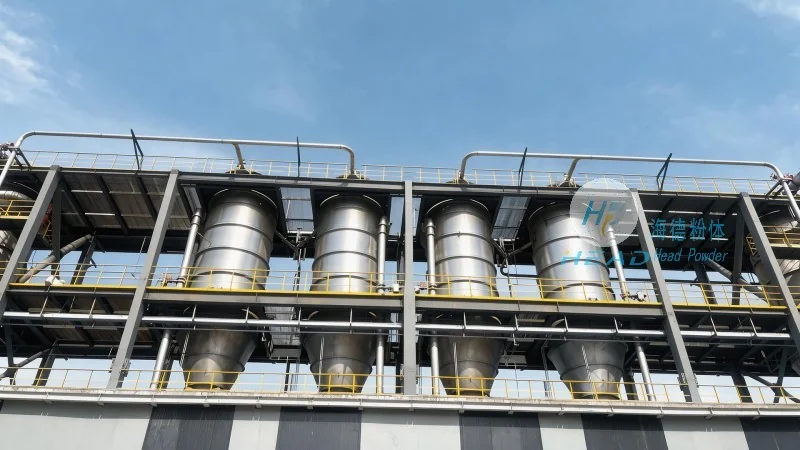
Choosing the right pneumatic conveying system for coagulant dry powder handling is a critical decision that requires careful consideration of process requirements, material characteristics, and system performance. By evaluating factors such as system type, component design, and maintenance needs, facilities can select a system that optimizes their operations and minimizes risks. For companies in China, particularly those in Shandong, partnering with experienced engineering firms like Shandong HeadPowder Engineering Co., Ltd. can provide the expertise and support needed to make informed decisions. By leveraging their knowledge and experience, these companies can ensure that their coagulant dry powder handling processes are efficient, safe, and sustainable, ultimately contributing to the success of their overall operations.

 Shandong Headpowder Engineering Co., Ltd.
 156-6277-7102(Manager Zhang)
  0531-83386006
  Zhangqiu District, Jinan City, Shandong Province, China
telephone
WeChatconsult
top