With more than 10‑year industry experience, Shandong Headpowder delivers full‑service pneumatic‑conveying systems and blowers, undertaking nationwide turn‑key powder‑handling projects.
When it comes to handling refractory materials in industrial processes, selecting the appropriate pneumatic conveying system is crucial for ensuring efficiency, safety, and cost-effectiveness. The right system can significantly impact production throughput, material quality, and operational reliability. This guide from Shandong HeadPowder Engineering Co., Ltd., a leading provider of material handling solutions based in Shandong, China, outlines key considerations to help you make an informed decision.
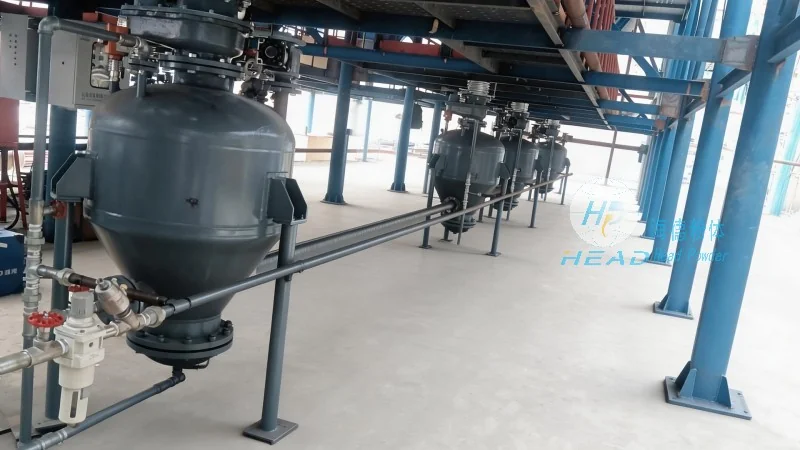
Pneumatic conveying systems use air or other gases to transport bulk materials like refractory powders and granules from one location to another. These systems are widely used in the refractory industry due to their ability to handle abrasive and temperature-sensitive materials without causing degradation. Unlike mechanical conveyors, pneumatic systems offer flexibility in layout, reduced maintenance, and the capability to transport materials over long distances with minimal loss. For refractory manufacturers, choosing a system that matches the specific characteristics of their materials—such as particle size, density, and moisture content—is essential for optimal performance.
Several critical factors must be evaluated when choosing a pneumatic conveying system for refractory materials. First, the material's physical properties, including particle size distribution, bulk density, and flowability, directly influence the system's design. For example, fine powders may require high-pressure or dense-phase conveying to prevent clogging and ensure consistent flow. Second, the distance and layout of the material transfer path are important considerations. Horizontal, vertical, or combination systems may be required depending on the plant's configuration. Third, the system's capacity and throughput needs must align with production requirements. Overdesigning or underdesigning can lead to inefficiencies or bottlenecks. Fourth, operational safety and environmental considerations are paramount. Systems must comply with local regulations regarding dust control, noise reduction, and explosion prevention, especially when handling combustible materials like certain refractory powders.
There are several types of pneumatic conveying systems available, each with its own advantages and applications. The most common types include:
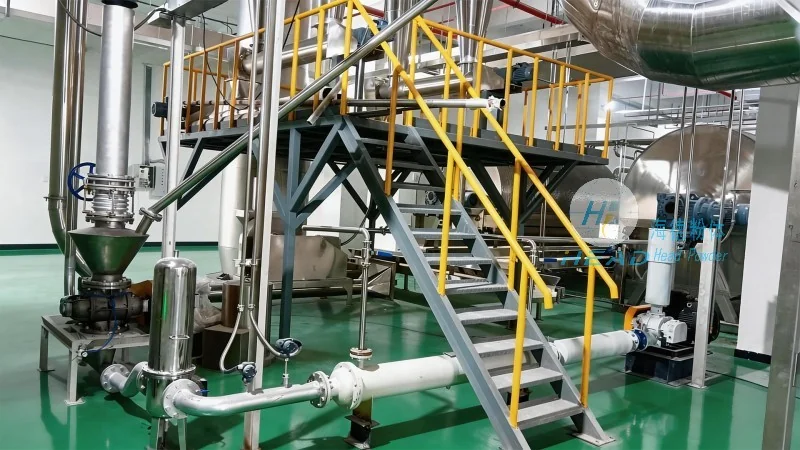
1. Positive-Pressure Systems: These systems use a blower or compressor to generate pressure and push material through the pipeline. They are suitable for short to medium distances and are effective for handling free-flowing materials. Positive-pressure systems are often used in applications where the material is stored in a hopper or silo and needs to be transported to a processing unit.
2. Negative-Pressure (Vacuum) Systems: These systems create a vacuum to draw material from a source and transport it to a destination. They are ideal for applications requiring material to be collected from multiple points or for long-distance transport. Negative-pressure systems are commonly used in dust collection and material recovery processes.
3. Dense-Phase Systems: Also known as low-velocity systems, dense-phase conveying operates at lower air velocities, resulting in a higher material-to-air ratio. This method minimizes material degradation and is suitable for handling fine powders and abrasive materials. Dense-phase systems are particularly effective for transporting materials over long distances without clogging.
4. Combination Systems: Some applications may require a mix of positive and negative pressure or a combination of dense and dilute-phase conveying. These systems offer flexibility and can be tailored to meet specific process requirements.
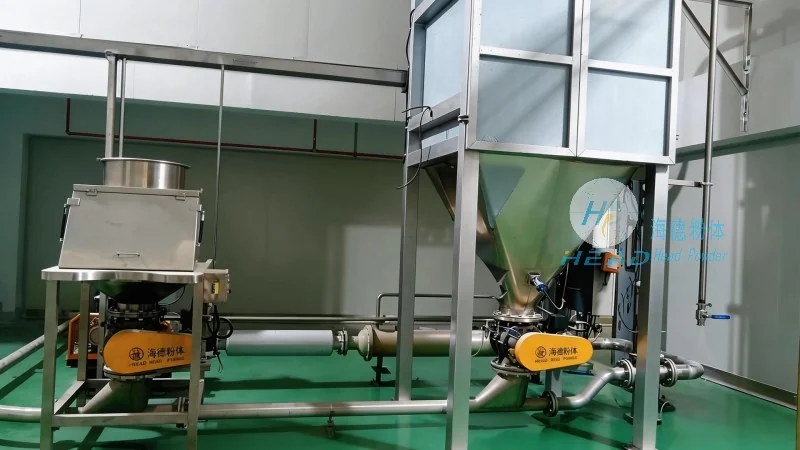
For refractory material handling, a one-size-fits-all approach to pneumatic conveying is rarely effective. The optimal system must be integrated with existing equipment, such as hoppers, silos, and processing machinery. Shandong HeadPowder Engineering Co., Ltd. specializes in customizing pneumatic conveying systems to fit the unique needs of each client. Our team of engineers works closely with customers to assess their material characteristics, process requirements, and facility layout to design a system that maximizes efficiency and minimizes downtime. Customization may include adjustments to pipeline diameter, air velocity, and control mechanisms to ensure smooth operation.
Investing in a high-quality pneumatic conveying system is only part of the equation. Proper maintenance and regular inspections are critical for ensuring long-term performance and reliability. Regular cleaning of pipelines, filters, and cyclones helps prevent clogging and material buildup, which can reduce system efficiency and increase maintenance costs. Additionally, monitoring air pressure, flow rates, and material levels can help identify potential issues before they become major problems. Shandong HeadPowder Engineering Co., Ltd. offers comprehensive maintenance services and support to help clients maintain their systems in optimal condition.
Selecting the right pneumatic conveying system for your refractory material handling process is a critical decision that can impact your operations for years to come. By considering the material's physical properties, the transfer distance and layout, system capacity, and safety requirements, you can choose a system that meets your needs. Working with a reputable provider like Shandong HeadPowder Engineering Co., Ltd., based in Shandong, China, ensures that you receive a customized, high-performance system designed to enhance your production efficiency and maintain the quality of your refractory materials. Whether you need a positive-pressure system for short-distance transport or a dense-phase system for long-distance handling, our expertise and experience can help you make the right choice.

 Shandong Headpowder Engineering Co., Ltd.
 156-6277-7102(Manager Zhang)
  0531-83386006
  Zhangqiu District, Jinan City, Shandong Province, China
telephone
WeChatconsult
top