With more than 10‑year industry experience, Shandong Headpowder delivers full‑service pneumatic‑conveying systems and blowers, undertaking nationwide turn‑key powder‑handling projects.
HeadPowder, a leading engineering firm based in Shandong, China, specializes in the design, calculation, and equipment selection for cement particle pneumatic conveying systems. With a deep understanding of the unique challenges associated with handling cement and other fine powders, the company provides comprehensive solutions tailored to the specific needs of industrial clients.
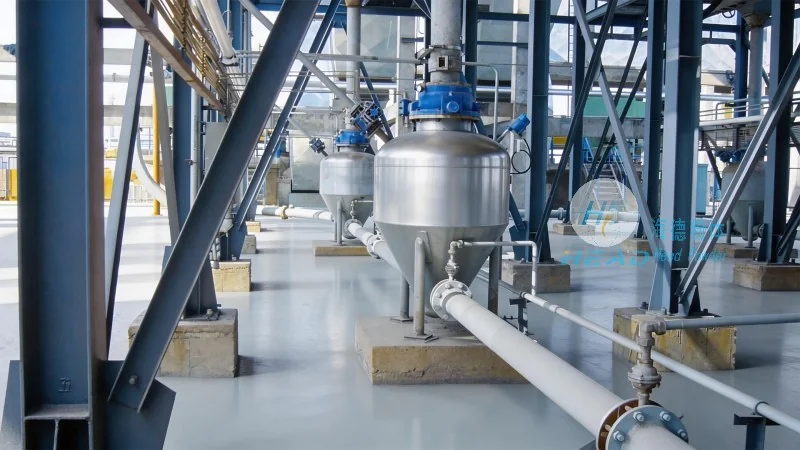
Pneumatic conveying is a critical technology for transporting cement particles efficiently and reliably. This method involves using air or gas to move bulk materials through a pipeline system. For cement, which is often abrasive and has specific flow characteristics, the design of the conveying system must account for factors such as particle size distribution, moisture content, and the material's density. The choice of conveying system—whether it's a dilute phase or dense phase system—depends on the distance, material characteristics, and desired flow rate. Dilute phase systems are typically used for shorter distances and lower material loads, while dense phase systems are preferred for longer distances or when handling more sensitive materials.
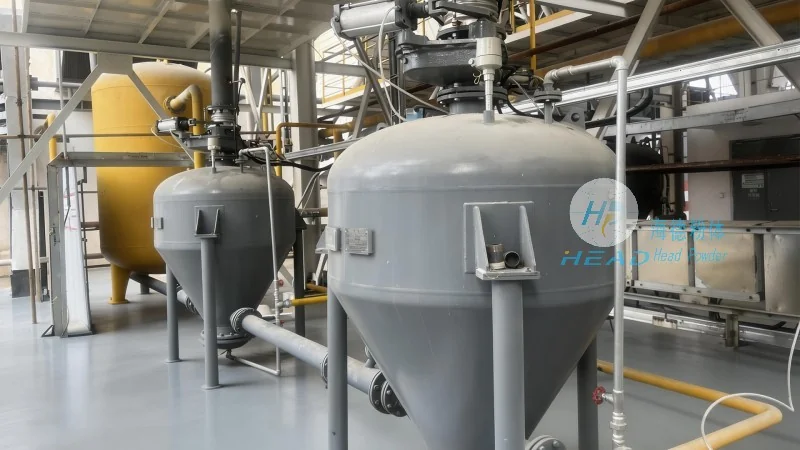
The design of a cement particle pneumatic conveying system requires precise calculations to ensure optimal performance and efficiency. Key parameters that must be determined include the required air velocity, pressure drop, and power consumption. The air velocity must be sufficient to lift and transport the cement particles but not so high as to cause excessive wear on the system components. The pressure drop across the pipeline is a critical factor, as it directly impacts the energy consumption of the system. Engineers at HeadPowder use advanced computational methods and empirical formulas to calculate these parameters, ensuring that the system operates within safe and efficient limits. For example, the calculation of the minimum air velocity for a given particle size and density is based on the terminal velocity of the particles in the air stream. This calculation helps determine the necessary air flow rate and pressure to achieve the desired conveying capacity.
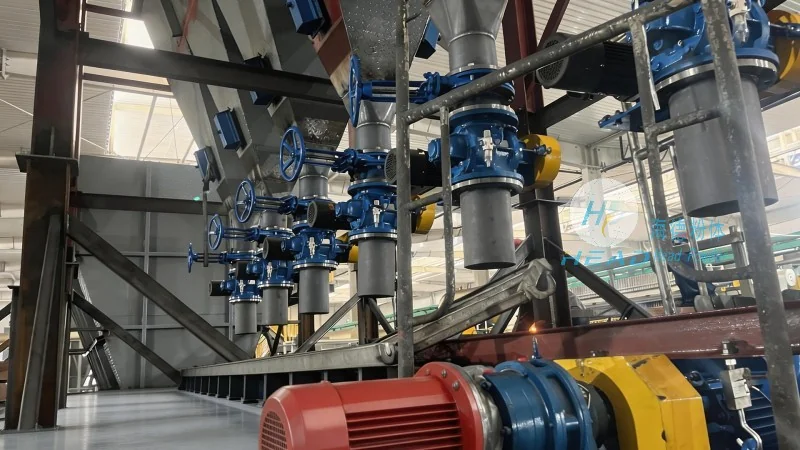
HeadPowder offers a range of equipment tailored to the specific requirements of cement particle pneumatic conveying. The selection process involves evaluating various components, including the material handling equipment, air supply systems, and control devices. For the material handling equipment, options include rotary valves, feeders, and silos to ensure a consistent and controlled feed of cement into the conveying system. The air supply system typically consists of blowers or compressors, which provide the necessary pressure and volume of air. The choice of equipment depends on factors such as the conveying distance, material characteristics, and the required flow rate. For example, in a dilute phase system, a high-pressure blower may be used to achieve the required air velocity, while in a dense phase system, a positive displacement blower is often preferred to maintain a higher material concentration in the air stream. Control devices, such as pressure regulators and flow meters, are also essential to monitor and adjust the system parameters in real-time, ensuring stable and efficient operation.
One of the recent projects undertaken by HeadPowder involved optimizing the pneumatic conveying system of a large cement plant in Shandong. The client was experiencing issues with material blockages and excessive energy consumption in their existing system. Through a detailed analysis of the current system, HeadPowder's engineers identified the root causes of the problems and proposed a revised design. The new system included upgraded rotary valves, a more efficient blower, and improved pipeline layout. The calculations performed by the company ensured that the air velocity and pressure were optimized for the cement particles, reducing the risk of blockages and minimizing energy usage. The results of the project were significant, with the client achieving a 20% reduction in energy consumption and a 15% increase in conveying capacity. This case study highlights the importance of proper design and equipment selection in achieving efficient and reliable cement particle pneumatic conveying.
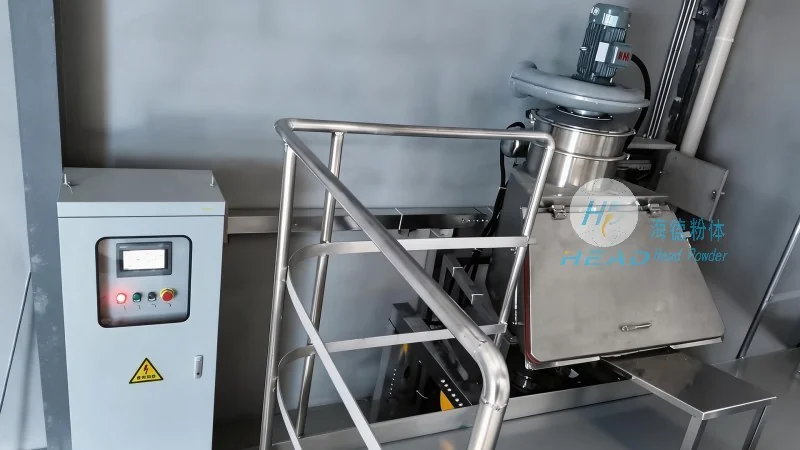
HeadPowder Engineering Co., Ltd. provides comprehensive solutions for the design, calculation, and equipment selection of cement particle pneumatic conveying systems. By leveraging advanced engineering principles and a deep understanding of material characteristics, the company helps industrial clients achieve efficient, reliable, and cost-effective material handling solutions. With a focus on tailored solutions and rigorous calculations, HeadPowder ensures that its clients receive systems that meet their specific operational needs and performance goals.

 Shandong Headpowder Engineering Co., Ltd.
 156-6277-7102(Manager Zhang)
  0531-83386006
  Zhangqiu District, Jinan City, Shandong Province, China
telephone
WeChatconsult
top