With more than 10‑year industry experience, Shandong Headpowder delivers full‑service pneumatic‑conveying systems and blowers, undertaking nationwide turn‑key powder‑handling projects.
Calcium oxide, commonly known as quicklime, is a fine powder with unique handling characteristics. Its high reactivity and tendency to agglomerate can pose significant challenges during pneumatic conveying. Preventing pipeline blockages is a critical concern for industries relying on efficient material transport. This article explores effective strategies and key design parameters to ensure smooth operation in pneumatic conveying systems for calcium oxide powder, with insights from Shandong HeadPowder Engineering Co., Ltd., a leading provider in the field.
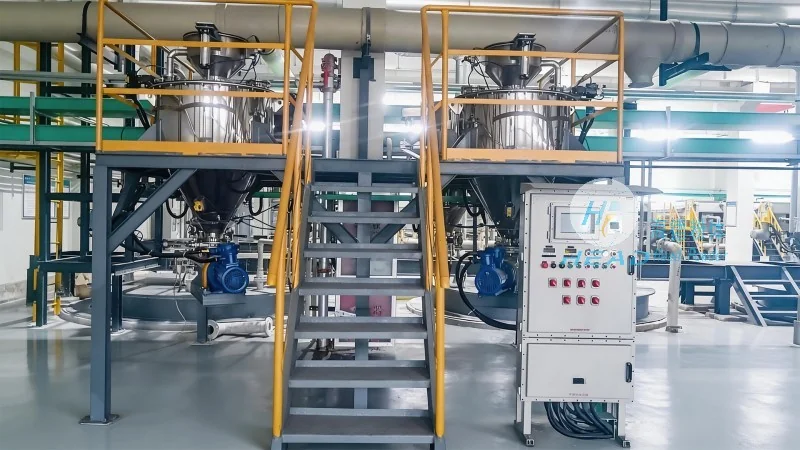
The success of a pneumatic conveying system for calcium oxide powder hinges on several critical design parameters. Proper selection and optimization of these factors can significantly reduce the risk of blockages and ensure reliable material transport. The following parameters are essential for system design:
System Pressure and Air Velocity: Maintaining an appropriate pressure and air velocity is fundamental. Insufficient air velocity can lead to powder settling and blockages, while excessive pressure may cause excessive wear on components. For calcium oxide, a balanced pressure range of 0.5 to 1.5 bar is often recommended, with air velocities between 20 to 30 m/s to ensure proper suspension and prevent agglomeration.
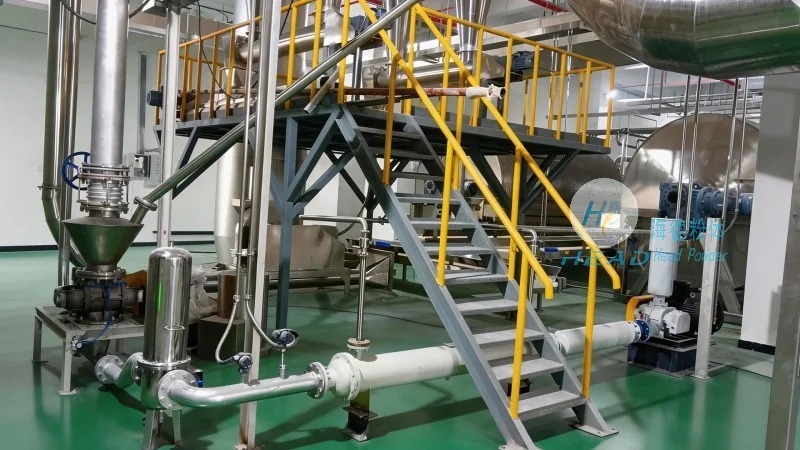
Pipeline Diameter and Length: The diameter of the conveying pipeline and its length play a crucial role. Larger diameters reduce friction losses and the risk of blockages, but may increase system cost. The length of the pipeline affects pressure drop, and longer runs require higher pressure or additional booster sections. For calcium oxide, a pipeline diameter of at least 100 mm is typically recommended for continuous operation, with regular inspection points to monitor for any signs of blockage.
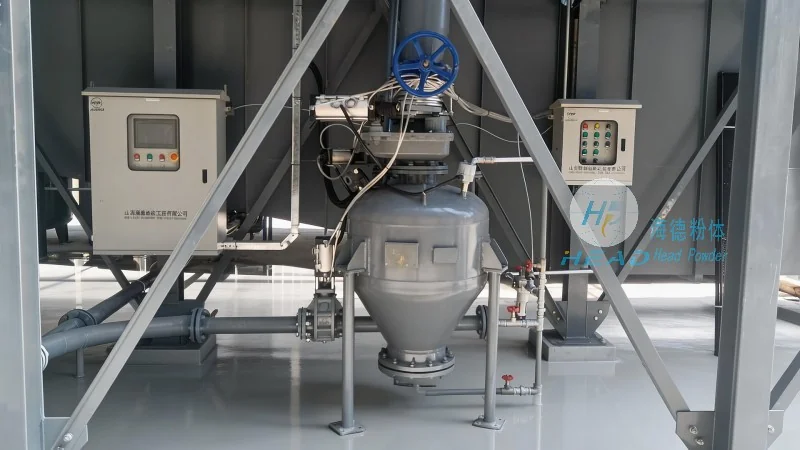
Powder Characteristics and Feed Rate: The physical properties of calcium oxide, such as particle size distribution, moisture content, and bulk density, directly impact system performance. Proper feed rate control is vital to avoid overloading the system. Using a feeder with adjustable speed and capacity allows for precise control, preventing excess powder from entering the pipeline and causing blockages. Shandong HeadPowder Engineering Co., Ltd. recommends monitoring moisture levels and particle size to tailor the feed rate accordingly.
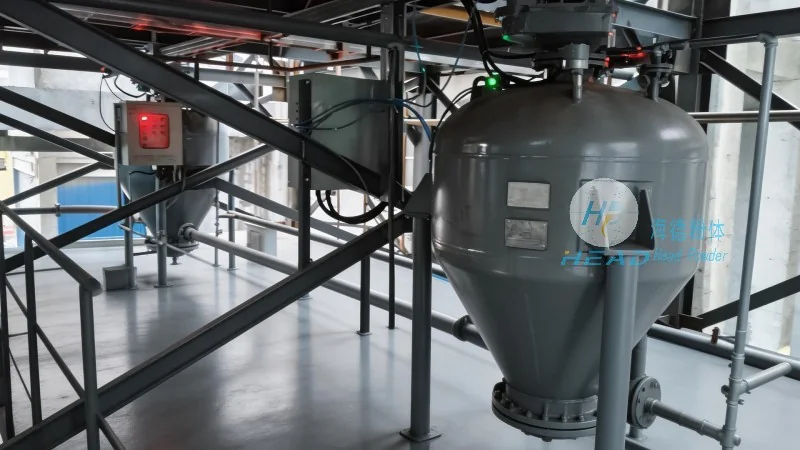
System Configuration and Flow Path: The layout of the pneumatic conveying system, including the number of bends, vertical and horizontal sections, and the presence of any restrictions or valves, influences flow dynamics. Minimizing sharp bends and using smooth transitions reduces turbulence and the likelihood of powder accumulation. Additionally, incorporating a venturi or pulse jet cleaning system can help maintain pipeline integrity by periodically clearing any potential blockages.
As a specialist in pneumatic conveying solutions, Shandong HeadPowder Engineering Co., Ltd. leverages years of experience to design and implement systems tailored to the unique needs of calcium oxide powder. The company’s expertise lies in understanding the material’s behavior under different conditions and applying advanced engineering principles to prevent blockages. Their team of engineers conducts thorough analyses of the powder’s properties and the operational requirements of the client to recommend optimal system configurations. By focusing on key design parameters and continuous monitoring, HeadPowder ensures that their clients achieve efficient, reliable, and safe material transport, minimizing downtime and operational costs.

 Shandong Headpowder Engineering Co., Ltd.
 156-6277-7102(Manager Zhang)
  0531-83386006
  Zhangqiu District, Jinan City, Shandong Province, China
telephone
WeChatconsult
top