With more than 10‑year industry experience, Shandong Headpowder delivers full‑service pneumatic‑conveying systems and blowers, undertaking nationwide turn‑key powder‑handling projects.
HeadPowder, a leading enterprise in the field of pneumatic conveying technology, specializes in the design, manufacturing, and application of systems for handling poultry essence. This article provides an in-depth exploration of the fundamental principles behind pneumatic conveying systems, the various classification methods used in industry, and the practical applications of these technologies in processing and transporting poultry essence. By understanding these aspects, stakeholders in the poultry processing industry can make informed decisions regarding the selection and implementation of efficient and reliable pneumatic conveying solutions.
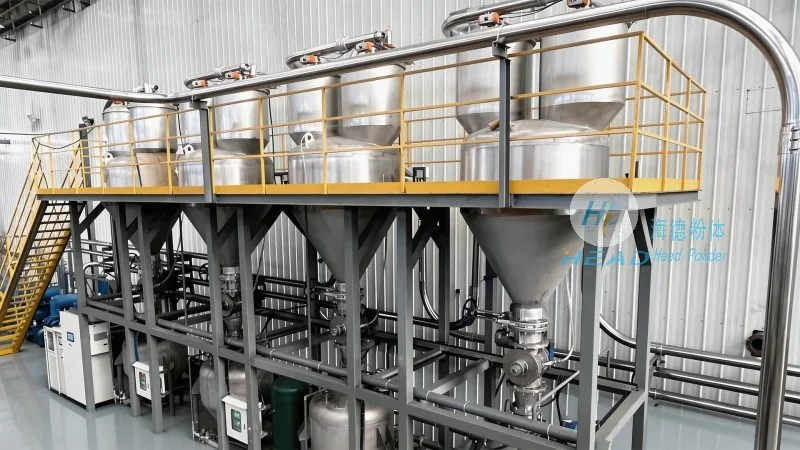
Pneumatic conveying, also known as pneumatic transport, is a method of transporting bulk materials through a pipeline using a stream of pressurized air or gas. The core principle involves creating a pressure differential between the inlet and outlet of the system, which propels the material along the pipeline. In the context of poultry essence, this technology is particularly valuable due to the material's sensitivity to moisture, temperature, and contamination. The system typically consists of a hopper for material storage, a feeder to control the flow rate, a conveying line, and a receiver for the discharged material. The air flow can be generated by positive pressure (where air is blown into the line), negative pressure (where air is drawn out), or a combination of both, depending on the specific requirements of the application. The choice of pressure type and system design is critical to ensuring efficient material transport while maintaining product quality.
Pneumatic conveying systems are broadly classified based on several key parameters, including the pressure level, the type of air flow, and the material handling characteristics. The primary classifications include:
1. Positive Pressure Systems: These systems operate by blowing air into the conveying line, creating a positive pressure that pushes the material forward. They are often used for short to medium distance transport and are suitable for handling dry, free-flowing materials like poultry essence. Positive pressure systems are generally simpler in design and easier to maintain, making them a popular choice for many applications.
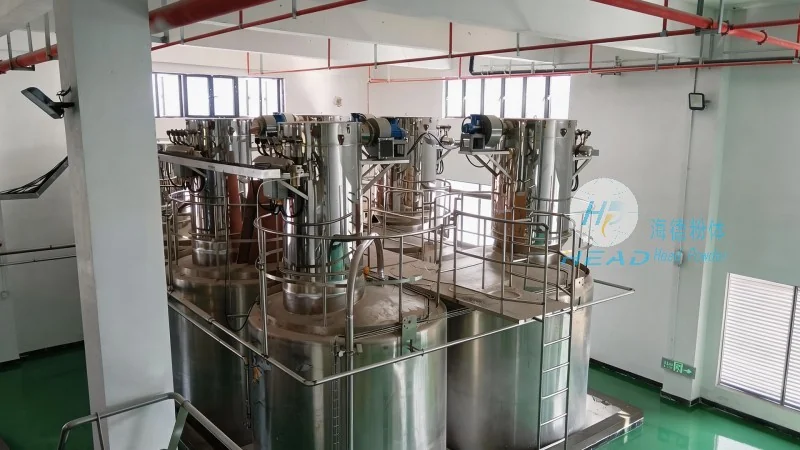
2. Negative Pressure (Vacuum) Systems: In contrast, negative pressure systems draw material into the line using a vacuum created by a fan or blower at the receiver end. This method is ideal for applications requiring the collection of material from multiple points or for handling materials that are prone to dust or contamination. Negative pressure systems are commonly used in environments where dust control is a priority, as the suction action helps to minimize particle dispersion.
3. Combination Systems: Some applications may require a hybrid approach, combining both positive and negative pressure elements. For instance, a system might use positive pressure to transport material from a hopper to a central point and then switch to negative pressure to deliver it to a final receiver. This flexibility allows for more complex material handling scenarios, such as multi-stage transport or the integration of multiple feed sources.
The application of pneumatic conveying in the processing of poultry essence is multifaceted, addressing the unique challenges associated with handling this product. Poultry essence, often a liquid or semi-liquid substance derived from poultry processing byproducts, requires specialized handling to prevent degradation and maintain its quality. Pneumatic conveying systems are particularly effective because they minimize direct contact with equipment surfaces, reducing the risk of contamination and ensuring that the product remains in its original state. The systems can be designed to handle both liquid and solid components of poultry essence, allowing for the efficient separation and transport of these materials.
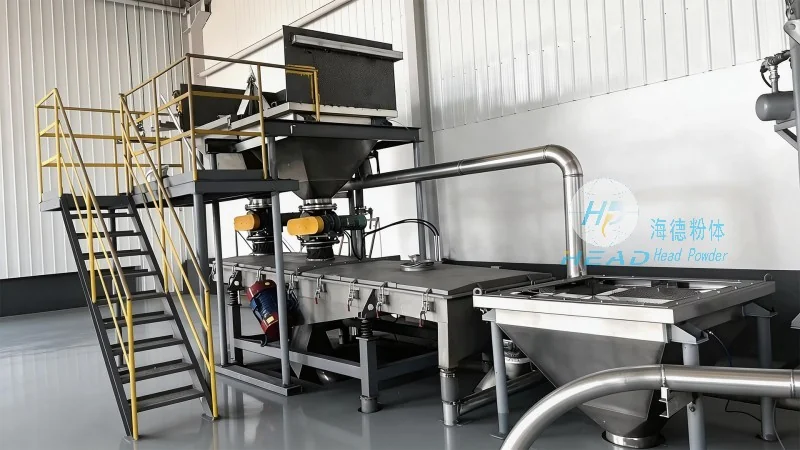
One of the key applications is in the transfer of poultry essence from processing tanks to storage tanks or packaging lines. Traditional methods, such as pumping or manual handling, can introduce air bubbles or temperature changes that affect the product's consistency. Pneumatic conveying, however, uses air to gently move the material, preserving its viscosity and preventing oxidation. This is especially important for products intended for food or pharmaceutical use, where quality control is paramount.
Shandong HeadPowder Engineering Co., Ltd., headquartered in China, has extensive experience in designing and implementing pneumatic conveying solutions tailored to the needs of the poultry processing industry. The company's expertise lies in customizing systems to meet specific operational requirements, ensuring optimal performance and reliability. For instance, a recent project involved the installation of a positive pressure pneumatic conveying system for a poultry processing plant in Shandong province. The system was designed to transport poultry essence from a processing tank to a storage facility over a distance of 100 meters, with a required flow rate of 500 kg per hour. The system successfully maintained the product's quality, with minimal temperature variation and no visible contamination, demonstrating the effectiveness of the technology.
Pneumatic conveying technology offers significant advantages in the handling of poultry essence, providing a reliable, efficient, and hygienic method for material transport. By understanding the principles and classifications of these systems, industry professionals can select the most appropriate solution for their specific needs. As technology continues to advance, we can expect further innovations in pneumatic conveying systems, such as the integration of automation and real-time monitoring, which will enhance operational efficiency and product quality. For businesses in the poultry processing sector, investing in advanced pneumatic conveying solutions is a strategic move toward improving productivity and maintaining compliance with industry standards.

 Shandong Headpowder Engineering Co., Ltd.
 156-6277-7102(Manager Zhang)
  0531-83386006
  Zhangqiu District, Jinan City, Shandong Province, China
telephone
WeChatconsult
top