With more than 10‑year industry experience, Shandong Headpowder delivers full‑service pneumatic‑conveying systems and blowers, undertaking nationwide turn‑key powder‑handling projects.
Borax, a widely used chemical compound, often requires reliable and efficient methods for handling its powder and granular forms. Pneumatic conveying systems offer a sophisticated solution to transport borax and similar materials with precision and minimal disruption. This article explores the principles and applications of borax pneumatic conveying, highlighting how air flow can be optimized for effective material movement.
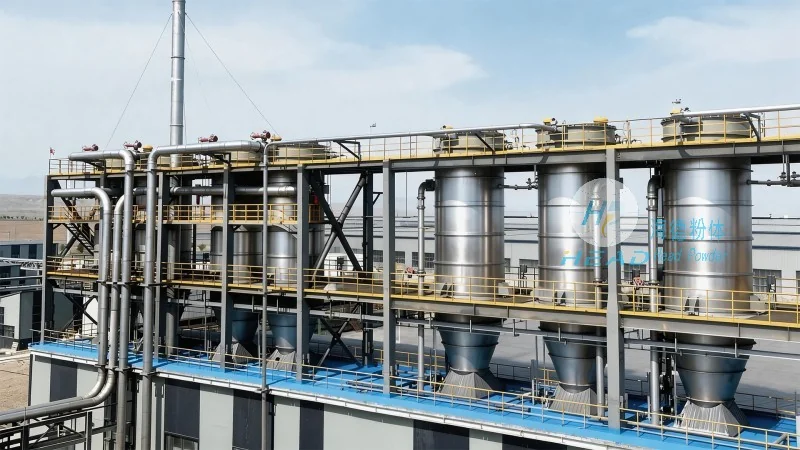
Shandong HeadPowder Engineering Co., Ltd. is a leading provider of specialized engineering solutions for the chemical and material handling industries. With a focus on innovation and customer-centric design, HeadPowder has established itself as a trusted partner for companies seeking advanced pneumatic conveying systems. The company’s expertise lies in developing tailored solutions that address the unique challenges of transporting borax and other fine or granular materials, ensuring safety, efficiency, and cost-effectiveness.
Pneumatic conveying utilizes air pressure or vacuum to move bulk materials through a pipeline. For borax, which is often handled in powder or granular form, this method offers several advantages over traditional mechanical systems. The primary benefit is the ability to transport materials over long distances with minimal product degradation, as the material remains suspended in air rather than being subjected to friction or impact. Additionally, pneumatic systems can handle a wide range of particle sizes and densities, making them versatile for various borax applications.
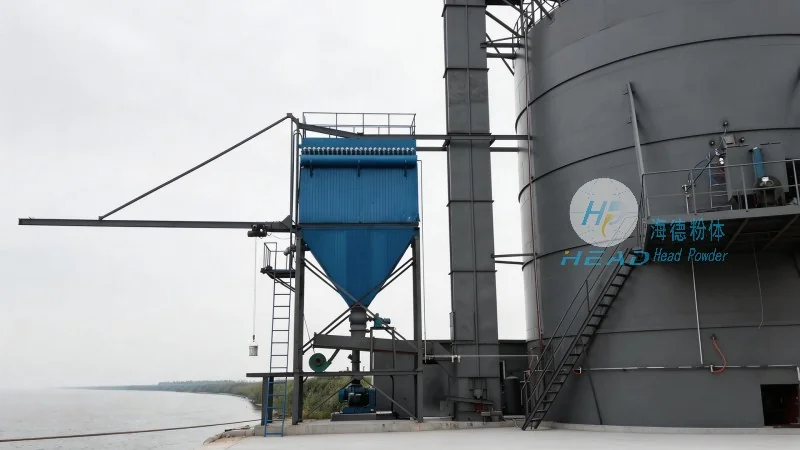
A typical borax pneumatic conveying system consists of several critical components that work in harmony to ensure efficient material transport. These include the material feed hopper, which stores and feeds the borax into the system; the air mover (either a blower or vacuum pump), which generates the necessary air flow; the conveying line, which transports the material; and the discharge device, which delivers the material to its destination. Each component is designed to handle the specific characteristics of borax, such as its fine particle size and potential for dust generation, ensuring optimal performance and safety.
The success of a borax pneumatic conveying system depends heavily on the optimization of air flow. Proper air velocity is crucial to prevent material settling or blockages in the pipeline. HeadPowder engineers employ advanced computational fluid dynamics (CFD) and field testing to determine the ideal air velocity and pressure for a given application. By adjusting these parameters, the system can achieve high transport rates while minimizing energy consumption and wear on components. This optimization also helps in reducing product degradation, as excessive air flow can cause particle attrition, and insufficient flow can lead to clogging.
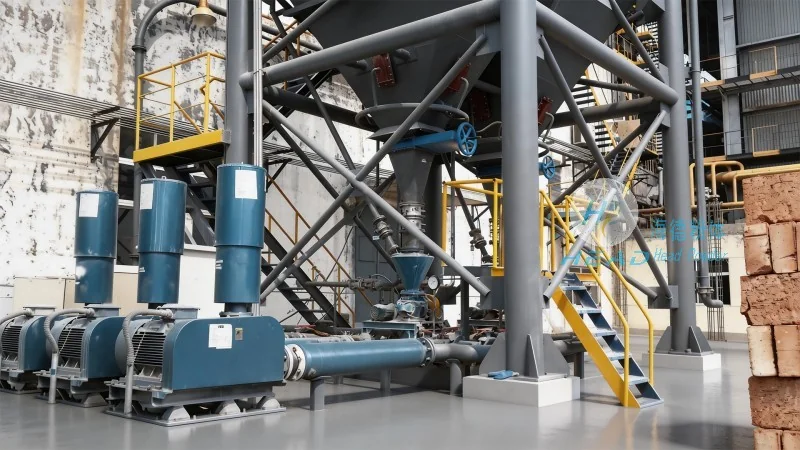
Borax pneumatic conveying is widely used in various industries, including chemical manufacturing, food processing, and pharmaceuticals. In chemical plants, it is used to transport borax from storage silos to processing units, ensuring a continuous and controlled supply. In food processing, the system is employed to move borax for use in baking or as a preservative, maintaining hygiene and product quality. The versatility of pneumatic systems makes them suitable for both small-scale and large-scale operations, adapting to the varying demands of different borax applications.
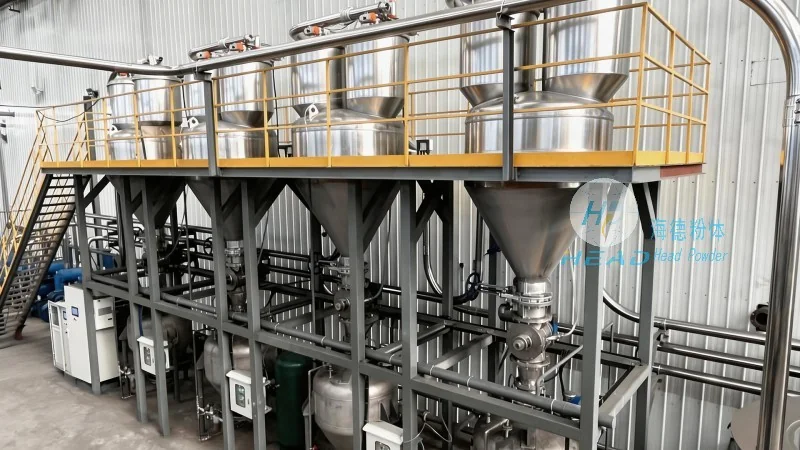
When selecting a pneumatic conveying system for borax, companies benefit from partnering with HeadPowder Engineering. The company’s expertise in material handling and chemical processing ensures that the system is designed to meet the specific requirements of the application. HeadPowder offers comprehensive solutions, from system design and installation to maintenance and support, providing a complete service package. The company’s commitment to quality and customer satisfaction is reflected in its adherence to industry standards and rigorous testing protocols, ensuring that the borax pneumatic conveying system operates reliably and efficiently.
Borax pneumatic conveying represents a modern and effective approach to handling powder and granular materials. By leveraging air flow, companies can achieve high transport rates, minimize product damage, and improve overall operational efficiency. With the expertise of HeadPowder Engineering, businesses can implement a tailored pneumatic conveying system that meets their specific needs, ensuring safe and reliable transport of borax. As the demand for efficient material handling solutions continues to grow, pneumatic conveying remains a key technology in the chemical industry, and HeadPowder is at the forefront of providing innovative solutions for borax and other materials.

 Shandong Headpowder Engineering Co., Ltd.
 156-6277-7102(Manager Zhang)
  0531-83386006
  Zhangqiu District, Jinan City, Shandong Province, China
telephone
WeChatconsult
top