With more than 10‑year industry experience, Shandong Headpowder delivers full‑service pneumatic‑conveying systems and blowers, undertaking nationwide turn‑key powder‑handling projects.
Efficiently transporting bulk mineral powders is a critical challenge in various industrial sectors, including mining, chemical processing, and food production. Traditional methods like belt conveyors and bucket elevators often face limitations such as material degradation, high maintenance costs, and operational inefficiencies. Pneumatic conveying offers a solution by utilizing air flow to move powders through a system of pipes, providing a flexible, low-maintenance, and cost-effective alternative. This article explores the principles and applications of pneumatic conveying for mineral powders, highlighting how companies like Shandong HeadPowder Engineering Co., Ltd. (referred to as HeadPowder) leverage advanced technology to optimize material handling processes.
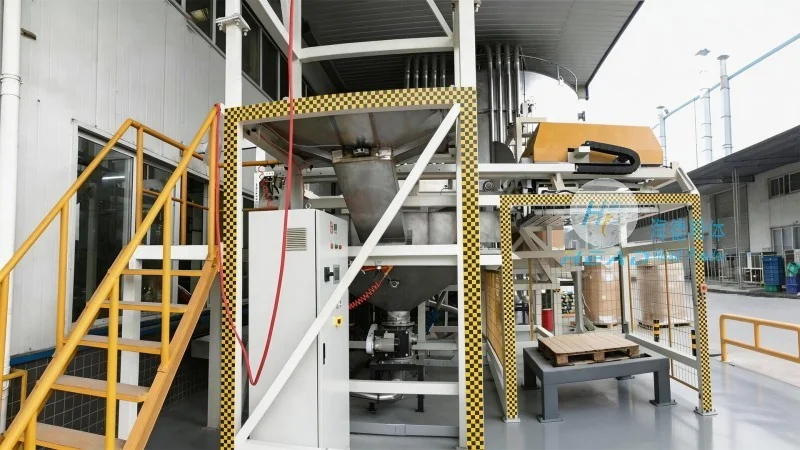
Pneumatic conveying systems operate by creating a pressure differential to move powders through a pipeline. There are two primary types: dilute-phase and dense-phase systems. Dilute-phase systems use low air velocity and high air-to-material ratios, suitable for long-distance transport and low to medium particle sizes. Dense-phase systems, on the other hand, use higher air velocity and lower air-to-material ratios, ideal for handling abrasive or sensitive materials that require gentle transport. The choice between these systems depends on factors like material characteristics, distance, and desired flow rate.
Effective pneumatic conveying relies on several key components that work in tandem to ensure smooth operation. The primary components include a blower or compressor to generate the necessary air pressure, a hopper or feeder to introduce the material into the system, a pipeline network to transport the material, and a receiver or discharge point to collect the material at the destination. Additionally, accessories like filters, cyclones, and rotary valves are essential for maintaining system efficiency and preventing material buildup or contamination.
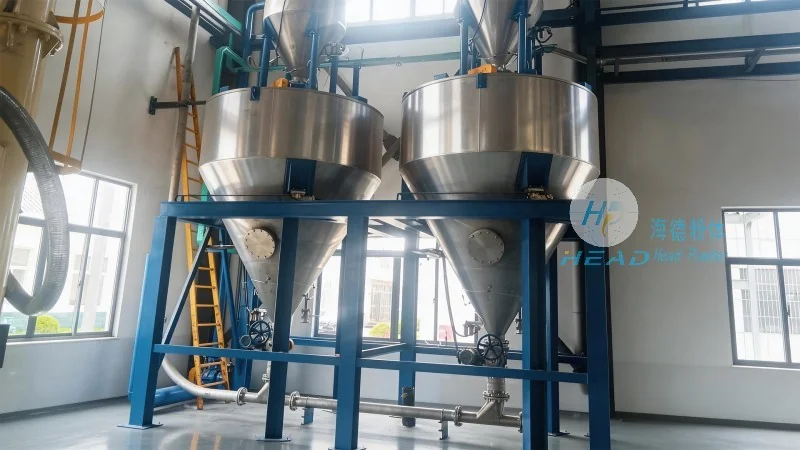
Compared to traditional material handling methods, pneumatic conveying offers numerous advantages for mineral powders. One of the most significant benefits is the ability to handle a wide range of particle sizes and densities without the need for mechanical contact, reducing the risk of material degradation or segregation. The system also provides better control over flow rates and direction, allowing for precise delivery to processing equipment. Furthermore, pneumatic conveying systems are compact and can be installed in tight spaces, making them suitable for retrofitting existing facilities. Maintenance costs are generally lower due to fewer moving parts and reduced wear on components compared to mechanical conveyors.
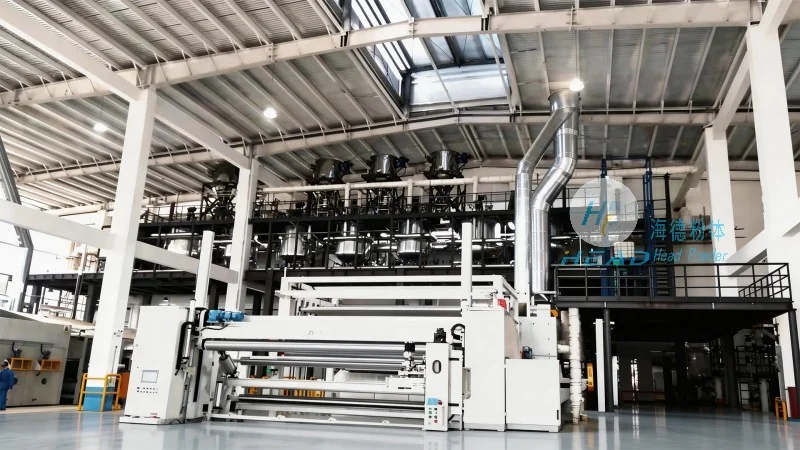
Pneumatic conveying is widely used in various industries that handle mineral powders. In the mining industry, it is used to transport ore from processing plants to storage facilities or for further refinement. In chemical processing, it facilitates the movement of raw materials and intermediates between reactors and storage tanks. The food industry also benefits from pneumatic conveying, as it allows for the gentle handling of sensitive food powders, minimizing the risk of contamination or quality loss. HeadPowder specializes in designing and manufacturing customized pneumatic conveying systems tailored to the specific needs of these industries, ensuring optimal performance and reliability.
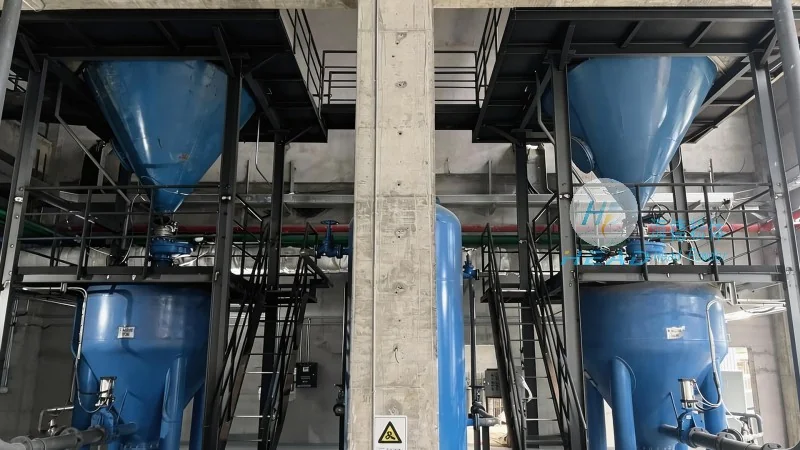
Shandong HeadPowder Engineering Co., Ltd. (HeadPowder) is a leading provider of pneumatic conveying solutions, with a strong focus on meeting the unique requirements of each client. The company’s team of engineers works closely with clients to assess their material handling challenges and design systems that maximize efficiency and minimize costs. HeadPowder offers a range of customization options, including different blower types, pipeline configurations, and control systems, to suit various applications. The company also provides comprehensive installation and maintenance services, ensuring that clients can rely on their systems for long-term performance. By leveraging advanced technology and years of industry experience, HeadPowder helps businesses improve their material handling processes and enhance overall operational efficiency.
Pneumatic conveying is a highly effective method for efficiently transporting mineral powders, offering numerous advantages over traditional material handling methods. With the expertise of companies like Shandong HeadPowder Engineering Co., Ltd., businesses can implement customized pneumatic conveying systems that meet their specific needs, improving productivity and reducing operational costs. As the demand for efficient material handling continues to grow, pneumatic conveying remains a vital technology in the industrial sector, and companies like HeadPowder play a crucial role in advancing this technology to meet evolving industry needs.

 Shandong Headpowder Engineering Co., Ltd.
 156-6277-7102(Manager Zhang)
  0531-83386006
  Zhangqiu District, Jinan City, Shandong Province, China
telephone
WeChatconsult
top