With more than 10‑year industry experience, Shandong Headpowder delivers full‑service pneumatic‑conveying systems and blowers, undertaking nationwide turn‑key powder‑handling projects.
Industrial water treatment processes rely heavily on the efficacy of chemical additives, with Polyacrylamide (PAM) being one of the most critical components. As a high-molecular-weight polymer, PAM is extensively used for flocculation, sedimentation, and thickening. However, handling PAM in its solid granular form presents unique logistical and operational challenges. Traditional mechanical conveying methods often struggle with dust generation, cross-contamination, and the energy required to move the material over long distances. To address these inefficiencies, advanced pneumatic conveying technology has become the preferred solution. This article explores the technical advantages of PAM particle pneumatic conveying systems, the importance of customized engineering solutions, and why Shandong Headpowder Engineering Co., Ltd. stands out as a premier manufacturer in this specialized field.
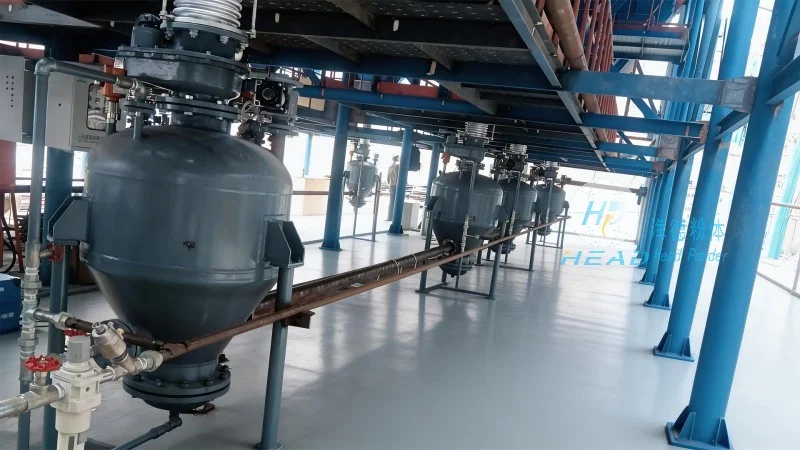
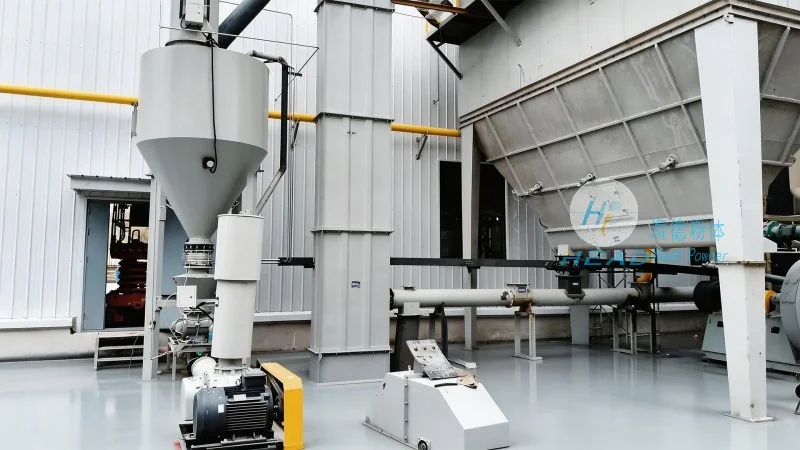
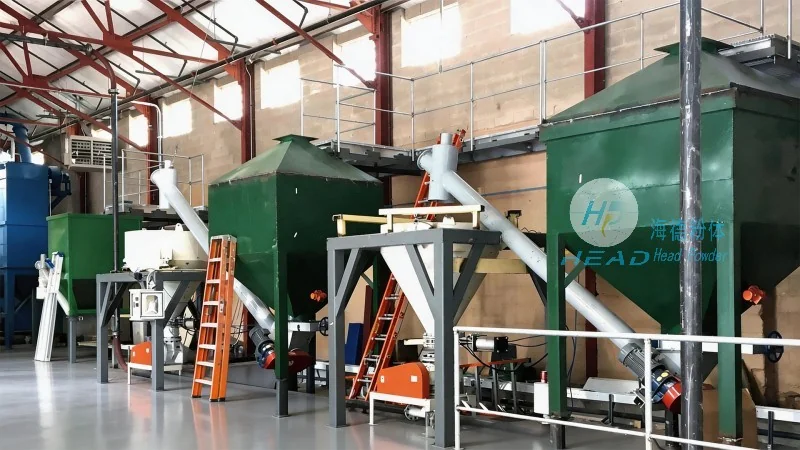
The core of modern material handling in chemical plants involves the implementation of robust PAM particle pneumatic conveying systems. Unlike traditional screw conveyors or belt systems, pneumatic conveying utilizes a stream of air to transport the granular PAM through a closed pipeline. This method offers a significant advantage in maintaining the integrity of the chemical product. Because the system is fully enclosed, it effectively eliminates dust emissions, which is a major concern when handling fine polymer powders that can become airborne and pose health risks or environmental hazards.
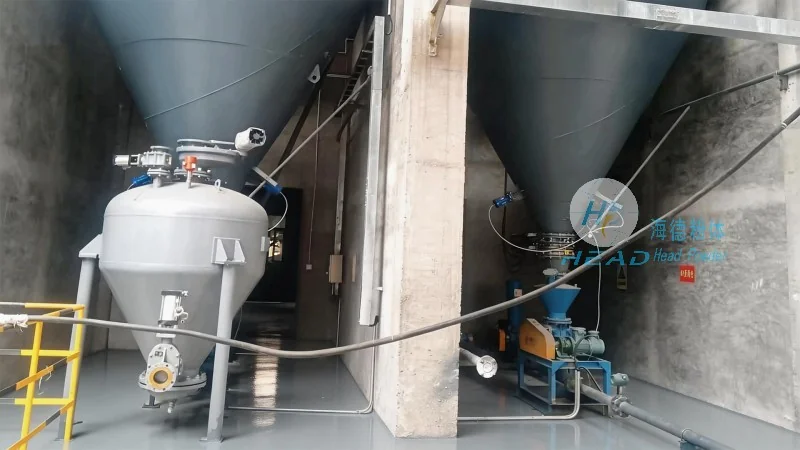
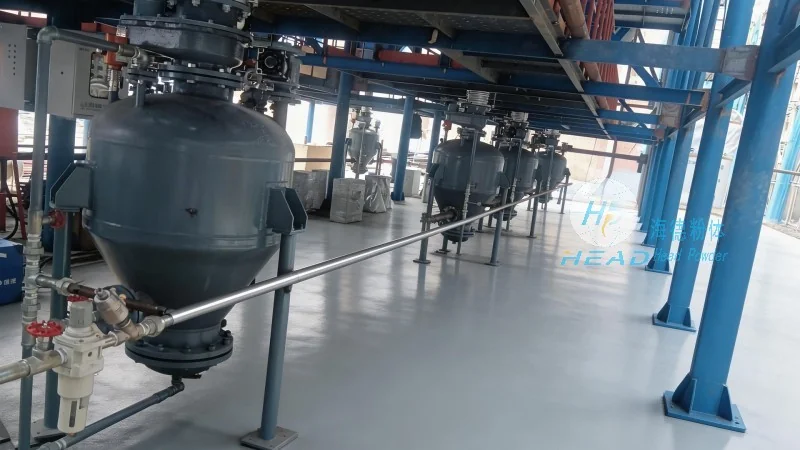
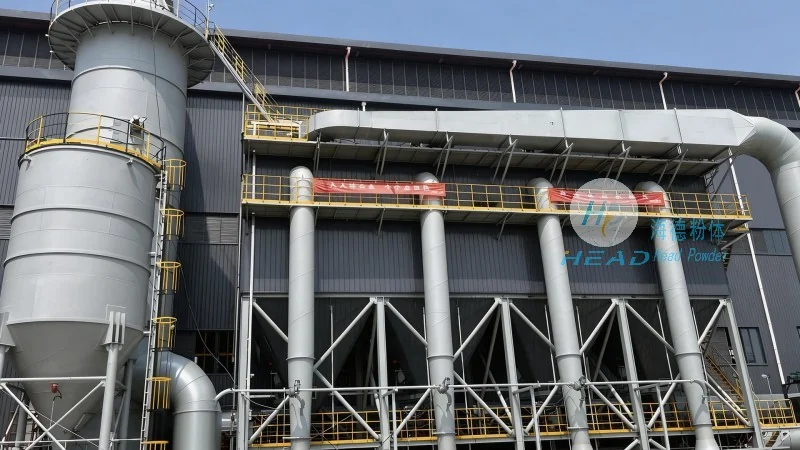
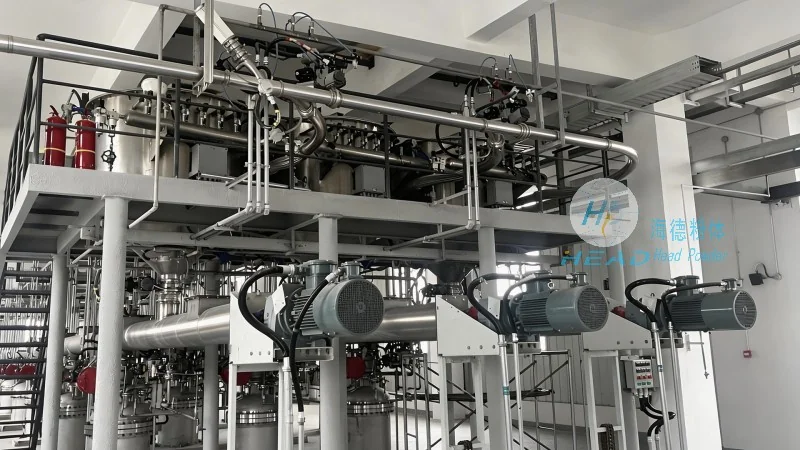
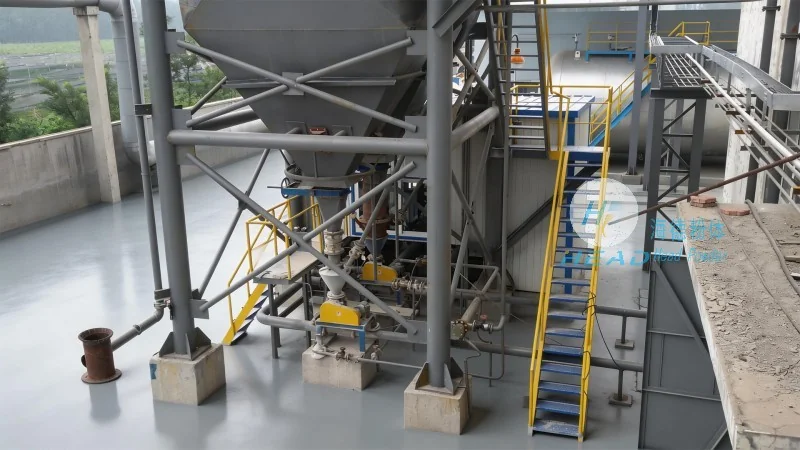
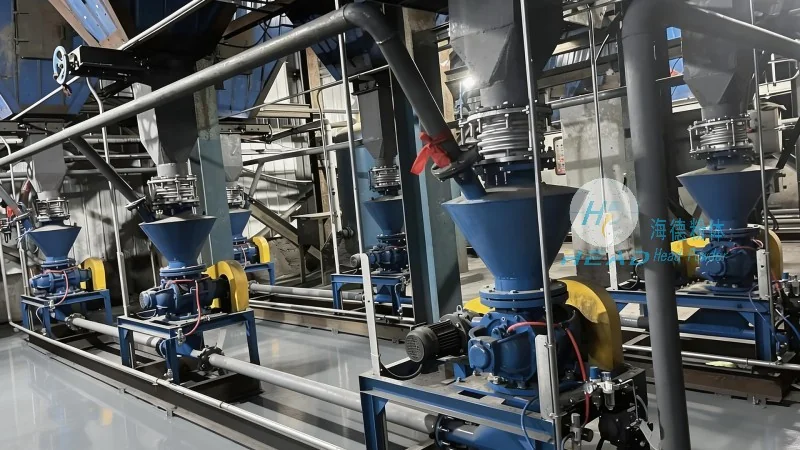
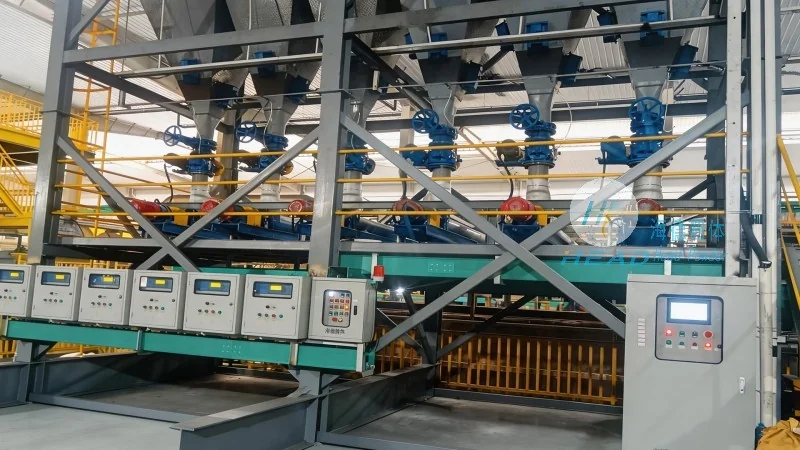
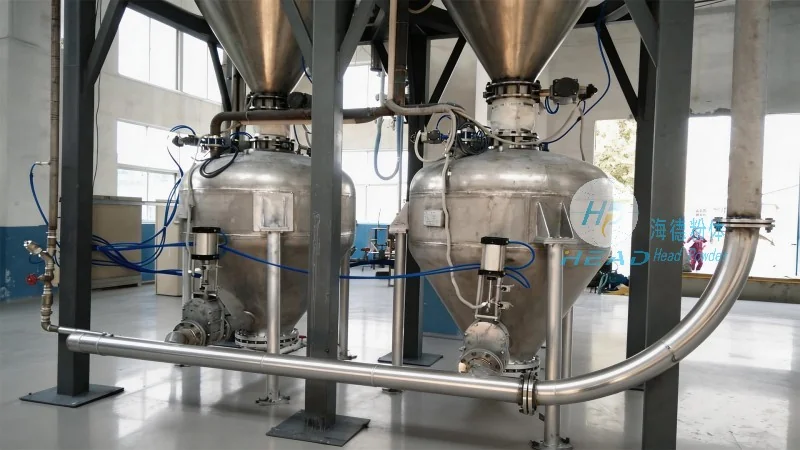
Shandong Headpowder Engineering Co., Ltd. specializes in designing these sophisticated systems to ensure continuous and reliable operation. Our PAM particle pneumatic conveying systems are engineered to handle the specific characteristics of PAM, such as its hygroscopic nature and varying particle sizes. By utilizing precise pressure control and airlock feeding devices, we ensure that the PAM remains dry and free-flowing during transit. The system typically consists of a feeding unit, a conveying pipeline, a receiving hopper, and a dust collection unit. This integrated approach not only protects the product quality but also enhances the overall safety of the facility.
Every industrial facility has a unique layout and specific production requirements, which is why a one-size-fits-all approach is rarely effective. This is where our customized PAM particle pneumatic conveying solutions come into play. As a leading PAM particle pneumatic conveying solution provider, Shandong Headpowder Engineering Co., Ltd. works closely with clients to analyze their specific needs. We consider factors such as the distance between the storage silo and the dosing point, the available floor space, and the specific type of PAM being used.
Our engineering team develops bespoke PAM particle pneumatic conveying schemes that optimize the flow path and minimize energy consumption. Whether the requirement is for a horizontal run, vertical lift, or complex routing around existing machinery, our solutions are designed for flexibility and efficiency. We understand that downtime is costly; therefore, our customized plans prioritize reliability and ease of maintenance. By tailoring the system to the client's operational environment, we ensure seamless integration into existing production lines without disrupting workflow.
When selecting a partner for material handling equipment, it is essential to choose a manufacturer with proven expertise and technical capability. Shandong Headpowder Engineering Co., Ltd. has established itself as a distinguished PAM particle pneumatic conveying manufacturer. Located in Shandong, China, our company combines advanced manufacturing technology with deep industry knowledge. We are not just equipment suppliers; we are engineering partners dedicated to solving your material handling challenges.
Our manufacturing facility is equipped with state-of-the-art machinery that allows us to produce high-quality components that meet rigorous international standards. From the design phase to final installation and commissioning, we adhere to strict quality control measures. As a professional PAM particle pneumatic conveying manufacturer, we continuously invest in research and development to improve our systems, incorporating the latest automation and control technologies. Our commitment to quality ensures that clients receive equipment that is durable, efficient, and built to last in demanding industrial environments.
Implementing a pneumatic conveying system offers numerous operational benefits that translate into cost savings for the client. One of the primary advantages is the reduction of labor costs associated with manual material transfer. Once the system is installed, the process becomes automated, requiring minimal human intervention. Furthermore, the sealed nature of the system prevents moisture absorption, which is crucial for maintaining the performance of PAM powders. Moisture can cause caking and clumping, rendering the powder unusable; our systems mitigate this risk effectively.
Additionally, our systems are designed for high throughput. They can transport large volumes of PAM quickly and accurately to multiple points of use. This efficiency is vital in large-scale water treatment plants where the continuous dosing of PAM is necessary for optimal treatment results. The precise control over the flow rate allows operators to adjust the dosage instantly, ensuring consistent water quality management.
Choosing the right supplier involves more than just purchasing a machine; it requires ongoing technical support and responsive service. Shandong Headpowder Engineering Co., Ltd. prides itself on providing exceptional customer service. From the initial consultation to after-sales support, our team is available to assist clients. We provide detailed training for operators to ensure they can maximize the efficiency of the PAM particle pneumatic conveying system.
If you are looking to upgrade your material handling infrastructure or require a new installation, we invite you to contact us. Our team of experts is ready to discuss your specific requirements and provide a tailored proposal. For direct inquiries, please reach out to our project manager, Zhang Manager. You can contact us via WeChat at 15662777102. We look forward to partnering with you to optimize your production processes with our advanced conveying technology.

 Shandong Headpowder Engineering Co., Ltd.
 156-6277-7102(Manager Zhang)
  0531-83386006
  Zhangqiu District, Jinan City, Shandong Province, China
telephone
WeChatconsult
top