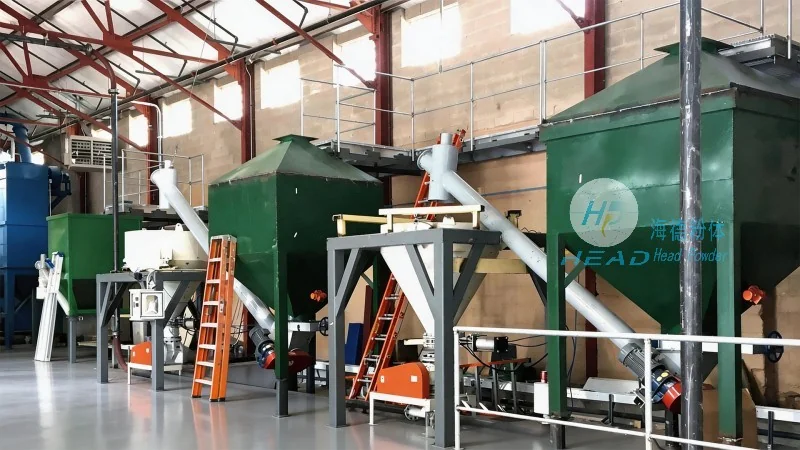
With more than 10‑year industry experience, Shandong Headpowder delivers full‑service pneumatic‑conveying systems and blowers, undertaking nationwide turn‑key powder‑handling projects.
Ammonium Monophosphate (MAP) is a critical component in the modern agricultural sector, widely utilized as a high-efficiency nitrogen and phosphorus fertilizer. Given its widespread application, the logistics and handling of this material are paramount to ensuring operational efficiency and product integrity. Traditional methods of material handling, such as belt conveyors or manual bagging, often fall short in meeting the rigorous demands of large-scale chemical processing. This is where specialized systems become essential. A robust phosphate fertilizer handling strategy relies heavily on the implementation of a sophisticated phosphate monoammonium pneumatic conveying system. These systems are engineered to transport dry, free-flowing powders with precision, minimizing material loss and maximizing throughput. By utilizing air pressure to move the granules through a closed pipeline, these systems address the inherent challenges of dust generation, cross-contamination, and environmental exposure that are prevalent in fertilizer production facilities.
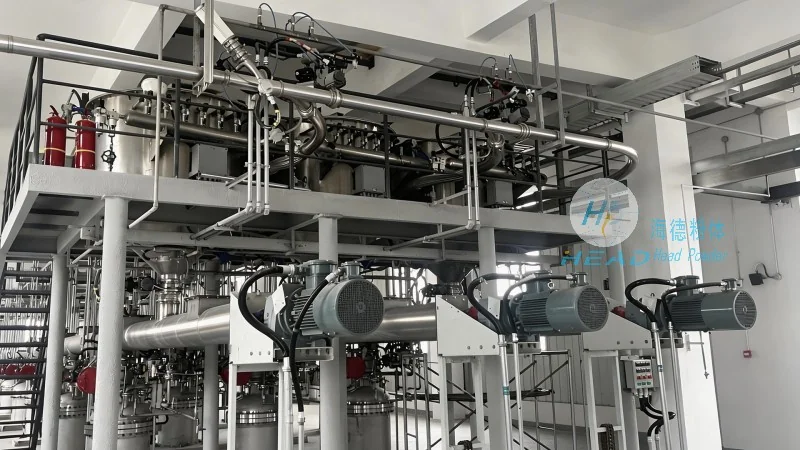
Selecting the right partner for material handling infrastructure is a decision that impacts the entire production lifecycle. As a leading phosphate monoammonium pneumatic conveying manufacturer, Shandong Headpowder Engineering Co., Ltd. brings decades of technical expertise to the table. Our focus is not merely on selling equipment, but on providing a comprehensive service that covers the entire lifecycle of the project. We understand that every fertilizer plant has unique spatial constraints, production speeds, and chemical specifications. Therefore, our team of engineers works closely with clients to analyze their specific workflow, ensuring that the proposed machinery integrates seamlessly into existing operations. We prioritize safety protocols and regulatory compliance, ensuring that the handling of sensitive chemical powders meets international standards for industrial hygiene and environmental protection.
Standardized equipment rarely solves complex industrial problems. This is why phosphate monoammonium pneumatic conveying solutions must be customized to fit the specific architecture of the plant. At Shandong Headpowder Engineering Co., Ltd., we reject the "one-size-fits-all" approach. Our customization process begins with a detailed site survey and flow analysis. We consider factors such as the distance between the raw material storage and the packaging unit, the elevation changes in the facility, and the required output capacity. Whether the requirement is a simple vertical lift or a complex horizontal distribution network, our engineers design a system that optimizes air-to-material ratios to prevent pipe blockages and ensure smooth, continuous flow. This tailored approach ensures that the client receives a system that is not only efficient but also cost-effective in the long run.
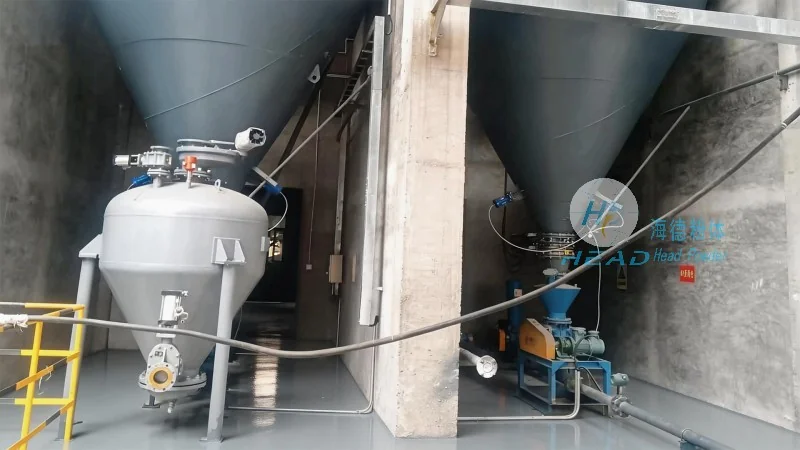
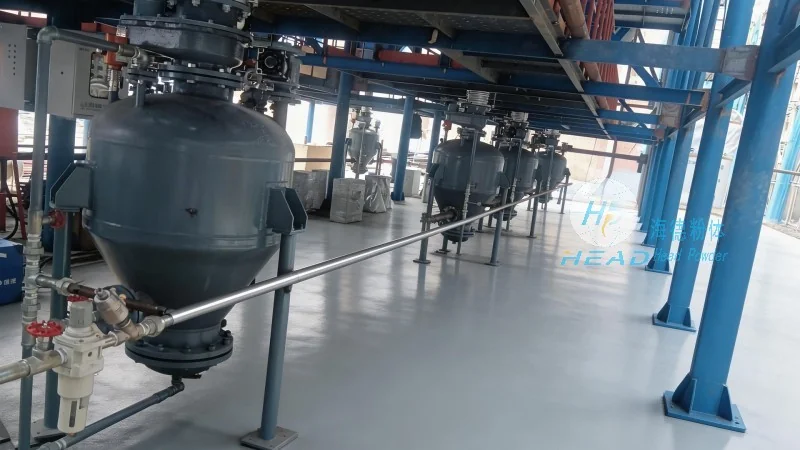
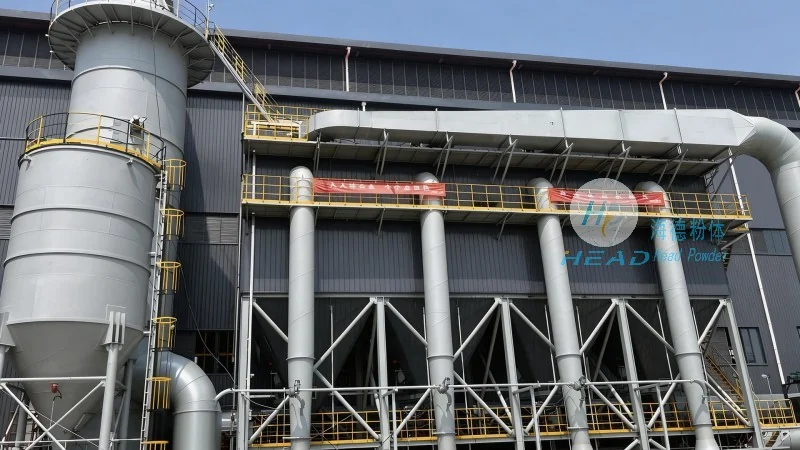
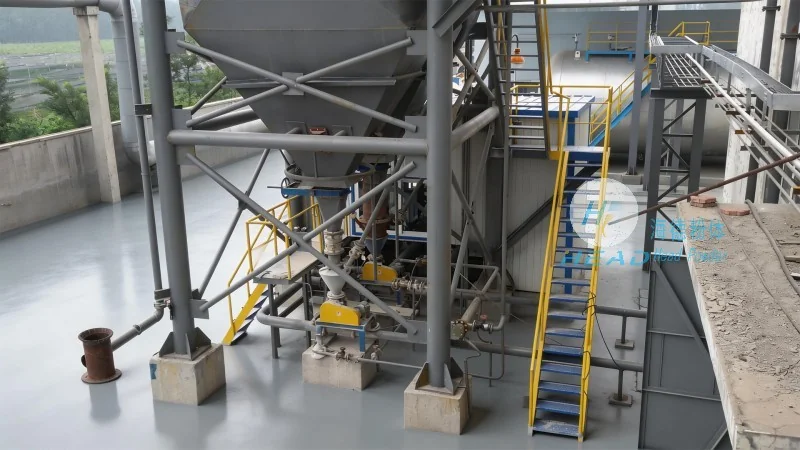
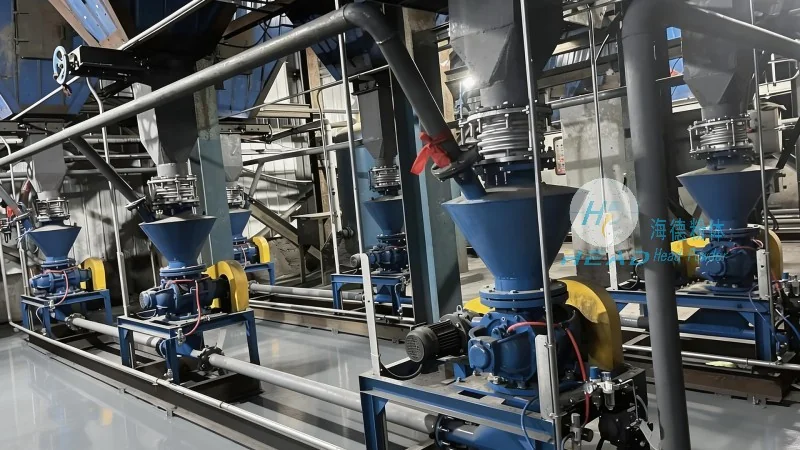
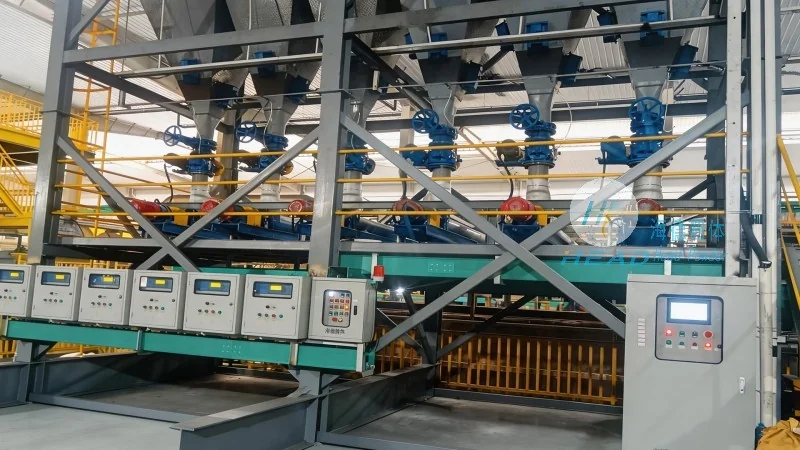
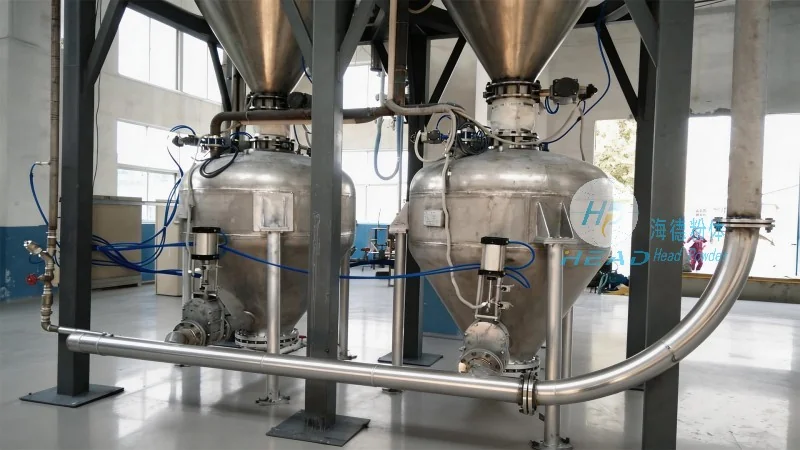
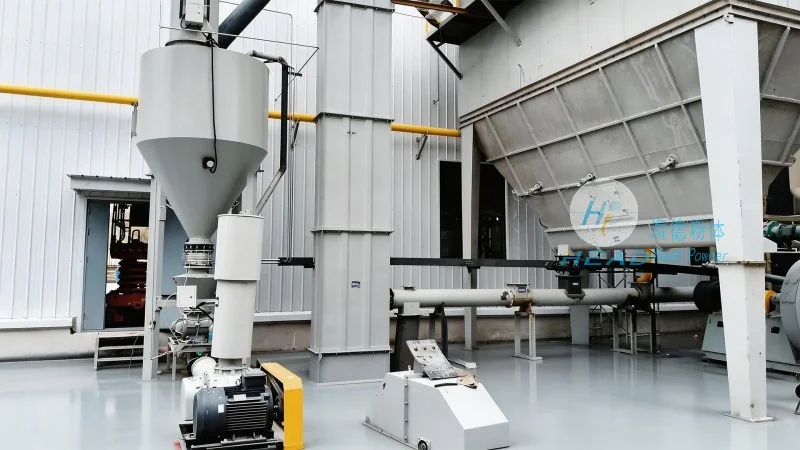
A high-performance phosphate monoammonium conveying system is comprised of several critical components working in unison. The system typically includes a high-pressure air compressor, a fluidizing device, a pipeline network, and a dust separation unit. Our equipment is constructed from high-grade stainless steel and wear-resistant alloys, ensuring durability even when handling abrasive materials. One of the primary advantages of our systems is the reduction of dust emissions. In the production of fertilizers, dust control is a significant concern for both worker health and environmental compliance. Our pneumatic conveyors operate in a closed-loop environment, effectively trapping dust at the source. Furthermore, the automation of the process reduces the need for manual labor, significantly lowering the risk of workplace accidents associated with handling heavy sacks or operating moving belts.
Located in Shandong, China, Shandong Headpowder Engineering Co., Ltd. has established itself as a premier entity in the field of powder handling technology. We are dedicated to the research, development, and manufacturing of advanced conveying machinery. Our facility is equipped with state-of-the-art testing rigs that allow us to validate the performance of our systems before they are deployed in the field. We pride ourselves on our technical support team, which is available around the clock to assist clients with installation, troubleshooting, and maintenance. Our commitment to quality is reflected in our ISO certifications and our track record of successful installations across various industrial sectors. By choosing us, clients gain access to a wealth of technical knowledge and a commitment to continuous innovation.
Investing in a pneumatic conveying system is a significant capital expenditure that requires careful consideration of return on investment (ROI). Our systems are designed to be energy-efficient, reducing utility costs over the operational lifespan of the machinery. We also offer comprehensive after-sales service, including spare parts supply and operator training, ensuring that your team can maintain the equipment with ease. Our phosphate monoammonium pneumatic conveying manufacturer status allows us to offer competitive pricing without compromising on quality. We believe in building long-term relationships with our clients, serving as a reliable partner in their growth and operational success. Whether you are upgrading an existing facility or building a new one from the ground up, our solutions are scalable and adaptable to future expansion needs.
If you are looking to optimize your fertilizer production line or require a reliable material handling solution, please do not hesitate to reach out to our team. Our experienced project managers are ready to provide you with a detailed consultation and a customized proposal tailored to your specific requirements. For direct inquiries, please contact Mr. Zhang, the contact person at our company. You can reach him via WeChat at 15662777102. We look forward to the opportunity to discuss how Shandong Headpowder Engineering Co., Ltd. can assist you in achieving superior operational efficiency.

 Shandong Headpowder Engineering Co., Ltd.
 156-6277-7102(Manager Zhang)
  0531-83386006
  Zhangqiu District, Jinan City, Shandong Province, China
telephone
WeChatconsult
top