With more than 10‑year industry experience, Shandong Headpowder delivers full‑service pneumatic‑conveying systems and blowers, undertaking nationwide turn‑key powder‑handling projects.
In the rapidly evolving industrial landscape of South America, the city of Manaus in Brazil stands out as a critical hub for manufacturing and resource processing. As industrial activities expand, the efficient management and transportation of bulk solid materials have become paramount. A significant challenge faced by facilities in this region is the safe and hygienic handling of solid waste and fine powders. To address this, Shandong Headpowder Engineering Co., Ltd. successfully executed a specialized project in Manaus, implementing a robust pneumatic conveying system designed to streamline operations. This initiative represents a significant milestone in the region's infrastructure development, offering a reliable solution for material logistics.
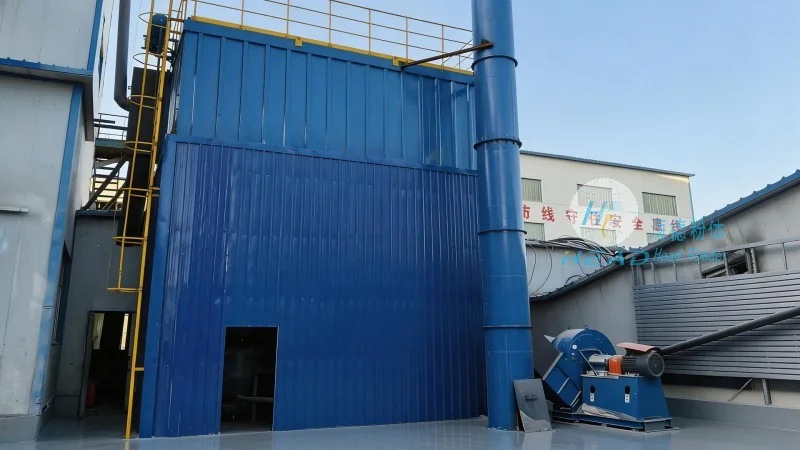
The project in Manaus was not merely about moving materials from point A to point B; it was about creating a closed-loop system that enhances safety and environmental compliance. The client required a technology capable of handling specific solid waste characteristics, including varying particle sizes and moisture content, without compromising the integrity of the surrounding environment. Shandong Headpowder Engineering Co., Ltd. rose to this challenge by deploying a customized approach tailored to the specific geographical and climatic conditions of the Amazon basin. The installation of this system has allowed the facility to significantly reduce manual handling, thereby lowering labor costs and minimizing the risk of workplace accidents associated with dust exposure and heavy lifting.
At the heart of this successful engineering feat is the utilization of advanced **bulk cement pump pneumatic conveying** technology. This method relies on the principle of using air pressure to push dry bulk materials through a pipeline. Unlike traditional mechanical conveyors, which rely on moving belts or screws that can cause material degradation, pneumatic conveying is gentle on the product. For a project involving solid waste and fine powders, this preservation of material integrity is crucial, especially when the material is intended for recycling or further processing.
The system designed by Shandong Headpowder Engineering Co., Ltd. features a series of high-pressure pumps that generate the necessary force to propel the material through the pipeline network. These pumps are engineered to handle high volumes efficiently, ensuring a continuous flow of materials from the storage silos to the end-use points. The technology employed is particularly effective for long-distance transportation, a common requirement in large industrial complexes. By maintaining a constant positive pressure within the system, the bulk cement pump ensures that there is no backflow or leakage, maintaining a completely sealed environment. This sealing capability is essential for handling hazardous or fine powders, preventing them from escaping into the atmosphere and ensuring adherence to strict environmental regulations.
This project serves as a prime example of **Latin America pneumatic conveying** capabilities, demonstrating that high-quality engineering solutions can be effectively deployed in diverse global markets. The logistics of bringing such sophisticated machinery to Brazil involved meticulous planning and coordination. Shandong Headpowder Engineering Co., Ltd. managed the entire supply chain, from the manufacturing of components in Shandong, China, to the final installation and commissioning in Manaus. This end-to-end service ensures that the client receives a turnkey solution that is ready for immediate operation.
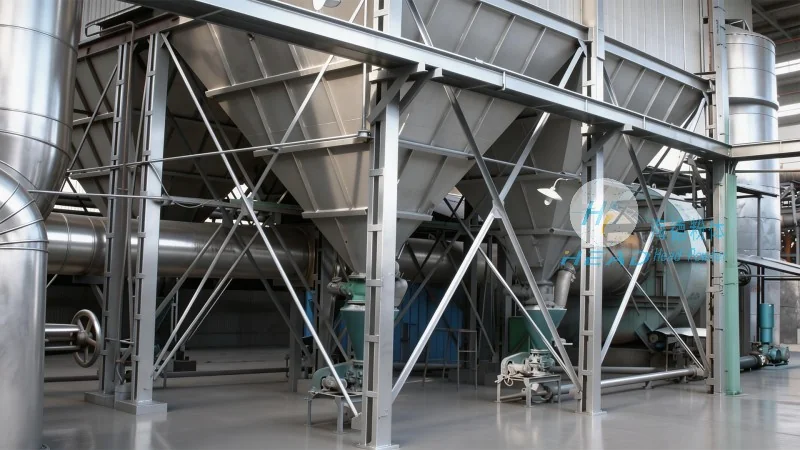
The adaptability of the pneumatic conveying system was tested against the unique challenges of the Manaus location. The region is known for its high humidity and tropical climate, conditions that can sometimes affect the performance of standard equipment. However, the materials and coatings used in the Shandong Headpowder systems are resistant to corrosion and moisture, ensuring longevity and consistent performance. The project highlights the versatility of pneumatic conveying technology, proving it is an ideal choice for industrial facilities looking to modernize their material handling infrastructure. By implementing this system, the Manaus facility has set a new standard for operational efficiency in the region.
Choosing Shandong Headpowder Engineering Co., Ltd. for this project provided the client with several distinct advantages. The **bulk cement pump pneumatic conveying** system offers superior cleaning efficiency, which is vital for facilities dealing with solid waste and recycling materials. The system can be easily purged between different material types, preventing cross-contamination. Furthermore, the design minimizes the footprint of the machinery, which is often a constraint in older industrial plants looking to upgrade without demolishing existing structures.
Another critical benefit is the energy efficiency of the system. While pneumatic conveying requires significant air compression, modern designs optimize energy usage through variable frequency drives and efficient compressor integration. Shandong Headpowder Engineering Co., Ltd. focuses on sustainable engineering, ensuring that the energy consumption of the system is as low as possible while maintaining high throughput. The reliability of the system is also a key selling point; with fewer moving parts compared to mechanical conveyors, the maintenance requirements are reduced, leading to lower downtime and lower operational costs over the lifecycle of the equipment.
Shandong Headpowder Engineering Co., Ltd. is a leading enterprise dedicated to the research, development, and manufacturing of pneumatic conveying equipment. Based in Shandong, China, the company has built a reputation for excellence in the engineering of **bulk cement pump pneumatic conveying** systems and related material handling technologies. With years of experience in the field, the company has successfully delivered numerous projects across various industries, including cement, chemical, food, and environmental waste management.
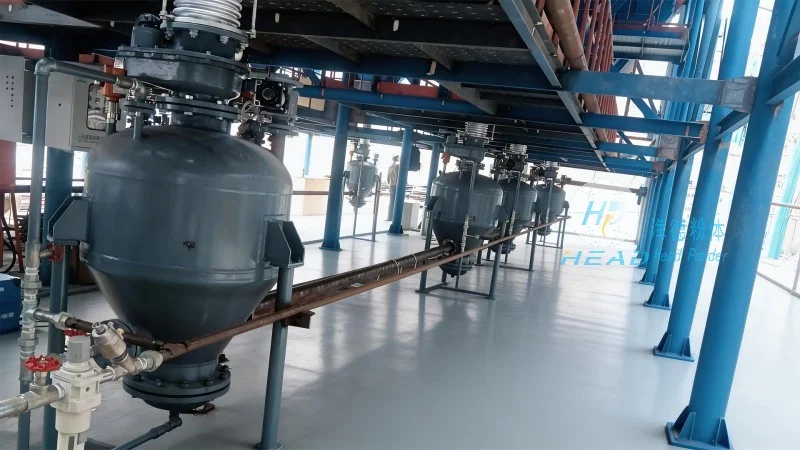
The company’s philosophy is rooted in innovation and customer satisfaction. They understand that every project is unique, requiring a tailored approach to engineering. Whether it is a small-scale facility or a large industrial complex, Shandong Headpowder Engineering Co., Ltd. provides comprehensive solutions that address the specific needs of the client. Their expertise in **Latin America pneumatic conveying** projects, such as the one in Manaus, showcases their ability to adapt to international standards and local conditions. The company’s commitment to quality is evident in every component they supply, from the pumps and valves to the piping and control systems.
The successful completion of the solid waste pneumatic conveying project in Manaus, Brazil, stands as a testament to the expertise of Shandong Headpowder Engineering Co., Ltd. This project not only improved the operational efficiency of the client’s facility but also set a benchmark for environmental responsibility in the region. By leveraging state-of-the-art **bulk cement pump pneumatic conveying** technology, the company has provided a sustainable solution that meets the rigorous demands of modern industry.
For industries in South America and beyond seeking reliable material handling solutions, Shandong Headpowder Engineering Co., Ltd. offers the technical know-how and engineering prowess required to succeed. Their portfolio of successful **Latin America pneumatic conveying** cases continues to grow, reinforcing their position as a trusted partner in the global engineering sector.
For more details regarding this project or to discuss potential requirements for pneumatic conveying systems, interested parties are encouraged to reach out directly. The project manager, Mr. Zhang, is available to provide expert consultation and technical support. To facilitate immediate communication, clients can connect via WeChat using the following number: 15662777102. Shandong Headpowder Engineering Co., Ltd. looks forward to collaborating with partners to build efficient and sustainable material handling infrastructure worldwide.

 Shandong Headpowder Engineering Co., Ltd.
 156-6277-7102(Manager Zhang)
  0531-83386006
  Zhangqiu District, Jinan City, Shandong Province, China
telephone
WeChatconsult
top