With more than 10‑year industry experience, Shandong Headpowder delivers full‑service pneumatic‑conveying systems and blowers, undertaking nationwide turn‑key powder‑handling projects.
The industrial landscape of India, particularly in the region of Surat, is characterized by rapid urbanization and a robust growth in manufacturing and power generation sectors. As industrial activities expand, the management of by-products such as fly ash becomes a critical challenge. Dust control, environmental compliance, and efficient material handling are paramount for modern industrial facilities. In response to these demands, Shandong Headpowder Engineering Co., Ltd. successfully executed a specialized project designed to streamline the handling of fly ash. This initiative represents a significant milestone in the field of industrial material transport, offering a robust solution tailored to the specific environmental and operational requirements of the Indian market. The project highlights the capability of advanced engineering to solve complex logistical problems in heavy industries.
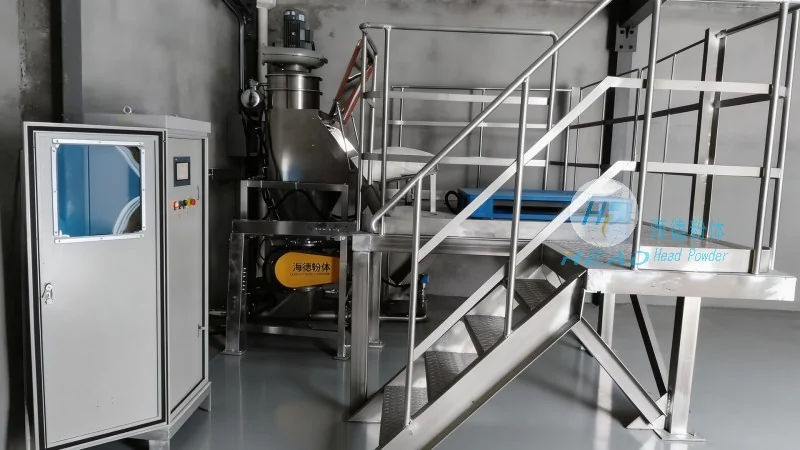
At the heart of this successful implementation is the utilization of **negative pressure pneumatic conveying** technology. Unlike traditional mechanical conveying methods that rely on moving parts and belts which are prone to wear and tear, this system operates on a vacuum principle. In a **negative pressure pneumatic conveying** system, a powerful vacuum source generates a pressure differential that pulls the fly ash through a closed pipeline network. This method ensures that the material is transported from the source point to the destination point without ever being exposed to the external environment. By keeping the system sealed, it effectively eliminates the risk of dust leakage, which is a common issue in open conveyor systems. This is particularly vital when handling fine, powdery materials like fly ash, where airborne particles can pose health risks to workers and environmental hazards to the surrounding area.
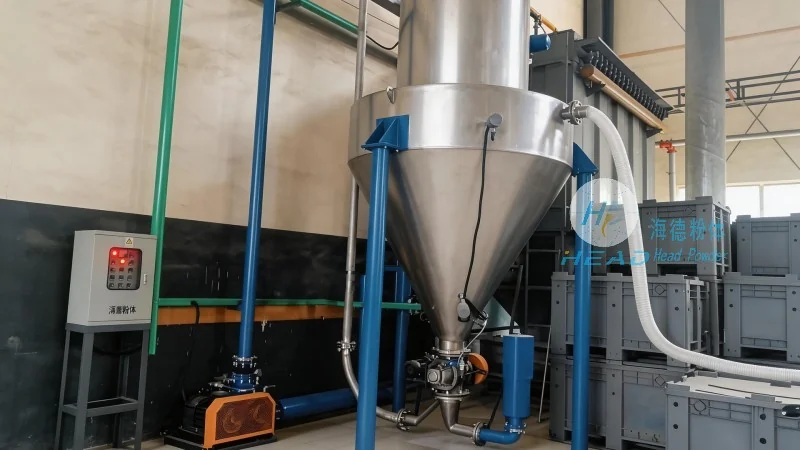
The execution of this project was managed by Shandong Headpowder Engineering Co., Ltd., a company headquartered in Shandong, China, renowned for its expertise in powder handling solutions. With a strong reputation built on years of experience, the company has established itself as a leader in providing reliable and efficient systems. This Surat project serves as a prime **air conveying case** that demonstrates the company's ability to deliver high-quality engineering solutions across international borders. The engineering team focused on customizing the system to withstand the specific climatic and operational conditions of the site, ensuring durability and long-term performance. The success of this collaboration underscores the company's commitment to quality and its understanding of the nuances involved in international project management.
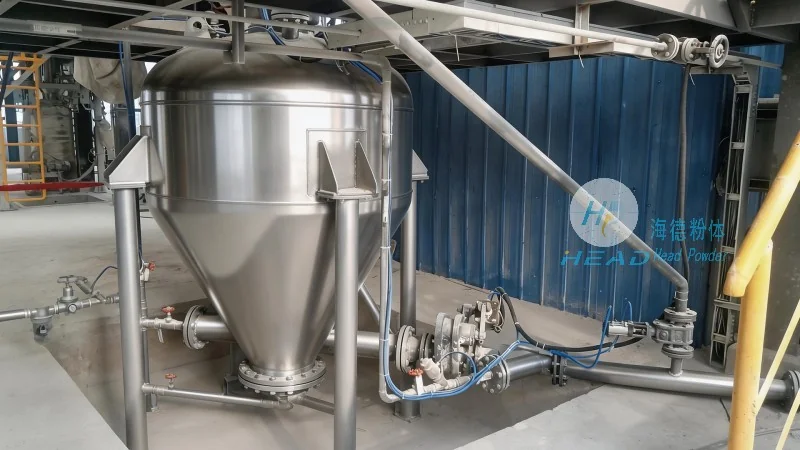
The selection of a **negative pressure pneumatic conveying** system for this project was driven by its suitability for the South Asian context. The region often faces challenges related to high humidity and varying ambient temperatures, which can affect the flow properties of powders. The **negative pressure pneumatic conveying** method is highly effective in managing these variations, as the system's closed-loop design prevents moisture ingress and maintains consistent material flow. Furthermore, the technology aligns with the growing emphasis on sustainable industrial practices in the region. By reducing dust emissions and improving energy efficiency, the system helps industries meet stringent environmental regulations. Shandong Headpowder Engineering Co., Ltd. has tailored these **South Asian pneumatic conveying** solutions to be robust, cost-effective, and environmentally friendly, making them the preferred choice for modern industrial plants.
The technical implementation of the project involved a comprehensive range of components working in harmony to ensure seamless operations. The system includes a high-efficiency vacuum pump, specialized feeding hoppers, and a series of filtration units designed to capture any residual dust before the air is exhausted. The piping network is constructed from high-grade materials resistant to abrasion and corrosion, ensuring a long service life even when handling abrasive materials like fly ash. The control panel is equipped with advanced automation features that allow for real-time monitoring of pressure levels and flow rates. This level of automation minimizes the need for manual intervention, reducing labor costs and increasing overall safety. The efficiency of the **negative pressure pneumatic conveying** system translates to faster cycle times and higher throughput, significantly boosting the productivity of the facility.
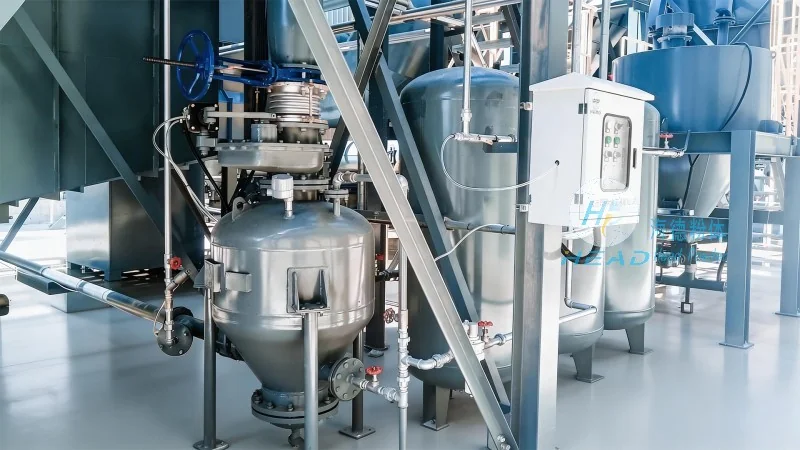
This project in Surat stands as a testament to the effectiveness of modern pneumatic conveying technology in solving industrial material handling challenges. It provides a clear blueprint for how **negative pressure pneumatic conveying** can be integrated into existing infrastructure to enhance safety, efficiency, and environmental compliance. For industries looking to upgrade their material handling capabilities, this case study offers valuable insights into the benefits of professional engineering solutions. If you are seeking a reliable partner to design and implement a custom pneumatic conveying system, Shandong Headpowder Engineering Co., Ltd. is ready to assist. You may contact our project manager, Mr. Zhang, for detailed consultations and quotations. You can reach us via WeChat at 15662777102 to discuss your specific requirements and explore how our **air conveying case** studies can benefit your operations.

 Shandong Headpowder Engineering Co., Ltd.
 156-6277-7102(Manager Zhang)
  0531-83386006
  Zhangqiu District, Jinan City, Shandong Province, China
telephone
WeChatconsult
top