HeadPowder, a leading engineering firm based in Shandong, China, specializes in the design, manufacturing, and installation of advanced pneumatic conveying systems tailored for handling PTA powder. This article provides a comprehensive overview of the equipment, its structural components, and the underlying principles that enable efficient and reliable material transport.
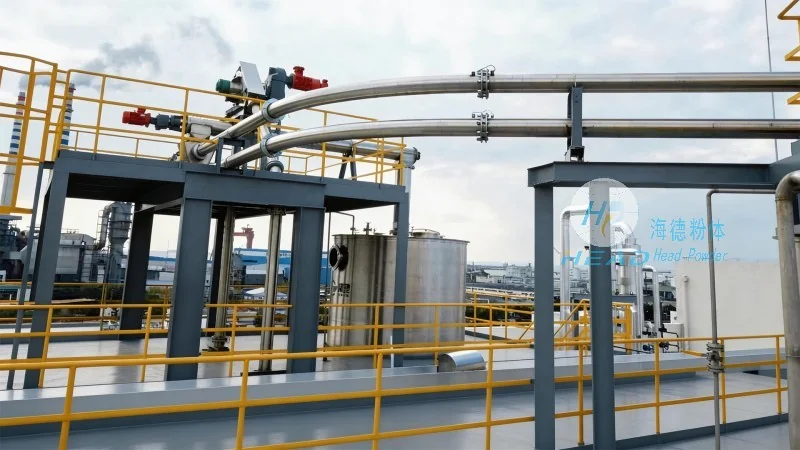
Overview of PTA Powder Pneumatic Conveying Systems
PTA (Polyethylene Terephthalate Acid) powder is a critical raw material in the production of polyester fibers and resins. Traditional handling methods for PTA powder often involve complex and costly equipment, such as bucket elevators or screw conveyors, which may lead to material degradation, high maintenance costs, and safety hazards. Pneumatic conveying systems offer a more efficient and hygienic solution by utilizing air to transport the powder through a sealed pipeline network. These systems are particularly advantageous for PTA powder due to its fine particle size and sensitivity to moisture and contamination.
Key Structural Components of the PTA Powder Pneumatic Conveying System
The PTA powder pneumatic conveying system consists of several interconnected components that work in harmony to achieve seamless material transport. The primary components include:
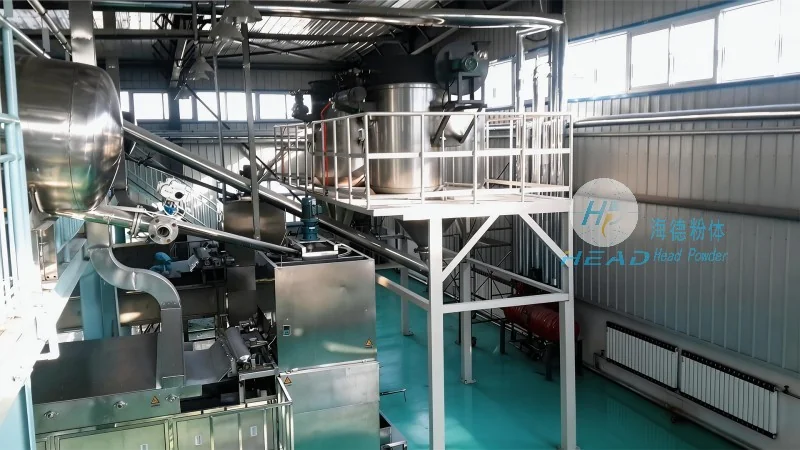
- Feeder Unit: This component is responsible for accurately metering and feeding the PTA powder into the conveying line. It ensures a consistent flow rate, which is crucial for maintaining system efficiency and preventing blockages. The feeder typically features a hopper with a controlled discharge mechanism, such as a rotary valve or a star feeder, to regulate the material input.
- Pneumatic Conveying Pipe: The pipeline network forms the backbone of the system, transporting the PTA powder from the feeder to the destination point. The pipes are usually made of stainless steel or other corrosion-resistant materials to withstand the chemical properties of PTA powder and prevent contamination. The design of the pipe system includes bends, elbows, and straight sections, all optimized to minimize pressure loss and ensure smooth material flow.
- Air Supply System: Compressors and air treatment units provide the necessary air pressure and quality for the conveying process. The air supply system includes filters to remove moisture and particulates, ensuring that the conveying medium is clean and free from contaminants that could affect the PTA powder quality. The pressure and flow rate of the air are carefully controlled to match the conveying requirements of the PTA powder.
- Control and Monitoring System: Modern pneumatic conveying systems are equipped with advanced control panels and sensors to monitor key parameters such as pressure, flow rate, and temperature. This allows for real-time adjustments and ensures the system operates within optimal conditions. The control system may also include alarms and safety features to prevent overpressure or other operational issues.
- Receiving and Discharge Equipment: At the end of the conveying line, the PTA powder is discharged into a receiving hopper or storage tank. The discharge equipment, such as a rotary valve or a surge bin, regulates the outflow of the powder, preventing spillage and ensuring a steady supply to downstream processes. The receiving equipment is designed to maintain the integrity of the PTA powder, minimizing segregation and agglomeration.
Working Principles of the PTA Powder Pneumatic Conveying System
The operation of the PTA powder pneumatic conveying system is based on the principle of air suspension, where the PTA powder particles are entrained and transported by the moving air stream within the pipeline. The process can be broadly categorized into two main modes: dilute phase and dense phase conveying.
In dilute phase conveying, the PTA powder is suspended in the air stream at a relatively low concentration, typically 1-10% by weight. The air velocity is high enough to keep the powder particles airborne, and the system operates at lower pressure (usually 0.5-2 bar). This mode is suitable for short to medium distance transport and is commonly used for handling fine powders like PTA. The dilute phase system offers advantages such as lower energy consumption, simpler design, and easier maintenance.
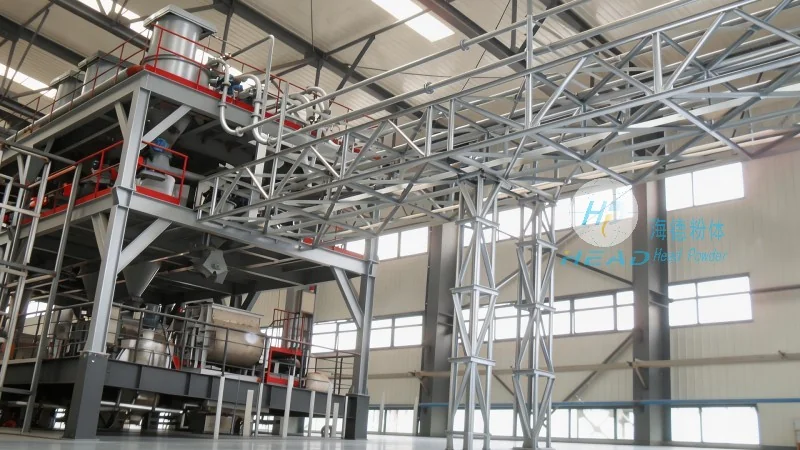
In dense phase conveying, the PTA powder is transported at a higher concentration (10-50% by weight) with a lower air velocity. The system operates at higher pressure (2-8 bar) and is used for longer distance transport or when the powder requires gentle handling to prevent degradation. The dense phase mode provides better control over the material flow and reduces the risk of particle segregation or agglomeration.
The choice between dilute and dense phase conveying depends on factors such as the distance between the feeder and the receiving point, the required flow rate, and the sensitivity of the PTA powder to handling conditions. Both modes rely on the same fundamental principle of air suspension, but the operational parameters are adjusted to suit the specific requirements of the PTA powder.
Advantages of PTA Powder Pneumatic Conveying Systems
Implementing a pneumatic conveying system for PTA powder offers several significant advantages over traditional handling methods. These benefits include:
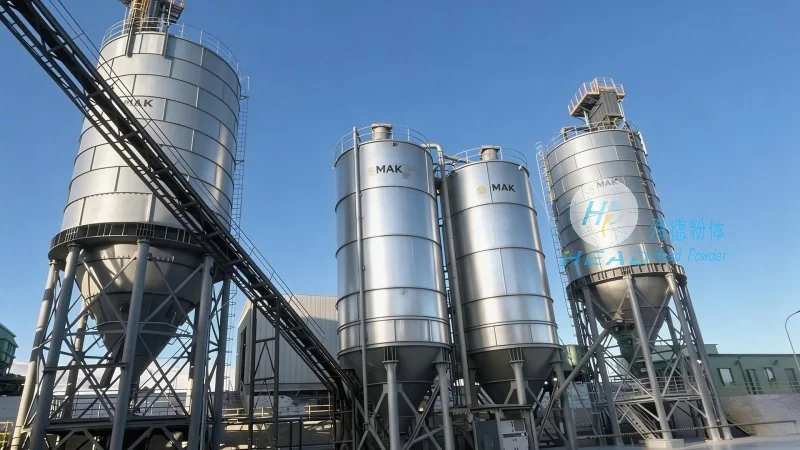
- Efficiency and Cost-Effectiveness: Pneumatic conveying systems eliminate the need for multiple transfer points and reduce labor costs associated with manual handling. The sealed pipeline design minimizes material loss and contamination, leading to lower operational costs over the long term.
- Hygienic and Clean Operation: The enclosed system prevents dust emissions and maintains a clean working environment, which is critical for PTA powder handling in food and pharmaceutical industries. The stainless steel construction ensures easy cleaning and compliance with hygiene standards.
- Reduced Maintenance: With fewer moving parts compared to mechanical conveyors, pneumatic systems experience lower wear and tear, resulting in reduced maintenance requirements and extended equipment lifespan.
- Flexibility and Scalability: The modular design of pneumatic conveying systems allows for easy expansion or reconfiguration to accommodate changes in production capacity or process requirements. This flexibility makes the system suitable for both small-scale and large-scale PTA powder handling applications.
- Enhanced Safety: The sealed pipeline design eliminates the risk of dust explosions and reduces the exposure of personnel to airborne particles. The system also includes safety features such as pressure relief valves and emergency shutdown mechanisms to protect against potential hazards.
Applications and Industries
PTA powder pneumatic conveying systems are widely used in various industries that rely on PTA as a raw material. The primary applications include:
- Polyester Manufacturing: In the production of polyester fibers and resins, PTA powder is conveyed from storage silos to reactors or processing units. The efficient transport of PTA ensures consistent material supply and improves the overall productivity of the manufacturing process.
- Chemical Processing: PTA powder is also used in the production of other chemical intermediates and additives. The pneumatic conveying system facilitates the transfer of PTA between different processing stages, ensuring a smooth and continuous flow of materials.
- Pharmaceutical and Food Industries: Although less common for PTA, the hygienic design of pneumatic conveying systems makes them suitable for handling other fine powders in the pharmaceutical and food sectors. The system's ability to maintain product purity and prevent contamination is highly valued in these industries.
Conclusion
PTA powder pneumatic conveying systems represent a sophisticated and efficient solution for handling fine powders in industrial applications. The combination of advanced structural components and working principles ensures reliable and cost-effective material transport. HeadPowder, with its expertise in engineering and manufacturing, provides tailored solutions that meet the specific needs of PTA powder handling, contributing to improved productivity and operational efficiency for its clients in Shandong and beyond.

 Shandong Headpowder Engineering Co., Ltd.
 156-6277-7102(Manager Zhang)
  0531-83386006
  Zhangqiu District, Jinan City, Shandong Province, China