HeadPowder, a leading engineering company based in Shandong, China, specializes in the design, manufacturing, and installation of advanced pneumatic conveying systems tailored for various industrial applications. This article provides an overview of copper ore sand pneumatic conveying systems, focusing on their structural design and operational principles.
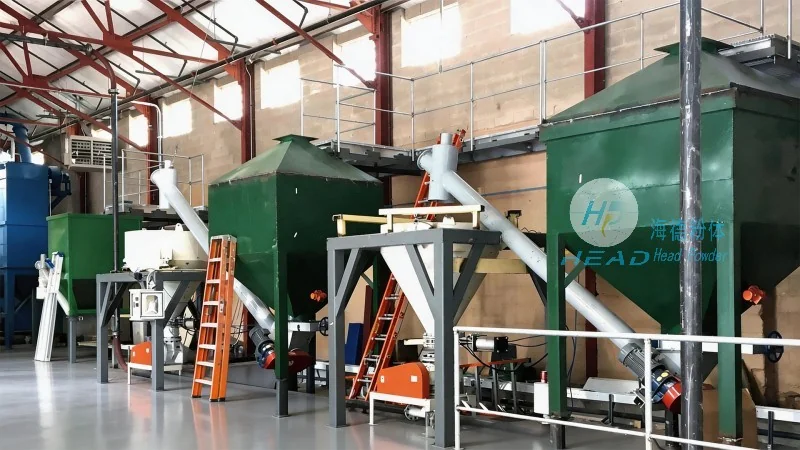
Overview of Copper Ore Sand Pneumatic Conveying Systems
Copper ore sand pneumatic conveying systems are essential for efficiently transporting copper ore sand from storage facilities to processing units or other destinations within a mining operation. These systems utilize compressed air or other gas streams to move the ore sand through a network of pipes, eliminating the need for mechanical components like belts or buckets that are common in traditional conveyor systems. The design of these systems is critical to ensure reliable, low-maintenance operation while handling the abrasive and heavy nature of copper ore sand.
Key Structural Components of Pneumatic Conveying Systems
The core components of a copper ore sand pneumatic conveying system include the following elements, each playing a vital role in the overall functionality:
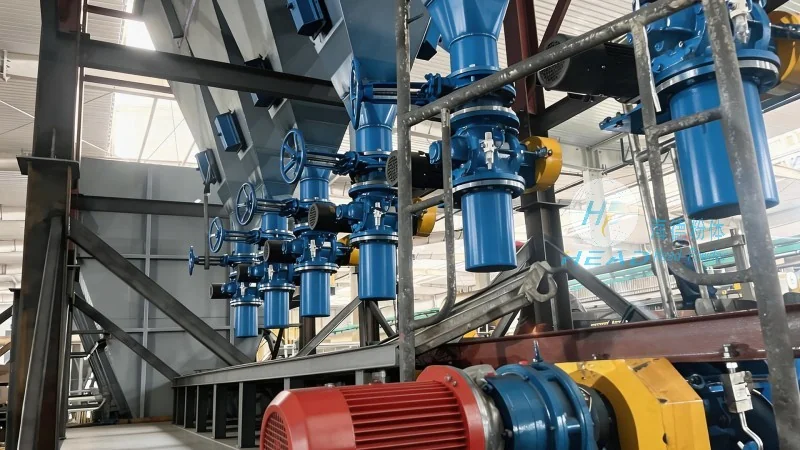
- Feeder Unit: This component is responsible for feeding the copper ore sand into the conveying line at a controlled rate. The feeder is designed to handle the bulk density and flow characteristics of the ore sand, ensuring a consistent feed to the system.
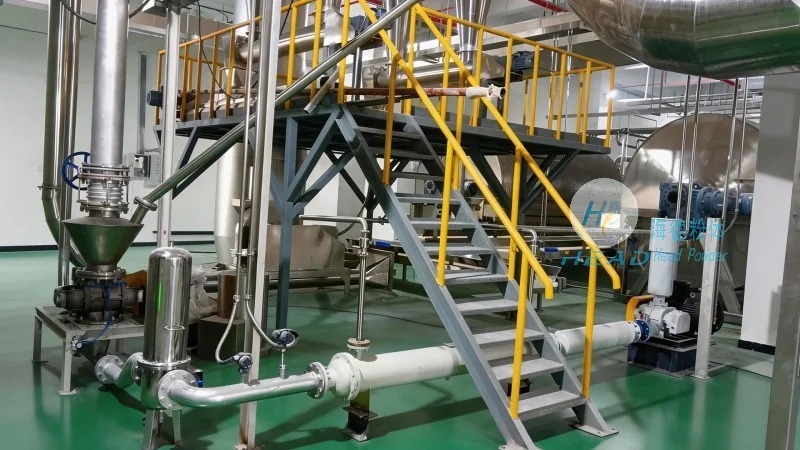
- Pneumatic Conveying Pipe: The main body of the system, the conveying pipe is typically made from high-strength materials such as stainless steel or corrosion-resistant alloys to withstand the abrasive nature of copper ore sand and prevent material buildup or blockages.
- Compressor and Air Treatment System: The compressor generates the necessary air pressure to move the ore sand through the pipe. The air treatment system, which includes filters and dryers, ensures that the air used is clean and dry, preventing contamination of the ore sand and reducing wear on system components.
- Control and Monitoring System: This system manages the operation of the pneumatic conveying equipment, including pressure regulation, flow rate control, and alarm functions. It allows operators to monitor the system's performance in real-time and take corrective actions if issues arise.
- Receiving and Discharge Equipment: At the destination point, the system includes equipment to safely discharge the ore sand. This may include hoppers, silos, or other storage vessels, with proper sealing to prevent dust emissions and maintain material integrity.
Working Principles of Pneumatic Conveying
The operation of a copper ore sand pneumatic conveying system is based on the principle of fluidization and drag flow. In this process, compressed air is introduced into the conveying pipe at a high velocity, creating a turbulent flow that lifts and transports the ore sand particles. The air velocity is carefully controlled to ensure that the ore sand is fully suspended in the air stream without causing excessive pressure drop or energy consumption.
There are two primary types of pneumatic conveying systems used for copper ore sand: dilute-phase and dense-phase. Dilute-phase systems operate at higher air velocities, moving the ore sand in a dispersed state, while dense-phase systems use lower air velocities to transport the ore sand in a more concentrated state, often with the aid of a vacuum or pressure boost. The choice between these systems depends on the specific application requirements, such as the distance to be covered, the amount of material to be transported, and the need for gentle handling of the ore sand.
Advantages of Pneumatic Conveying for Copper Ore Sand
Compared to traditional mechanical conveyor systems, copper ore sand pneumatic conveying systems offer several advantages that make them ideal for mining and processing applications:
- Reduced Maintenance: With no moving parts in the conveying line, the system requires less maintenance and has a longer service life, reducing downtime and operational costs.
- Low Energy Consumption: Modern pneumatic conveying systems are designed to be energy-efficient, with optimized air flow and pressure control that minimize energy usage while maintaining efficient material transport.
- Flexible Layout: The system can be easily reconfigured or expanded to accommodate changes in production requirements or facility layout, providing flexibility in plant design.
- Minimal Dust Emissions: Properly designed systems include dust collection and filtration components that significantly reduce airborne dust, improving workplace safety and environmental compliance.
- Gentle Material Handling: The air-based transport minimizes the impact and abrasion on the copper ore sand particles, preserving their quality and reducing the need for additional processing steps.
Application Considerations for Copper Ore Sand Pneumatic Conveying
When implementing a copper ore sand pneumatic conveying system, several factors must be considered to ensure optimal performance and longevity:
- Material Characteristics: The size, density, and abrasiveness of the copper ore sand must be evaluated to select the appropriate system design and components. For example, highly abrasive materials may require special materials of construction for the conveying pipe and fittings.
- Transport Distance and Height: The distance and vertical elevation change between the feed and discharge points affect the required air pressure and compressor capacity. Longer or steeper conveying distances may necessitate additional booster stations or higher-pressure compressors.
- System Integration: The pneumatic conveying system must be integrated with other processing equipment, such as crushers, screens, or storage silos, to ensure smooth material flow and avoid bottlenecks in the overall operation.
- Environmental Regulations: Compliance with local and national environmental regulations regarding dust control and emissions is essential. The system design should include features such as dust collection systems and sealed components to meet these requirements.
- Operational Safety: Safety considerations, including the prevention of explosions in dust-laden environments and proper ventilation, are critical. The system should be equipped with safety valves, pressure relief devices, and monitoring systems to ensure safe operation.
Conclusion
HeadPowder's copper ore sand pneumatic conveying systems represent a reliable and efficient solution for the transportation of copper ore sand in mining and processing operations. By leveraging advanced engineering and materials, these systems provide low maintenance, energy-efficient, and flexible transport solutions that meet the demanding requirements of modern industrial applications. With a focus on quality and customer satisfaction, HeadPowder continues to provide innovative solutions to enhance the productivity and safety of copper ore processing facilities worldwide.

 Shandong Headpowder Engineering Co., Ltd.
 156-6277-7102(Manager Zhang)
  0531-83386006
  Zhangqiu District, Jinan City, Shandong Province, China