With more than 10‑year industry experience, Shandong Headpowder delivers full‑service pneumatic‑conveying systems and blowers, undertaking nationwide turn‑key powder‑handling projects.
Positive pressure dense phase material pneumatic conveying lines represent a sophisticated technology in material handling, designed to efficiently transport bulk materials over considerable distances with enhanced control and reliability. This system operates by injecting compressed air into the conveying line at a pressure higher than the ambient atmospheric pressure, creating a dense phase flow where the material particles are suspended and transported in a slurry-like state. The core principle involves maintaining a consistent pressure differential to ensure smooth material movement without excessive particle separation or degradation.
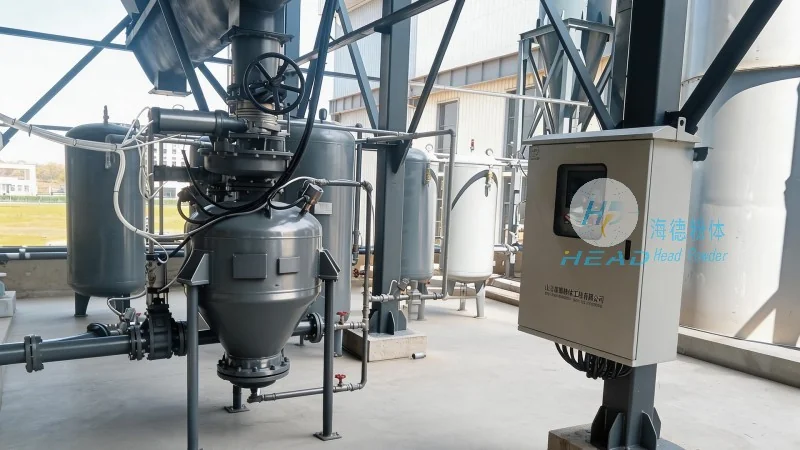
The fundamental principle of positive pressure dense phase pneumatic conveying is the creation of a high-pressure environment within the pipeline, which forces the material to move through the system. Unlike negative pressure systems that rely on suction, positive pressure systems utilize a blower or compressor to generate the necessary pressure, ensuring that the material is continuously propelled forward. The dense phase operation is achieved by controlling the air-to-material ratio, typically maintaining a ratio of 0.5 to 1.5 cubic meters of air per ton of material. This ratio is crucial as it prevents the material from becoming too dilute, which could lead to increased energy consumption and reduced conveying efficiency. The system also incorporates features such as pulse valves and flow control devices to regulate the air flow and maintain a stable conveying condition.
Positive pressure dense phase material pneumatic conveying lines are widely employed in various industrial sectors where the transport of bulk materials requires precision, minimal product degradation, and high efficiency. Common applications include the handling of powders, granules, and fine particles in industries such as pharmaceuticals, food processing, chemicals, and mining. For instance, in the pharmaceutical industry, these systems are used to convey active pharmaceutical ingredients (APIs) and excipients with strict contamination control requirements, ensuring that the materials remain intact and free from degradation during transport. In the food industry, they are utilized for transporting dry ingredients like flour, sugar, and spices, maintaining product quality and preventing caking or agglomeration. The mining sector also benefits from this technology for transporting ore and minerals from processing plants to storage or further processing facilities, where the ability to handle abrasive and heavy materials is essential.
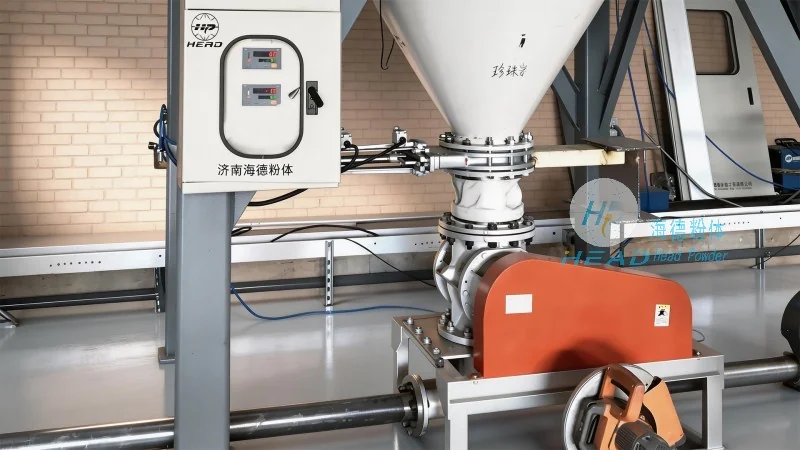
One of the primary advantages of positive pressure dense phase material pneumatic conveying lines is their ability to handle a wide range of materials, including those that are difficult to transport using traditional methods like belt conveyors or bucket elevators. These systems are particularly effective for materials that are prone to segregation, caking, or degradation under normal conditions. The dense phase flow minimizes the risk of material degradation by keeping particles in close contact with each other and the pipeline walls, reducing friction and wear. Additionally, the positive pressure operation ensures that the material is continuously moving, preventing stagnation and the formation of blockages, which can be a common issue in negative pressure systems. The system also offers better control over the conveying rate, allowing for precise adjustment to meet production demands. This flexibility makes it suitable for both continuous and batch operations, providing adaptability to varying production schedules.
When integrated into industrial processes, positive pressure dense phase material pneumatic conveying lines can significantly enhance overall operational efficiency. They are often integrated with upstream and downstream equipment such as feeders, mixers, and storage silos, creating a seamless material flow from extraction to processing. The system's ability to handle materials at high speeds and over long distances reduces the need for intermediate storage and handling, minimizing the risk of material loss or contamination. For example, in a chemical plant, the conveying line can be connected directly to a reactor or a dryer, ensuring that the raw materials are delivered in a controlled manner without interruptions. This integration also facilitates better process control, as the system can be monitored and adjusted in real-time to maintain optimal conveying conditions. The reliability of positive pressure systems, with minimal downtime due to blockages or equipment failure, contributes to improved overall equipment effectiveness (OEE) in industrial settings.
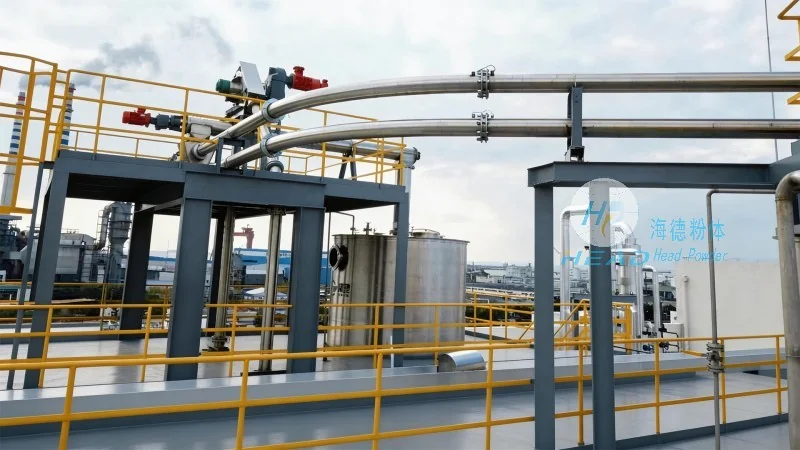
Designing and installing a positive pressure dense phase material pneumatic conveying line requires careful consideration of several factors to ensure optimal performance and longevity. The system design must account for the specific characteristics of the material being conveyed, including particle size, density, and flowability. For example, materials with high abrasiveness may require special materials for the pipeline and components to prevent wear and tear. The selection of the blower or compressor is critical, as it must be capable of maintaining the required pressure and flow rate. Additionally, the layout of the conveying line, including the number and placement of bends, valves, and pulse valves, must be optimized to minimize pressure losses and ensure smooth material flow. The installation process involves precise alignment of components and proper sealing to prevent air leaks, which could affect the system's efficiency. Regular maintenance, including cleaning of filters and checking for wear on components, is essential to maintain the system's performance over time.
In conclusion, positive pressure dense phase material pneumatic conveying lines represent a highly effective solution for the efficient and reliable transport of bulk materials in various industrial applications. The technology's ability to handle a wide range of materials, maintain product quality, and integrate seamlessly with existing processes makes it a preferred choice for many industries. As material handling requirements continue to evolve, the continued development and refinement of these systems will play a crucial role in enhancing operational efficiency and sustainability in industrial operations. The expertise and solutions provided by companies like Shandong HeadPowder Engineering Co., Ltd., based in China, are instrumental in implementing such advanced material handling systems, ensuring that industries can meet their production goals while maintaining high standards of quality and safety.

 Shandong Headpowder Engineering Co., Ltd.
 156-6277-7102(Manager Zhang)
  0531-83386006
  Zhangqiu District, Jinan City, Shandong Province, China
telephone
WeChatconsult
top