With more than 10‑year industry experience, Shandong Headpowder delivers full‑service pneumatic‑conveying systems and blowers, undertaking nationwide turn‑key powder‑handling projects.
Phosphate fertilizer powder is a critical raw material in the agricultural industry, and its efficient transportation is essential for maintaining production efficiency and product quality. The pneumatic conveying system for phosphate powder, developed by Shandong HeadPowder Engineering Co., Ltd. (referred to as HeadPowder), offers a reliable and advanced solution for handling this material. This article will explore the operation process and working principle of such a system, highlighting its key components and operational mechanisms.
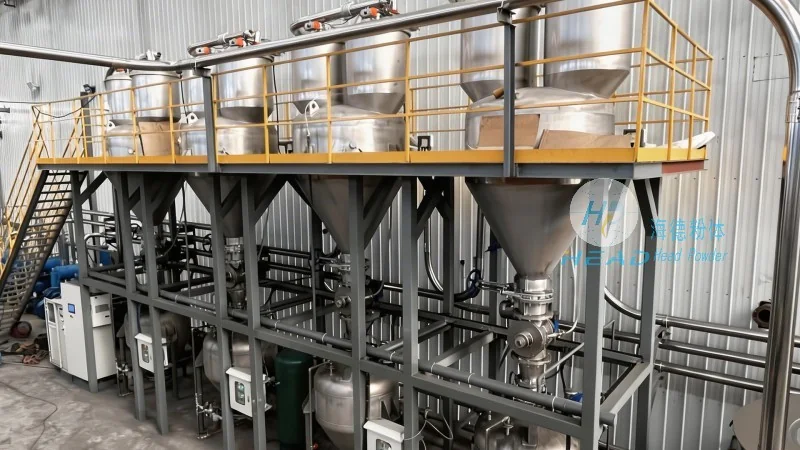
Phosphate powder pneumatic conveying systems are designed to transport dry, fine-grained materials like phosphate fertilizer powder through a pipeline using compressed air or other gas streams. These systems are widely used in the fertilizer industry due to their ability to handle abrasive and dusty materials without the need for mechanical components that might wear out or cause contamination. The system typically consists of several key components, including a hopper, feeder, air compressor, pipeline, and receiver, each playing a crucial role in the overall operation.
The core components of a phosphate powder pneumatic conveying system include:
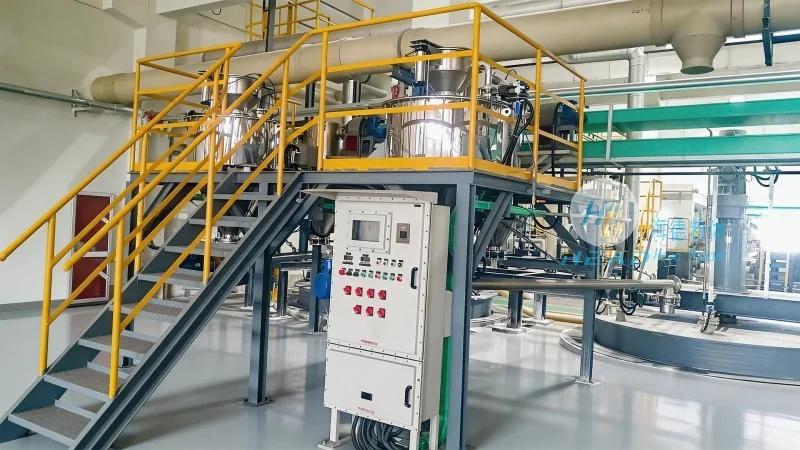
The operation of a phosphate powder pneumatic conveying system follows a systematic process, which can be broken down into several stages:
The entire operation process of the phosphate powder pneumatic conveying system can be summarized as follows:
1. The phosphate powder is stored in the hopper, which is equipped with a level indicator to monitor the material inventory. 2. The feeder, controlled by a programmable logic controller (PLC), adjusts the feed rate based on the system's demand and the hopper level. 3. The air compressor, operating at a set pressure (usually 5-10 bar), supplies compressed air to the pipeline. 4. The compressed air is introduced into the feeder, creating a vacuum that pulls the powder into the air stream. 5. The powder-air mixture travels through the pipeline, with the air velocity maintaining the powder in suspension. 6. The mixture reaches the receiver, where a cyclone or filter separates the powder from the air. 7. The separated powder is collected in the receiver, while the air is either vented or recycled to the system. 8. The system continuously monitors key parameters such as pressure, flow rate, and temperature to ensure stable operation and detect any abnormalities.
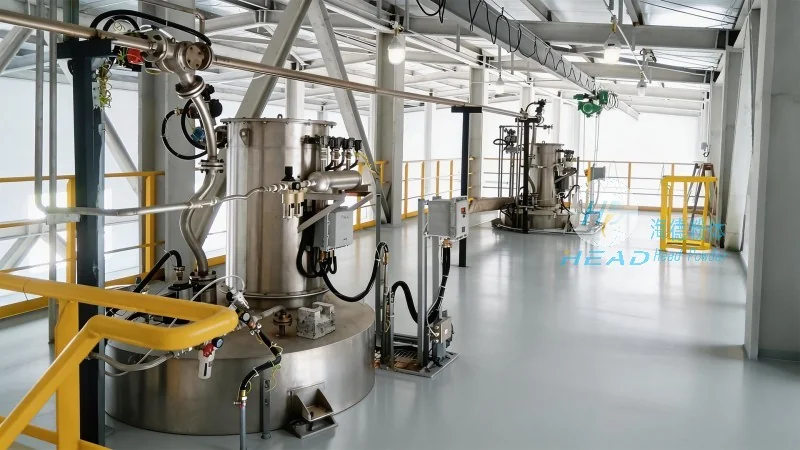
Shandong HeadPowder Engineering Co., Ltd. has developed advanced pneumatic conveying systems that offer several advantages over traditional mechanical conveying methods:
The pneumatic conveying system for phosphate powder, as developed by Shandong HeadPowder Engineering Co., Ltd., represents a sophisticated and efficient solution for handling this critical agricultural material. By understanding the operation process and working principle of such a system, users can appreciate the benefits of this technology in maintaining production efficiency, product quality, and environmental compliance. HeadPowder's expertise in engineering and manufacturing ensures that these systems are tailored to meet the specific needs of phosphate fertilizer production facilities, providing reliable and durable solutions for material handling challenges.

 Shandong Headpowder Engineering Co., Ltd.
 156-6277-7102(Manager Zhang)
  0531-83386006
  Zhangqiu District, Jinan City, Shandong Province, China
telephone
WeChatconsult
top