With more than 10‑year industry experience, Shandong Headpowder delivers full‑service pneumatic‑conveying systems and blowers, undertaking nationwide turn‑key powder‑handling projects.
Textile fiber material conveying lines are essential components in the textile manufacturing industry, designed to efficiently transport raw materials such as cotton, polyester, and other fibers from storage areas to processing machines. These systems ensure smooth workflow, reduce manual handling, and enhance overall production efficiency. The operation of these lines involves a series of integrated mechanisms that work in harmony to achieve seamless material transfer.
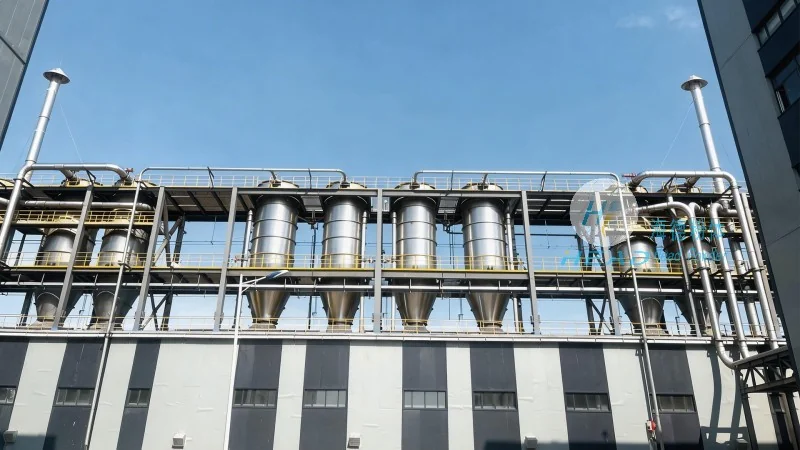
HeadPowder, a leading manufacturer in the field, specializes in developing and supplying high-quality textile fiber material conveying lines. With a strong commitment to innovation and customer satisfaction, the company has established itself as a trusted partner for textile manufacturers worldwide. HeadPowder's facilities are located in Shandong, China, where advanced technology and skilled engineering teams ensure the production of reliable and durable conveying systems.
A typical textile fiber material conveying line consists of several critical components, each playing a vital role in the overall operation. These include feed hoppers, which hold the raw fibers and control the flow rate; conveyor belts or rollers that transport the fibers along the designated path; and control systems that monitor and adjust the speed and direction of the material movement. Additionally, dust collection systems are often integrated to maintain a clean and safe working environment, which is crucial in textile processing.
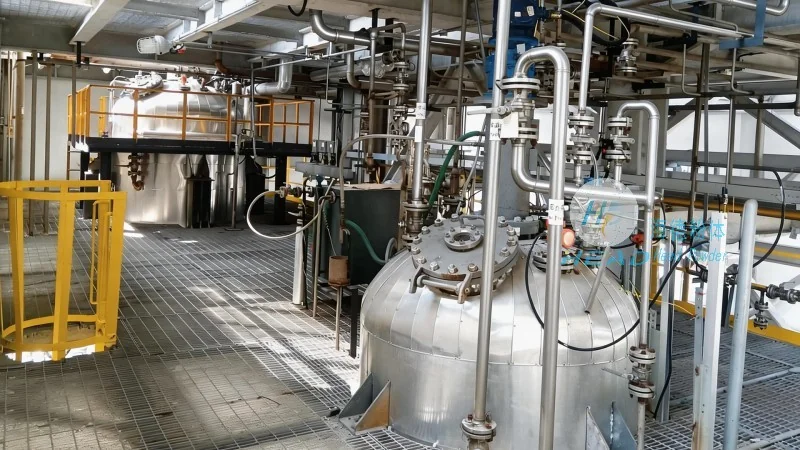
The working principle of a textile fiber material conveying line is based on mechanical and pneumatic systems that work together to move fibers efficiently. The process typically begins with the raw fibers being loaded into the feed hopper. From there, the fibers are discharged onto a conveyor belt or through a pneumatic duct, depending on the system design. The conveyor system then transports the fibers to the processing machines, such as carding or spinning equipment. Control panels regulate the speed and flow, ensuring that the material is delivered at the optimal rate for the next stage of production. This integrated approach minimizes downtime and maximizes productivity.
The operation of a textile fiber material conveying line follows a systematic process to ensure consistent and reliable material transfer. First, the raw fibers are stored in the feed hopper, where they are prepared for transport. Next, the control system activates the conveyor, starting the material flow. As the fibers move along the line, sensors monitor the flow rate and adjust the speed as needed. The system continues to transport the fibers to the processing machines, where they are further processed into yarn or fabric. Finally, the control system shuts down the conveyor when the material is fully delivered, preventing overloading and ensuring safety.
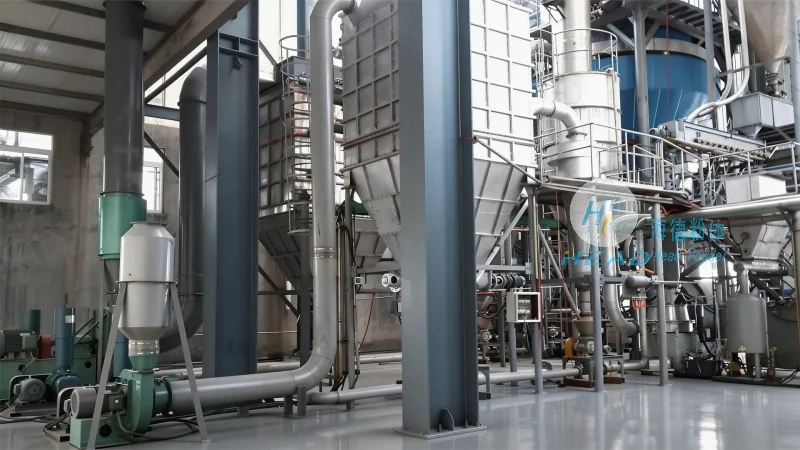
Implementing a textile fiber material conveying line offers numerous advantages for textile manufacturers. These systems significantly reduce labor costs by automating the material handling process, allowing workers to focus on more critical tasks. They also improve production efficiency by minimizing material handling time and reducing the risk of fiber damage or contamination. Additionally, the integrated control systems provide real-time monitoring, enabling quick adjustments to maintain optimal performance. The durability and reliability of these systems ensure long-term operation with minimal maintenance, making them a cost-effective investment for textile businesses.
HeadPowder offers customized textile fiber material conveying lines tailored to the specific needs of each client. The company's engineering team works closely with customers to understand their production requirements and design a system that meets their unique specifications. Integration with existing machinery and facilities is also possible, ensuring a seamless transition to the new conveying line. Whether a new installation or an upgrade to an existing system, HeadPowder provides comprehensive solutions that enhance the overall performance of the textile manufacturing process.

 Shandong Headpowder Engineering Co., Ltd.
 156-6277-7102(Manager Zhang)
  0531-83386006
  Zhangqiu District, Jinan City, Shandong Province, China
telephone
WeChatconsult
top