With more than 10‑year industry experience, Shandong Headpowder delivers full‑service pneumatic‑conveying systems and blowers, undertaking nationwide turn‑key powder‑handling projects.
Shandong HeadPowder Engineering Co., Ltd., a leading manufacturer based in Shandong, China, specializes in the design and production of advanced additive material handling equipment. These systems are crucial for efficiently transporting various additives in industrial applications, ensuring consistent flow and quality control throughout the process. This article provides a detailed overview of the operation process and working principles of such equipment, highlighting key components and operational steps.
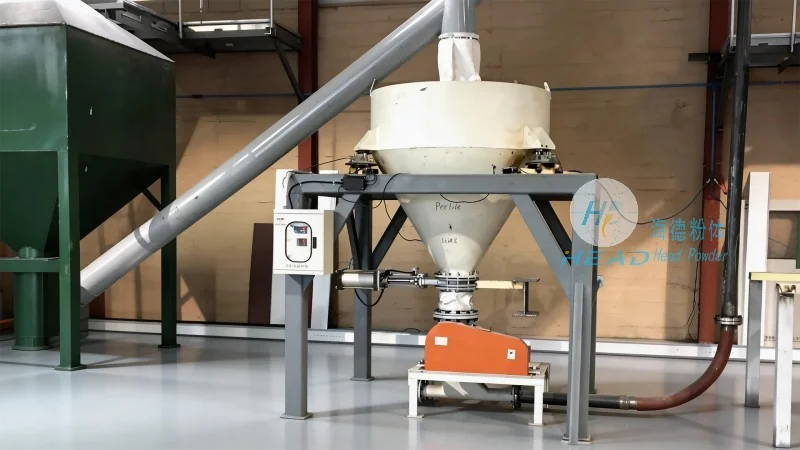
The core components of an additive material handling system typically include a hopper for material storage, a conveyor mechanism (such as screw conveyors, belt conveyors, or pneumatic systems), control panels for operation, and safety features to prevent accidents. The hopper is designed to hold the additive material securely, with proper sealing to minimize dust and contamination. The conveyor system is responsible for transporting the material from the hopper to the processing line or storage area. Control panels allow operators to adjust speed, direction, and other parameters to match production requirements. Safety features, including emergency stop buttons and overload protection, ensure the equipment operates safely under all conditions.
The operation process of additive material handling equipment involves several sequential steps to ensure smooth and efficient material transport. First, the additive material is loaded into the hopper. The hopper is then sealed to prevent dust and maintain material integrity. Next, the control panel is activated, and the conveyor system is started. The speed of the conveyor is adjusted based on the material type and required flow rate. As the material moves through the conveyor, it is transported to the next stage of the production process or to a storage location. During operation, the system continuously monitors parameters such as flow rate and pressure to ensure optimal performance. If any issues arise, such as a blockage or overload, the control panel triggers an alarm or stops the system to prevent damage. Once the material has been successfully transported, the system can be stopped and the hopper emptied for the next batch of material.
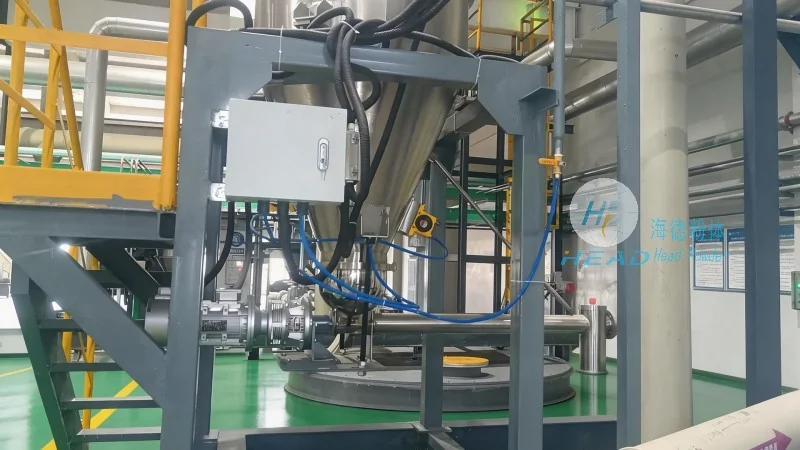
The working principle of additive material handling equipment is based on mechanical or pneumatic forces to move the material from one location to another. For mechanical systems, such as screw conveyors or belt conveyors, the principle involves using rotating components to push or pull the material along a path. In screw conveyors, a rotating screw (or auger) moves the material forward, while in belt conveyors, a moving belt transports the material. Pneumatic systems use compressed air to create a flow of material through a pipeline, similar to how air moves in a tube. The control system regulates the pressure and flow rate of the air to control the speed and direction of the material transport. The equipment is designed to handle various types of additives, including powders, granules, and liquids, with different components adapted to the specific material properties. For example, some systems use special materials for the hopper and conveyor to prevent material buildup or contamination, while others incorporate dust collection systems to maintain a clean environment.
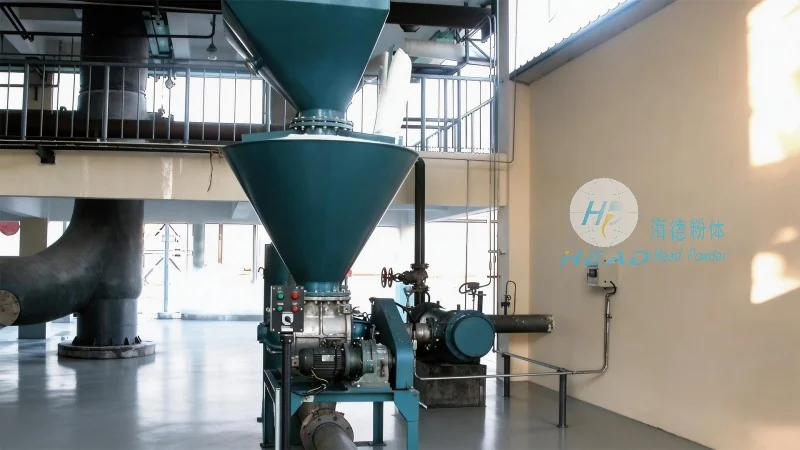
Additive material handling equipment offers numerous benefits in industrial settings, including improved efficiency, reduced labor costs, and enhanced safety. By automating the material transport process, these systems eliminate the need for manual handling, which can be time-consuming and hazardous. The consistent flow of material ensures that production lines operate smoothly without interruptions, leading to higher productivity and better product quality. Additionally, the equipment is designed to handle a wide range of additive types, making it suitable for various industries, including pharmaceuticals, food processing, and chemical manufacturing. The ability to adjust parameters such as speed and flow rate allows manufacturers to adapt to changing production demands, ensuring flexibility and responsiveness. Overall, the use of additive material handling equipment contributes to a more efficient and reliable production process, supporting the growth and success of businesses in these industries.
In conclusion, additive material handling equipment is a critical component in modern industrial operations, enabling efficient and safe transport of various additives. The operation process involves loading, conveying, and controlling the material flow, while the working principle relies on mechanical or pneumatic forces to move the material. Shandong HeadPowder Engineering Co., Ltd. provides high-quality equipment designed to meet the specific needs of different industries, ensuring reliable performance and durability. By understanding the operation process and working principles of such equipment, manufacturers can optimize their production processes and improve overall efficiency.

 Shandong Headpowder Engineering Co., Ltd.
 156-6277-7102(Manager Zhang)
  0531-83386006
  Zhangqiu District, Jinan City, Shandong Province, China
telephone
WeChatconsult
top