

Operation Process and Working Principle of Chloroprene Rubber Material Handling Equipment
Chloroprene rubber, also known as neoprene, is a synthetic polymer widely used in various industrial applications due to its excellent resistance to oil, chemicals, and weathering. The efficient handling and transportation of chloroprene rubber materials are crucial for industrial operations, and specialized equipment designed for this purpose plays a vital role in ensuring smooth production workflows. This article provides an in-depth look at the operation process and working principle of chloroprene rubber material handling equipment, highlighting key components, operational steps, and the technical aspects that contribute to its effectiveness.
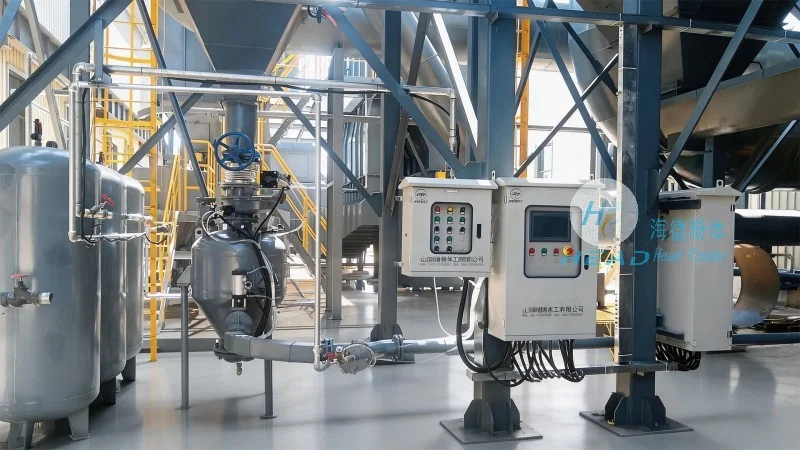
Company Overview: Shandong HeadPowder Engineering Co., Ltd.
HeadPowder, a leading manufacturer in the field of material handling solutions, specializes in the design, production, and supply of equipment tailored for handling various rubber materials, including chloroprene rubber. With a strong commitment to quality and innovation, the company has established itself as a trusted partner for industries relying on reliable and efficient material handling systems. HeadPowder's facilities are located in Shandong, China, where advanced manufacturing processes and rigorous quality control measures are implemented to ensure the highest standards of performance and durability for their equipment.
Overview of Chloroprene Rubber Material Handling Equipment
Chloroprene rubber material handling equipment is engineered to handle the unique properties of chloroprene rubber, such as its elasticity, resistance to degradation, and the need for careful handling to prevent damage. These systems typically consist of several key components, including feeding mechanisms, conveying systems, storage units, and control panels. The equipment is designed to accommodate the specific characteristics of chloroprene rubber, ensuring that the material is transported safely and efficiently from the point of origin to the processing or storage location.
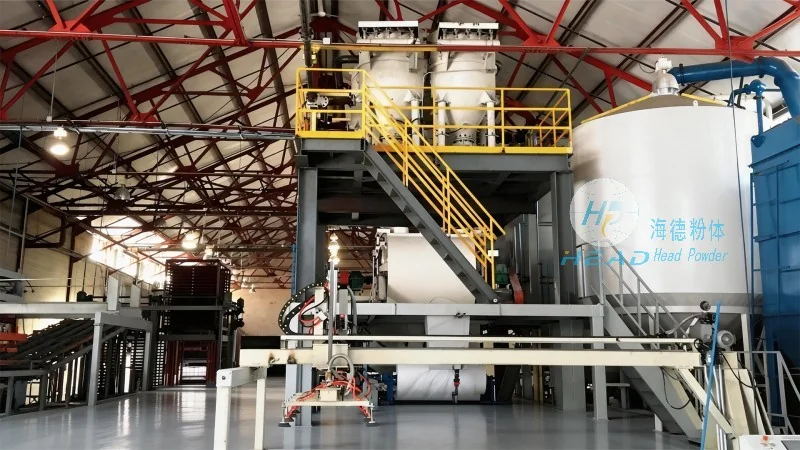
The Working Principle of Chloroprene Rubber Material Handling Equipment
The core working principle of chloroprene rubber material handling equipment revolves around the movement of the material through a series of mechanical and pneumatic systems. The process begins with the feeding of chloroprene rubber into the equipment, which may involve a hopper or a loading mechanism that ensures a consistent flow of material. From there, the material is transferred through a conveyor system, which can be of various types, such as belt conveyors, screw conveyors, or pneumatic conveyors, depending on the specific requirements of the application. The conveyor system uses mechanical or pneumatic forces to move the rubber material along the desired path, ensuring that it is transported without damage or degradation.
Operation Process: Step-by-Step Guide
The operation of chloroprene rubber material handling equipment follows a systematic process that ensures optimal performance and safety. The first step involves the preparation of the equipment, which includes checking the integrity of all components, ensuring proper lubrication, and verifying the functionality of the control systems. Once the equipment is ready, the chloroprene rubber material is fed into the system, either manually or through an automated feeding mechanism. The material then moves through the conveyor system, guided by the design of the equipment, to reach the storage or processing area. Throughout the operation, the control panel monitors key parameters, such as speed, pressure, and temperature, to ensure that the material is handled within the optimal conditions. The process concludes when the material reaches its destination, and the equipment is then prepared for the next cycle of operation.
Key Features and Benefits of Chloroprene Rubber Material Handling Equipment
Chloroprene rubber material handling equipment from HeadPowder offers several key features that enhance its performance and reliability. These include robust construction to withstand the demanding conditions of industrial environments, advanced control systems for precise operation, and efficient energy consumption to reduce operational costs. The equipment is also designed with safety in mind, incorporating features such as emergency stop buttons, overload protection, and material flow monitoring to prevent accidents and ensure the well-being of operators. Additionally, the equipment is easy to maintain and service, with accessible components and clear maintenance guidelines provided by HeadPowder, ensuring minimal downtime and maximum productivity.
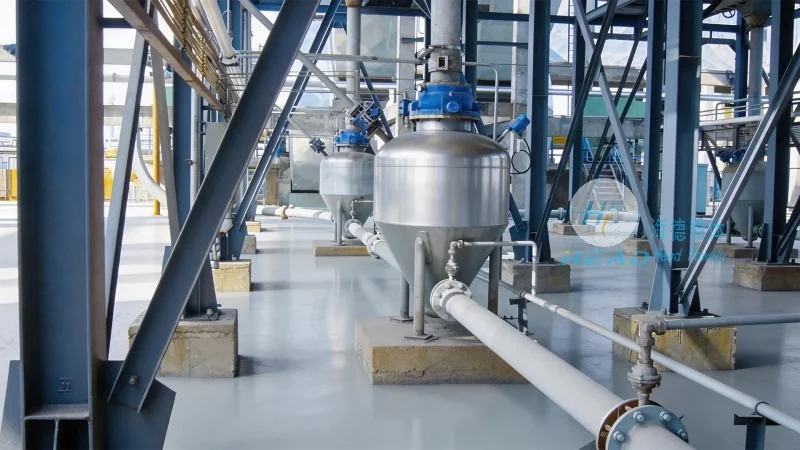
Applications and Industries Served
Chloroprene rubber material handling equipment is widely used in various industries that rely on chloroprene rubber for their products. These include the automotive industry, where chloroprene rubber is used in seals, gaskets, and other components; the construction industry, for roofing and waterproofing applications; and the chemical industry, for handling corrosive materials. The equipment is also used in the manufacturing of adhesives, coatings, and other rubber-based products, where the consistent and efficient handling of chloroprene rubber is essential for maintaining product quality and meeting production demands.
Conclusion
In conclusion, chloroprene rubber material handling equipment is a critical component in the efficient and safe handling of chloroprene rubber materials. The operation process and working principle of these systems are designed to maximize performance, minimize downtime, and ensure the quality of the material being handled. With advanced technology and rigorous quality control, manufacturers like Shandong HeadPowder Engineering Co., Ltd. provide reliable equipment that meets the needs of various industries. By understanding the operation process and working principles of chloroprene rubber material handling equipment, industries can optimize their material handling processes, improve productivity, and ensure the longevity of their equipment.