With more than 10‑year industry experience, Shandong Headpowder delivers full‑service pneumatic‑conveying systems and blowers, undertaking nationwide turn‑key powder‑handling projects.
HeadPowder, a leading manufacturer based in Shandong, China, specializes in the design and production of advanced dust powder conveying systems. These systems are engineered to efficiently transport various types of powders and dusts, ensuring reliable performance in industrial applications. The following sections detail the operational process and working principles of such equipment, highlighting key components and their functions.
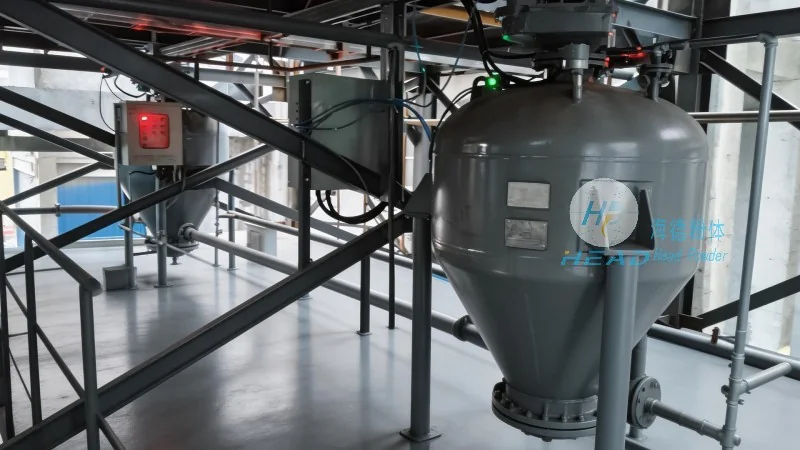
The dust powder conveying system typically consists of several critical components that work in tandem to achieve effective material transport. These include a hopper for material storage, a conveyor mechanism (such as a screw or pneumatic system), a control panel for operation, and a discharge outlet for delivering the material to its destination. Each component plays a vital role in maintaining the system's efficiency and safety.
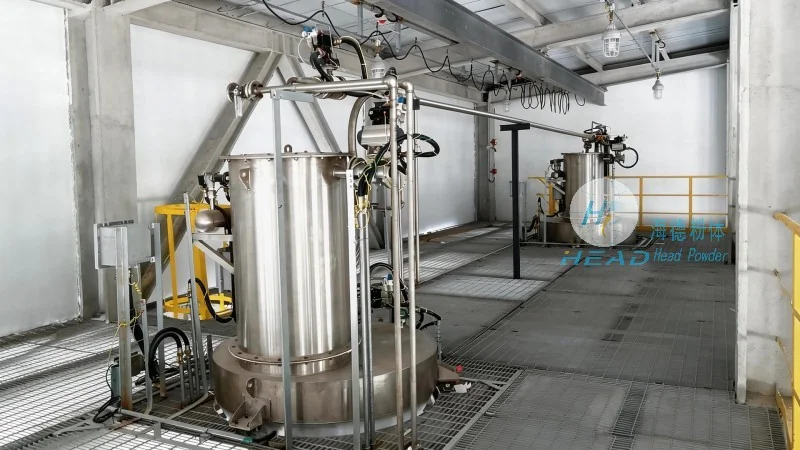
The operation of the dust powder conveying system begins with the loading of material into the hopper. Once the hopper is filled, the system's control panel is activated, initiating the conveyor mechanism. In a screw conveyor system, for example, a rotating screw pushes the material forward through the conveyor tube. The speed of the screw can be adjusted to control the flow rate of the material, ensuring precise delivery. In pneumatic conveying systems, compressed air is used to transport the material through a pipeline, where the air flow rate is regulated to maintain consistent material movement. The system continues to operate until the hopper is emptied or the material flow is adjusted as needed.
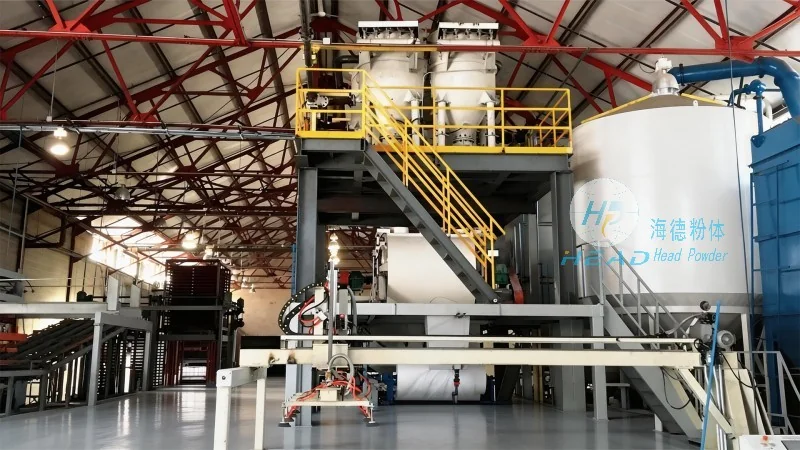
The working principle of the dust powder conveying system is based on the physics of material movement under controlled conditions. For mechanical conveyors like screw or belt systems, the principle involves the use of a moving surface or screw to push the material forward. The friction between the material and the conveyor surface, combined with the rotation of the screw or movement of the belt, creates the necessary force to transport the material. In pneumatic systems, the principle relies on the pressure difference created by compressed air, which propels the material through the pipeline. The air flow is directed to create a suction or pressure effect, ensuring the material is carried along with the air stream. Both mechanical and pneumatic systems are designed to handle different types of powders, from fine to coarse, and can be customized to meet specific industrial requirements.
Dust powder conveying systems offer numerous advantages in industrial settings, including high efficiency, low maintenance, and the ability to handle a wide range of materials. These systems are commonly used in industries such as pharmaceuticals, food processing, chemical manufacturing, and mining, where the transport of powders is essential for production processes. The systems are designed to minimize material loss and contamination, ensuring product quality and safety. Additionally, modern conveying systems are equipped with advanced control features, allowing for real-time monitoring and adjustment of the material flow, enhancing operational flexibility.
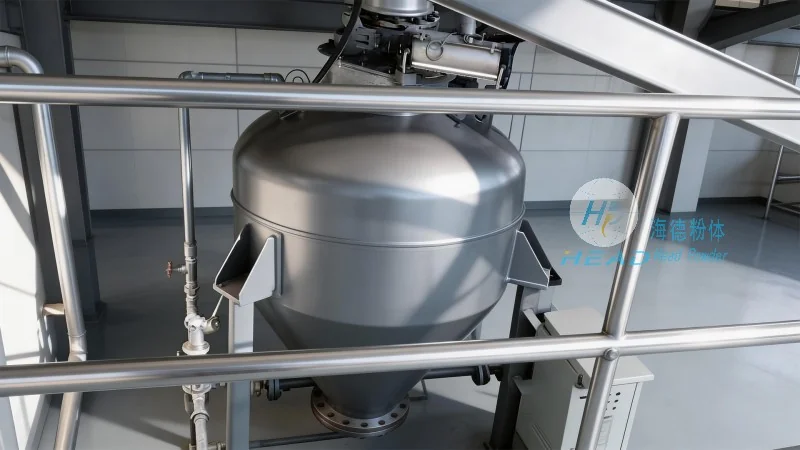
HeadPowder's dust powder conveying systems exemplify advanced engineering and reliable performance in material handling. By understanding the operation process and working principles, users can appreciate the efficiency and versatility of these systems. With a strong presence in Shandong, China, HeadPowder continues to provide high-quality solutions for industrial material transport needs, supporting various industries in achieving their operational goals.

 Shandong Headpowder Engineering Co., Ltd.
 156-6277-7102(Manager Zhang)
  0531-83386006
  Zhangqiu District, Jinan City, Shandong Province, China
telephone
WeChatconsult
top