With more than 10‑year industry experience, Shandong Headpowder delivers full‑service pneumatic‑conveying systems and blowers, undertaking nationwide turn‑key powder‑handling projects.
Shandong HeadPowder Engineering Co., Ltd. specializes in the design, manufacturing, and supply of advanced cement gray powder conveying equipment. These systems are engineered to efficiently transport bulk cement gray powders over long distances with minimal loss and high reliability. The equipment is widely used in construction, cement production, and related industries, ensuring stable and continuous material flow. This article provides a detailed overview of the operation process and working principle of such systems, highlighting key components and operational mechanisms.
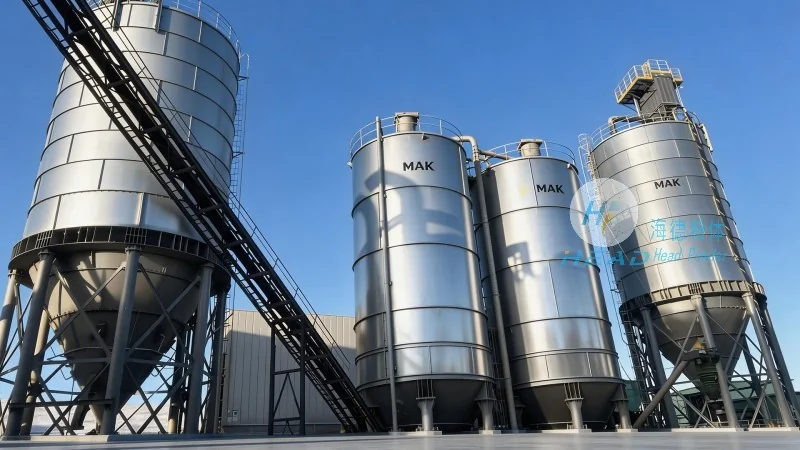
The cement gray powder conveying equipment typically consists of several core components that work in tandem to achieve efficient material transport. The primary components include a hopper for material storage, a feeder to control the flow rate, a conveyor (such as a screw conveyor or pneumatic pipeline), and a control system for monitoring and regulating the process. Each component plays a critical role in maintaining the integrity and efficiency of the conveying operation. The hopper is designed to hold a sufficient quantity of cement gray powder, ensuring a steady supply to the feeder. The feeder, often a rotary valve or a screw feeder, regulates the material discharge rate, preventing overloading or underflow. The conveyor, whether mechanical or pneumatic, transports the powder from the source to the destination. The control system integrates sensors and actuators to monitor parameters like pressure, flow rate, and temperature, adjusting the operation as needed to maintain optimal performance.
The operation process of the cement gray powder conveying equipment begins with the loading of cement gray powder into the hopper. The material is then fed into the conveyor system through the feeder, which controls the flow rate based on the system's requirements. The conveyor transports the powder along the designated path, ensuring it reaches the target location without segregation or degradation. During the process, the control system continuously monitors key parameters, such as pressure in the pneumatic line or torque in the mechanical conveyor, to detect any anomalies and adjust the operation accordingly. For example, if the flow rate decreases, the system may increase the feeder speed to maintain the desired throughput. The entire process is designed to be automated, minimizing human intervention and ensuring consistent performance. The equipment operates continuously, providing a stable supply of cement gray powder to downstream processes, such as mixing or packaging.
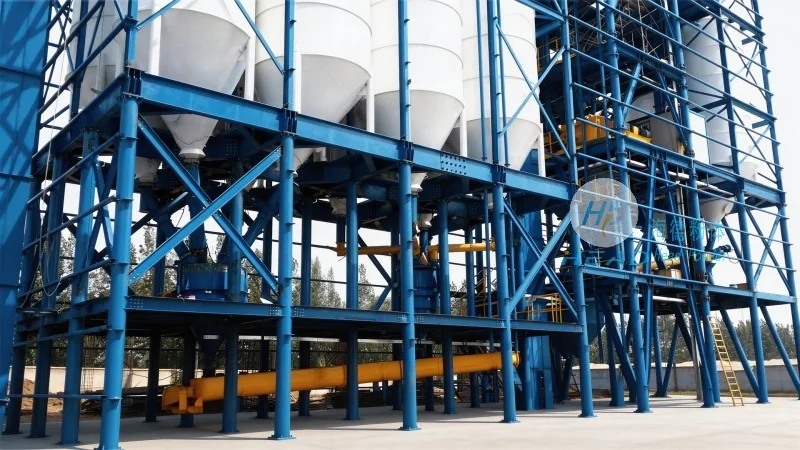
The working principle of the cement gray powder conveying equipment relies on the interaction between the material properties and the mechanical or pneumatic forces applied to transport the powder. In mechanical conveying systems, the screw conveyor or belt conveyor uses rotational motion to move the powder forward. The screw or belt creates a drag force that pulls the material along the conveyor path, ensuring it moves without segregation. The design of the conveyor components, such as the pitch and diameter of the screw, is optimized to handle the specific characteristics of cement gray powder, such as its density and flowability. In pneumatic conveying systems, the principle is based on the use of air pressure to move the powder through a pipeline. The material is suspended in the air stream and transported to the destination. The system typically includes a blower or compressor to generate the necessary air pressure, and a filter to remove any fine particles from the exhaust. The working principle of pneumatic conveying is particularly effective for handling fine powders like cement gray, as it minimizes material degradation and loss compared to mechanical systems.
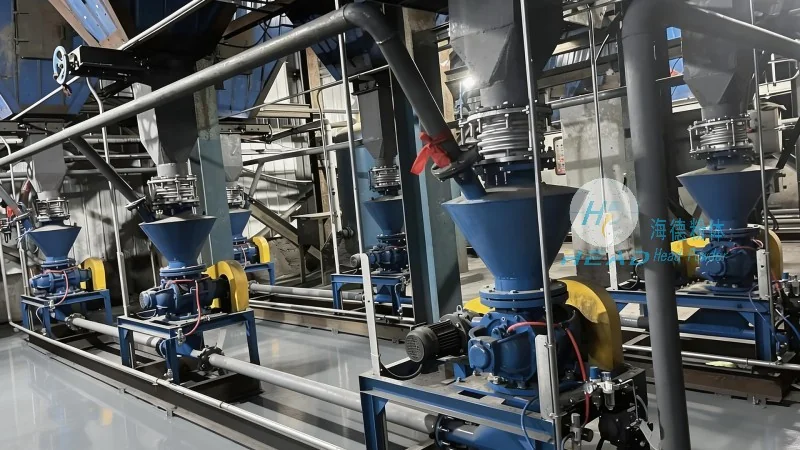
Implementing cement gray powder conveying equipment offers several advantages for industrial applications. Firstly, it ensures high efficiency in material transport, reducing downtime and increasing productivity. The automated control system minimizes human error and ensures consistent performance, leading to improved operational reliability. Secondly, the equipment is designed to handle bulk quantities of cement gray powder, reducing the need for manual handling and associated labor costs. This not only improves safety in the workplace but also enhances the overall efficiency of the production process. Thirdly, the system minimizes material loss and degradation during transport, preserving the quality of the cement gray powder. This is crucial for applications where the powder's properties, such as fineness or moisture content, need to be maintained. Additionally, the equipment is scalable, allowing it to be customized to meet the specific needs of different industrial settings, from small-scale operations to large-scale production facilities.
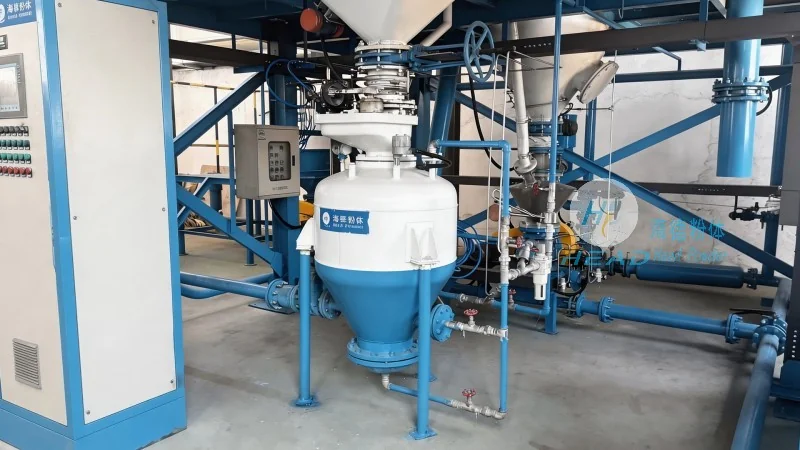
Cement gray powder conveying equipment is widely used in the cement production industry, particularly in the transportation of raw materials and finished products. In raw material handling, the equipment is used to transport limestone, clay, and other raw materials from storage silos to the grinding mills. The efficient transport of these materials ensures a steady supply to the production line, optimizing the grinding process and reducing energy consumption. In finished product handling, the equipment transports the cement gray powder from the storage silos to the packaging or loading areas. This ensures that the cement is delivered to construction sites in a timely manner, meeting the demand for high-quality building materials. The equipment's ability to handle large volumes and maintain material quality makes it an essential component in modern cement production facilities.
Proper maintenance and operational considerations are crucial for ensuring the long-term performance and reliability of cement gray powder conveying equipment. Regular maintenance, including cleaning of the hopper, feeder, and conveyor components, is essential to prevent material buildup and blockages. The control system should be checked regularly to ensure it is functioning correctly, with sensors calibrated as needed. The air filtration system in pneumatic conveying systems should be inspected and replaced as necessary to maintain air quality and prevent dust accumulation. Operational considerations include monitoring the flow rate and pressure in real-time, as well as adjusting the system parameters based on changes in material characteristics or production demands. For example, if the cement gray powder becomes more cohesive due to moisture, the feeder speed may need to be adjusted to prevent clogging. Proper training of operators on the equipment's operation and maintenance is also important to ensure safe and efficient use. By following these guidelines, the equipment can operate at optimal performance levels, minimizing downtime and maximizing productivity.

 Shandong Headpowder Engineering Co., Ltd.
 156-6277-7102(Manager Zhang)
  0531-83386006
  Zhangqiu District, Jinan City, Shandong Province, China
telephone
WeChatconsult
top