With more than 10‑year industry experience, Shandong Headpowder delivers full‑service pneumatic‑conveying systems and blowers, undertaking nationwide turn‑key powder‑handling projects.
HeadPowder, a leading engineering company based in Shandong, China, specializes in the design, manufacturing, and installation of advanced coke powder conveying systems. These systems are critical in industrial applications where the efficient and safe transport of coke powder is essential for production efficiency and operational safety. This article provides a detailed overview of the operation process and working principle of such systems, highlighting the key components, operational steps, and the technological advancements that enable reliable performance.
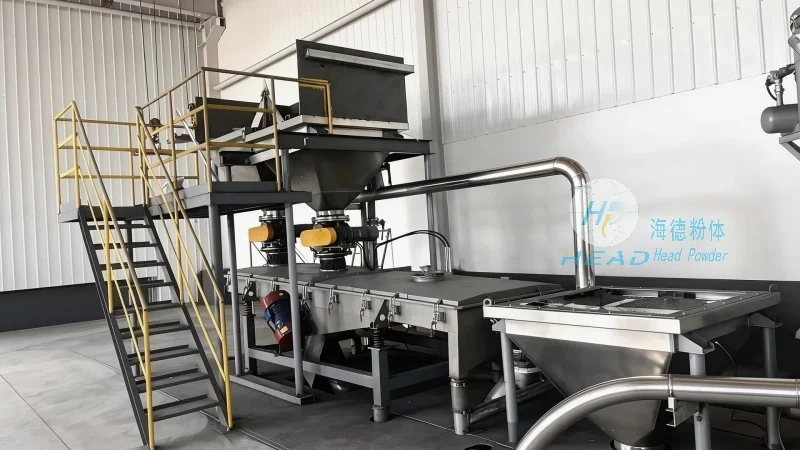
The coke powder conveying system typically consists of several interconnected components that work in harmony to transport coke powder from the storage area to the processing units. The primary components include a storage hopper, a feeding mechanism, a conveyor system (such as a screw conveyor or pneumatic conveyor), a control panel, and a dust collection system. Each component plays a crucial role in ensuring the smooth and safe operation of the entire system. The storage hopper is designed to hold a large volume of coke powder, providing a stable feed source. The feeding mechanism, often a rotary valve or a feeder, regulates the flow of powder into the conveyor. The conveyor system is the heart of the operation, responsible for transporting the powder through the system. The control panel allows operators to monitor and adjust the system parameters, ensuring optimal performance. The dust collection system is essential for maintaining a clean and safe working environment by capturing and filtering airborne particles.
The operation of the coke powder conveying system follows a systematic process, which can be broken down into several key steps. The first step involves the preparation phase, where the coke powder is loaded into the storage hopper. This is typically done using a loading device, such as a bucket elevator or a conveyor belt, which brings the powder from the ground level to the hopper. Once the hopper is filled, the feeding mechanism is activated to control the flow rate of the powder into the conveyor. The conveyor then transports the powder through the system, moving it from the storage area to the processing units. The control panel monitors the flow rate, pressure, and other parameters to ensure that the system operates within safe and efficient limits. During the transport process, the dust collection system continuously captures any airborne particles, preventing dust accumulation and maintaining air quality. The final step involves the discharge of the powder into the processing unit, where it is used in various industrial applications, such as steel production or chemical processing.
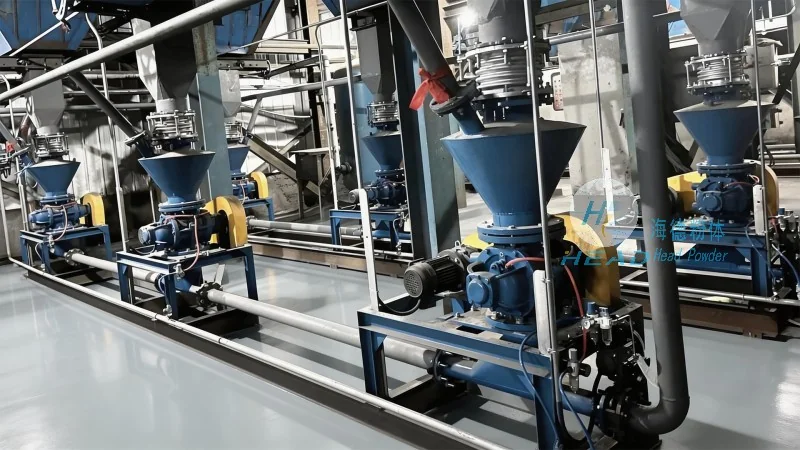
The working principle of the coke powder conveying system is based on the principles of fluidization and pneumatic transport, depending on the type of conveyor used. For screw conveyors, the system relies on mechanical force to move the powder. The screw rotates, pushing the powder forward through the conveyor tube. The speed of the screw and the pitch of the screw determine the flow rate and the pressure within the system. For pneumatic conveyors, the system uses air pressure to transport the powder. The powder is introduced into a pipeline, and compressed air is used to push the powder through the system. The air pressure and the velocity of the air determine the transport efficiency and the distance the powder can be conveyed. Both types of systems are designed to handle the abrasive and dusty nature of coke powder, with appropriate materials and coatings to prevent wear and corrosion. The control panel integrates sensors and actuators to regulate the system's operation, ensuring that the flow rate, pressure, and temperature are maintained within optimal ranges. This integration allows for real-time monitoring and adjustment, enhancing the system's reliability and performance.
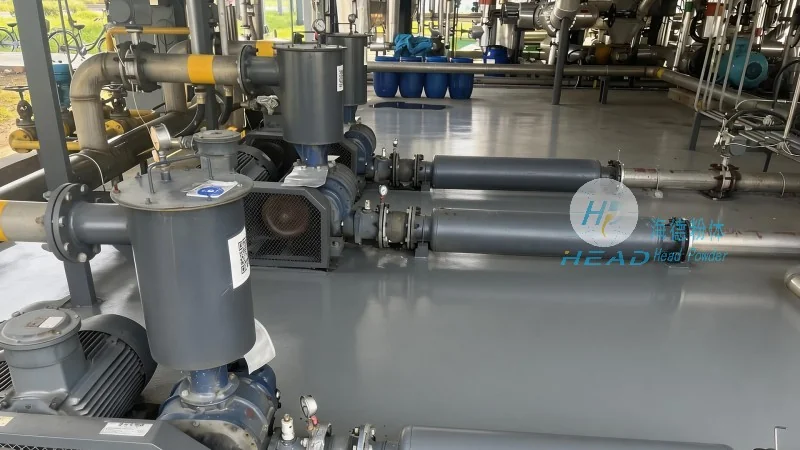
The coke powder conveying system offers several advantages that make it an ideal solution for industrial applications. These include high efficiency in transporting large volumes of powder, reduced labor costs due to automated operation, and improved safety by minimizing manual handling of the powder. The system is also designed to be flexible, allowing for adjustments in flow rate and transport distance as per the specific requirements of the industrial process. The applications of these systems are widespread, including in the steel industry, where coke is used as a fuel and a reducing agent in blast furnaces. Other applications include the chemical industry, where coke powder is used as a raw material in the production of chemicals, and the cement industry, where it is used as a fuel in the cement kilns. The system's ability to handle abrasive and dusty materials makes it suitable for a wide range of industrial environments.
In conclusion, the coke powder conveying system is a critical component in many industrial processes, enabling the efficient and safe transport of coke powder. The operation process involves a series of steps, from loading the powder into the hopper to its discharge into the processing unit, all controlled by a sophisticated system of components and controls. The working principle, whether based on mechanical or pneumatic transport, ensures that the powder is moved reliably and efficiently. The advantages of these systems, including high efficiency, safety, and flexibility, make them indispensable in modern industrial operations. As a leading provider of such systems, Shandong HeadPowder Engineering Co., Ltd. continues to innovate and improve its products to meet the evolving needs of the industry, ensuring that clients can rely on their coke powder conveying systems for long-term performance and operational success.

 Shandong Headpowder Engineering Co., Ltd.
 156-6277-7102(Manager Zhang)
  0531-83386006
  Zhangqiu District, Jinan City, Shandong Province, China
telephone
WeChatconsult
top