With more than 10‑year industry experience, Shandong Headpowder delivers full‑service pneumatic‑conveying systems and blowers, undertaking nationwide turn‑key powder‑handling projects.
HeadPowder, a leading enterprise in the field of powder handling technology, specializes in the design, manufacturing, and implementation of efficient conveying systems for various industrial applications. The Sodium Chloride Powder Conveying System is a critical component in many industrial processes, particularly in the chemical, food, and pharmaceutical sectors, where the reliable and safe transport of sodium chloride (commonly known as table salt) is essential. This system ensures that the powder is moved from storage to processing units or packaging areas with minimal loss, contamination, and energy consumption.
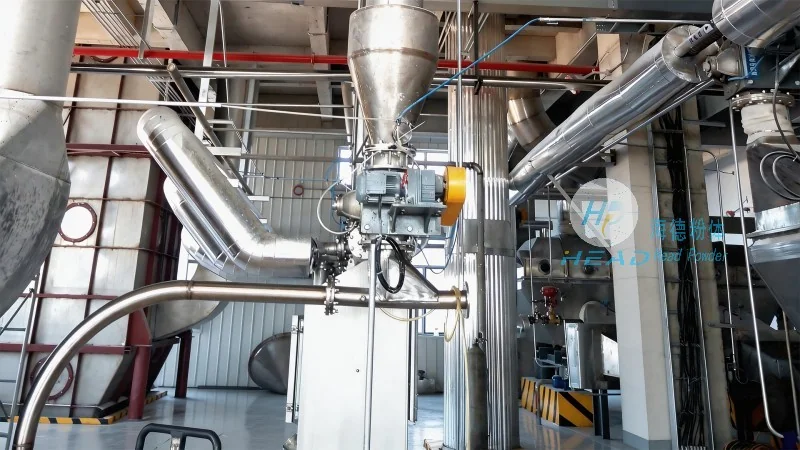
Understanding the operation process and working principle of such a system is vital for optimizing production efficiency and maintaining product quality. The following sections will delve into the key aspects of the system's functionality, detailing how it operates and the underlying mechanisms that enable its performance.
The Sodium Chloride Powder Conveying System typically consists of several interconnected components that work in harmony to achieve the desired transport of the powder. These components include:
The operation process of the Sodium Chloride Powder Conveying System involves several sequential steps that ensure the smooth and efficient transport of sodium chloride powder. The process begins with the loading of the storage hopper from a bulk storage area or a production line. Once the hopper is filled, the feeder is activated to start the flow of powder from the hopper into the conveyor system.
As the feeder regulates the flow rate, the conveyor (either pneumatic or mechanical) transports the powder through the piping network. In a pneumatic system, compressed air is used to create a flow of air and powder mixture, which moves the sodium chloride from the feeder to the discharge point. The control system continuously monitors the pressure and flow rates, adjusting the air pressure or feeder speed as needed to maintain a stable and consistent flow.
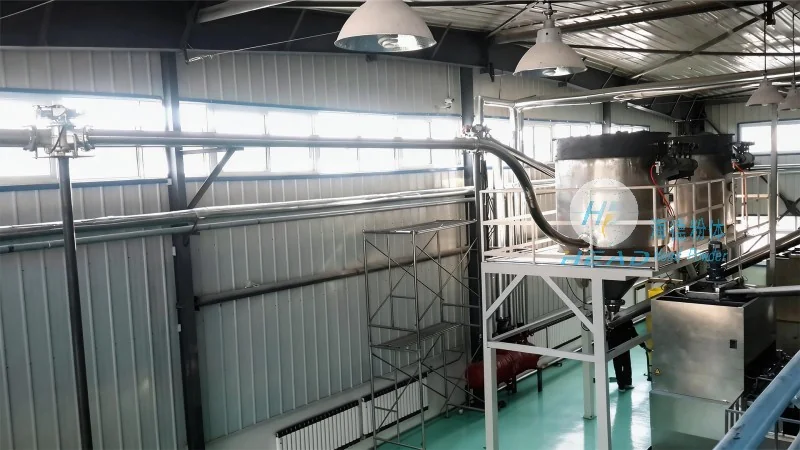
During the transport process, the powder may pass through additional components such as filters or cyclones to remove any moisture or impurities. These components are integrated into the system to ensure the purity of the sodium chloride before it reaches the processing or packaging stage. The discharge point is typically a receiving hopper or a direct connection to the next processing unit, where the powder is further processed or packaged for distribution.
The entire operation is automated and controlled by the control system, which can be programmed to follow a set schedule or respond to real-time production demands. This automation minimizes the need for manual intervention, reduces labor costs, and enhances the overall efficiency of the system.
The working principle of the Sodium Chloride Powder Conveying System is based on the fundamental principles of fluid dynamics and mechanical transport. The system utilizes either pneumatic or mechanical forces to move the powder through the system, depending on the specific design and application requirements.
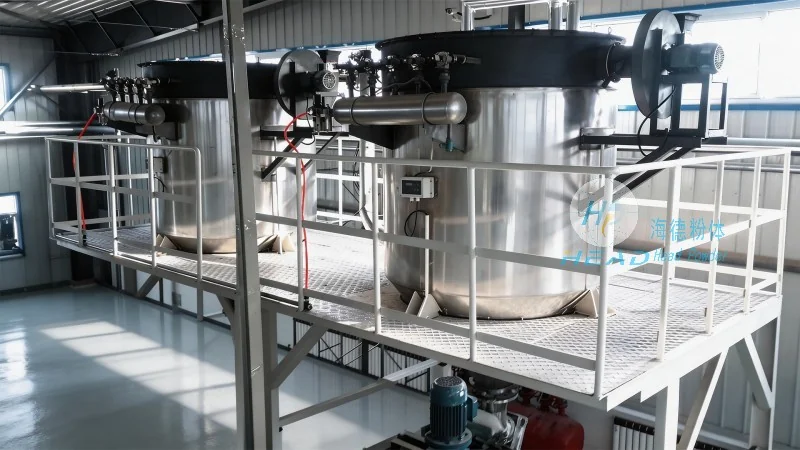
In a pneumatic conveying system, the working principle involves the creation of a pressure differential between the inlet and outlet of the conveyor. Compressed air is introduced into the system, and as it flows through the piping, it carries the sodium chloride powder along with it. The air and powder mixture moves through the system due to the pressure difference, with the air providing the necessary force to overcome the resistance of the powder particles and the friction between the particles and the pipe walls.
The velocity of the air in the pneumatic system is critical to the efficiency of the transport. If the air velocity is too low, the powder may settle and cause blockages, while if it is too high, it can lead to excessive wear on the components and energy waste. The control system optimizes the air velocity by adjusting the air pressure or the feeder speed to maintain an optimal flow rate.
In a mechanical conveying system, the working principle relies on the rotation of a screw, belt, or chain to move the powder. The screw conveyor, for example, uses a rotating screw to push the powder forward through the pipe. The pitch and diameter of the screw are designed to handle the specific characteristics of the sodium chloride powder, such as its bulk density and flowability. The mechanical system is generally more suitable for short-distance transport and lower flow rates compared to pneumatic systems.
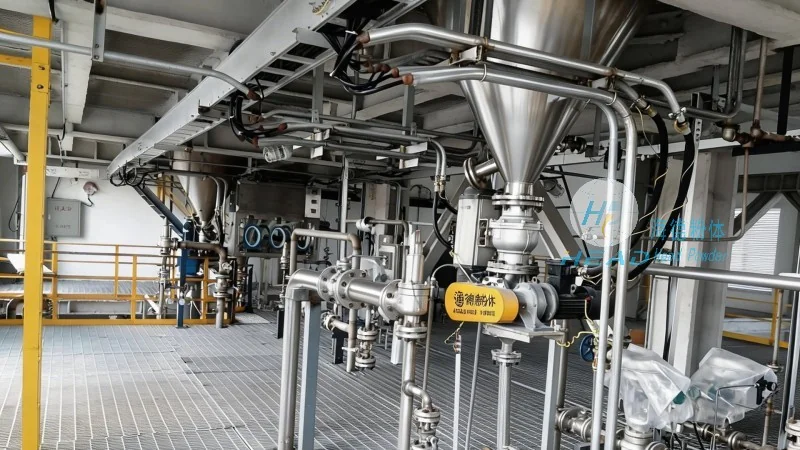
Both systems operate on the principle of maintaining a consistent flow of powder, with the control system playing a crucial role in regulating the parameters to ensure smooth operation. The working principle also emphasizes the importance of preventing clogging and ensuring the uniform distribution of the powder throughout the system.
The Sodium Chloride Powder Conveying System offers several advantages that make it a preferred choice for industrial applications. These advantages include:
The Sodium Chloride Powder Conveying System is widely used in various industrial sectors due to its versatility and efficiency. Some common application scenarios include:
The Sodium Chloride Powder Conveying System is a sophisticated and essential component in many industrial processes, particularly in the handling of sodium chloride. The system's operation process and working principle are designed to ensure the efficient, reliable, and safe transport of the powder, meeting the demands of various industries. HeadPowder, with its expertise in powder handling technology, provides high-quality conveying systems that are tailored to the specific needs of its clients. By understanding the key components, operation process, and working principle of the system, industries can optimize their production processes, reduce costs, and maintain product quality. The Sodium Chloride Powder Conveying System remains a critical investment for companies seeking to enhance their operational efficiency and meet the evolving demands of their markets.

 Shandong Headpowder Engineering Co., Ltd.
 156-6277-7102(Manager Zhang)
  0531-83386006
  Zhangqiu District, Jinan City, Shandong Province, China
telephone
WeChatconsult
top