With more than 10‑year industry experience, Shandong Headpowder delivers full‑service pneumatic‑conveying systems and blowers, undertaking nationwide turn‑key powder‑handling projects.
Understanding the Soap Granule Powder Conveying System Equipment and Its Design Principles
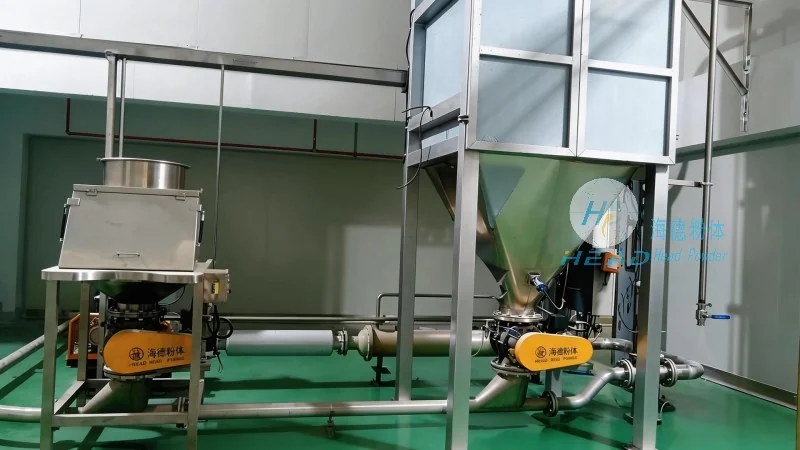
The soap granule powder conveying system is a specialized industrial equipment designed for the efficient transportation of soap granules, a crucial component in various manufacturing processes. This system is engineered to handle the unique characteristics of soap granules, such as their density, moisture content, and flowability, ensuring reliable and consistent material transfer. As a key asset in production lines, it plays a vital role in optimizing workflow and maintaining product quality.
The soap granule powder conveying system typically consists of several core components that work in tandem to facilitate smooth operation. These include a hopper for material storage, a feeding mechanism to control the flow of granules, a conveyor system (often a screw or pneumatic conveyor) for actual transport, and a control panel for monitoring and adjusting operational parameters. The design of each component is tailored to the specific properties of soap granules, ensuring minimal material degradation and maximum efficiency.
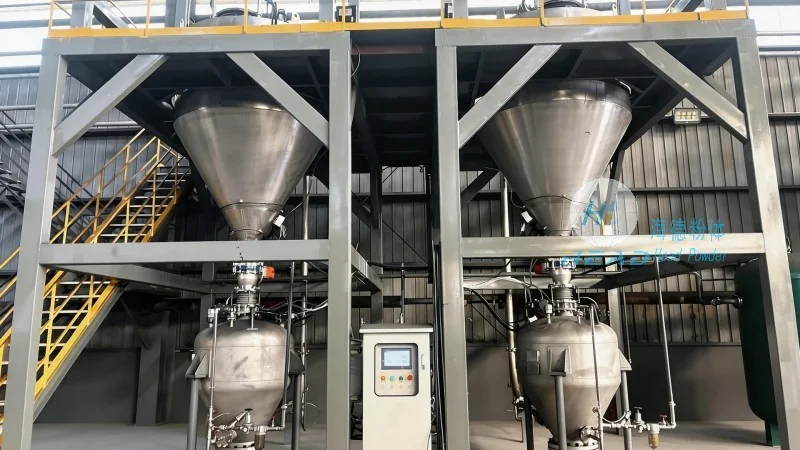
The design principles of the soap granule powder conveying system are rooted in both functionality and user safety. One of the primary principles is the minimization of material friction and wear, as soap granules can be abrasive. The system incorporates materials like stainless steel or corrosion-resistant alloys in critical contact areas to extend the equipment's lifespan and maintain product purity. Another key principle is the integration of dust control measures, as powder handling can generate airborne particles. Enclosures, filtration systems, and sealed connections are standard features to ensure a clean and safe working environment.
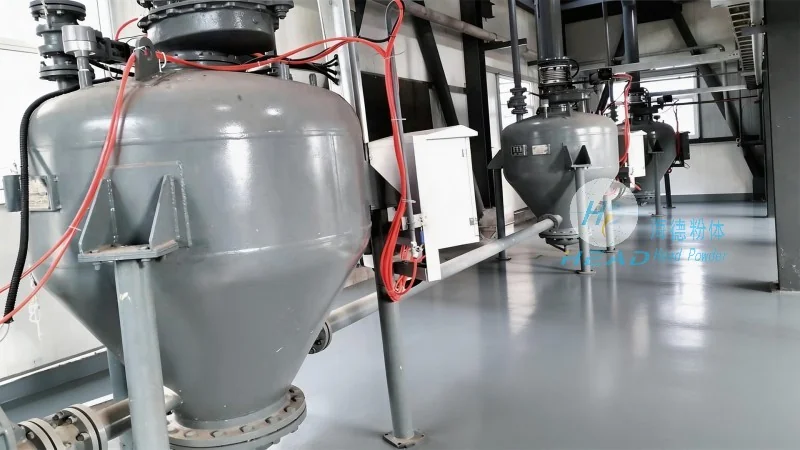
The operational mechanism of the soap granule powder conveying system involves a sequential process that begins with material loading into the hopper. The feeding mechanism then regulates the flow of granules into the conveyor, which transports them to the desired destination, such as a processing unit or storage silo. The system often includes sensors and feedback loops to adjust the flow rate in real-time, responding to variations in material density or system load. This dynamic control enhances overall efficiency and reduces downtime.
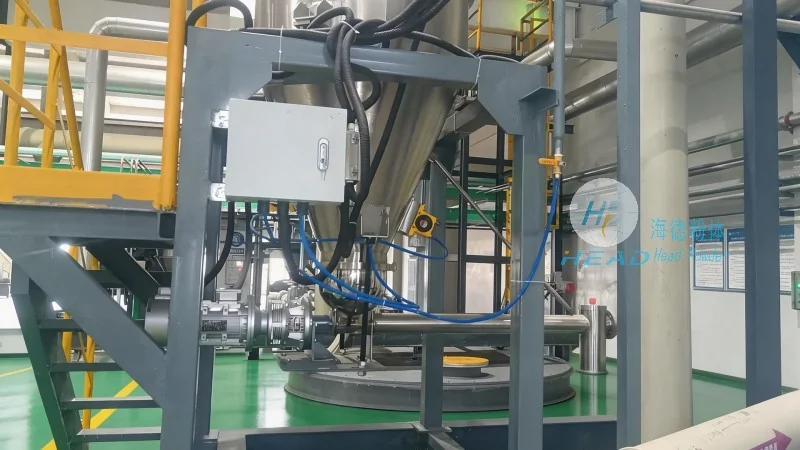
Implementing a soap granule powder conveying system offers several advantages for manufacturers. It improves production throughput by eliminating manual handling of bulk materials, reduces the risk of contamination through enclosed systems, and enhances safety by minimizing exposure to dust and particulates. The system is widely used in industries such as soap and detergent production, where consistent and hygienic material transfer is essential. Additionally, its modular design allows for easy integration into existing production lines, providing flexibility and scalability.
In conclusion, the soap granule powder conveying system is a sophisticated piece of equipment that combines advanced engineering with practical design to meet the demands of modern manufacturing. Its ability to handle soap granules efficiently while maintaining product integrity and operational safety makes it an indispensable tool for companies in the soap and detergent industry. Shandong HeadPowder Engineering Co., Ltd., based in China, specializes in the design and manufacturing of such systems, leveraging years of experience to deliver high-quality solutions tailored to client needs. With a commitment to innovation and quality, the company continues to serve industries requiring reliable powder handling solutions.

 Shandong Headpowder Engineering Co., Ltd.
 156-6277-7102(Manager Zhang)
  0531-83386006
  Zhangqiu District, Jinan City, Shandong Province, China
telephone
WeChatconsult
top