With more than 10‑year industry experience, Shandong Headpowder delivers full‑service pneumatic‑conveying systems and blowers, undertaking nationwide turn‑key powder‑handling projects.
Heavy powder pneumatic conveying systems are essential for efficient material handling in various industrial applications, particularly when dealing with bulk powders that require safe, reliable, and cost-effective transportation. This article delves into the operation process and working principle of such systems, highlighting the key components, operational steps, and the technology behind their functionality. The discussion is centered around the expertise of Shandong HeadPowder Engineering Co., Ltd., a leading manufacturer in the field, known for its advanced solutions tailored to diverse industrial needs.
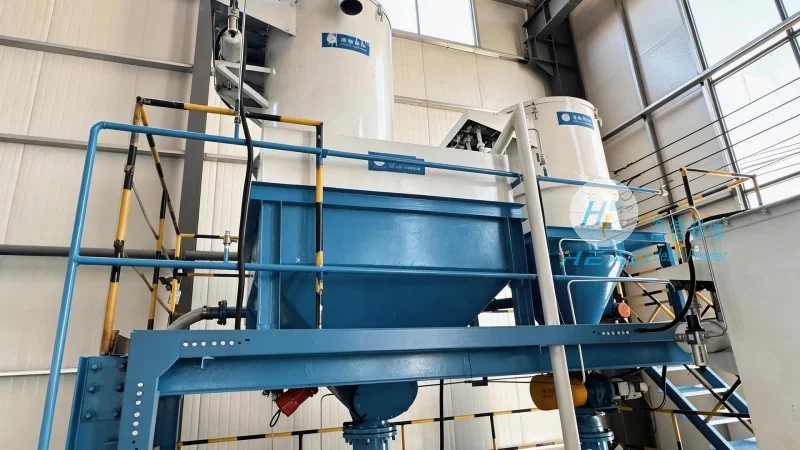
At the core of any heavy powder pneumatic conveying system is the ability to transport bulk materials through a pipeline using air or other gases as the conveying medium. This method offers several advantages over traditional mechanical conveying, including reduced equipment wear, lower maintenance costs, and the capability to handle materials that are difficult to transport via conventional methods. The system typically consists of several critical components, each playing a vital role in the overall operation. These components include the material feed hopper, the air compressor or blower, the conveying pipeline, the control valves, and the discharge unit. Each component must be properly designed and integrated to ensure optimal performance and efficiency.
The operation process of a heavy powder pneumatic conveying system begins with the material being fed into the hopper. The hopper is equipped with a feeder, such as a rotary valve or a screw feeder, which controls the flow rate of the material into the system. This controlled feeding is crucial to maintain a consistent flow and prevent blockages or overloading of the conveying line. Once the material is in the hopper, it is drawn into the conveying pipeline by the air flow generated by the compressor or blower. The air, under pressure, creates a flow that lifts and transports the powder particles through the pipeline. The velocity of the air is a critical parameter, as it must be sufficient to overcome the gravitational forces and frictional losses within the pipeline while ensuring that the powder particles remain suspended and do not settle or deposit.
As the material travels through the pipeline, it may encounter various sections, such as bends, expansions, or reductions, which are designed to maintain the flow velocity and prevent particle separation or clogging. The control valves, often located along the pipeline, are used to regulate the air flow and pressure, allowing for adjustments in the conveying rate or to stop the system when necessary. The discharge unit at the end of the pipeline is responsible for releasing the material into the receiving container or process equipment. This unit may include a pressure relief valve or a dust collection system to ensure safe and clean discharge.
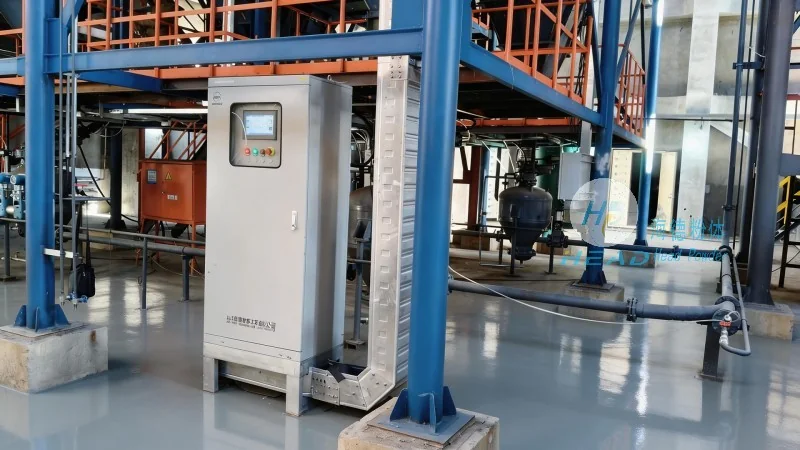
The working principle of the system is based on the principles of fluid dynamics and particle mechanics. The air flow creates a low-pressure zone within the pipeline, which draws the powder particles into the conveying stream. The velocity of the air is typically maintained at a level that keeps the powder particles in a suspended state, preventing them from settling and causing blockages. The system operates by creating a continuous flow of air and material, with the air acting as the carrier medium. The efficiency of the system depends on the design of the components, the material properties of the powder being conveyed, and the operating conditions such as air pressure and flow rate.
Shandong HeadPowder Engineering Co., Ltd. specializes in the design, manufacturing, and installation of heavy powder pneumatic conveying systems tailored to the specific requirements of various industries. The company leverages advanced engineering and technology to develop customized solutions that address the unique challenges of each application. By integrating the latest advancements in pneumatic conveying technology, HeadPowder ensures that its systems are efficient, reliable, and cost-effective. The company's expertise extends to the entire process, from initial consultation and system design to installation, commissioning, and after-sales support. This comprehensive approach ensures that clients receive a complete solution that meets their operational needs and enhances their productivity.
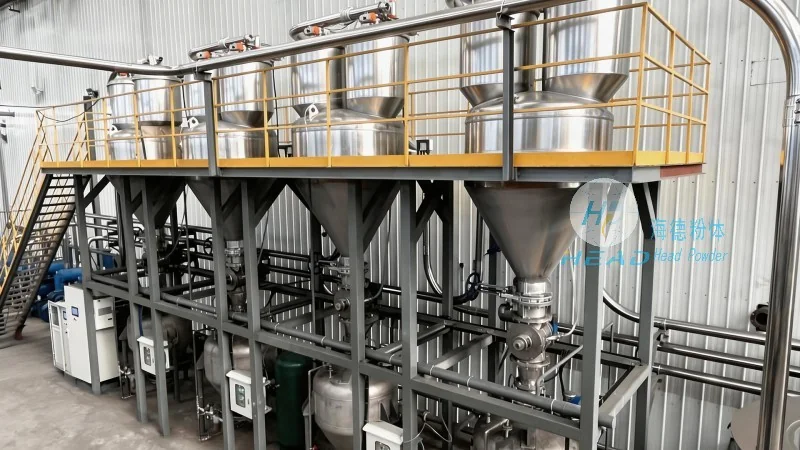
Key to the successful operation of heavy powder pneumatic conveying systems is the proper selection and integration of the components. The material feed hopper must be designed to handle the specific characteristics of the powder, such as its bulk density, flowability, and moisture content. The feeder must be capable of maintaining a consistent flow rate, which is critical for preventing surges or drops in the conveying line. The air compressor or blower must be selected based on the required air volume and pressure, ensuring that it can generate sufficient flow to transport the material over the desired distance. The conveying pipeline must be made of materials that are resistant to the corrosive or abrasive properties of the powder, and the diameter must be optimized to maintain the required flow velocity.
During operation, the system must be monitored to ensure that it is functioning within the optimal parameters. This includes checking the air pressure, flow rate, and material feed rate. Any deviations from the normal operating conditions may indicate a problem, such as a blockage in the pipeline or a malfunction of a component. Regular maintenance is also essential to ensure the longevity and reliability of the system. This includes cleaning the hopper and pipeline, replacing worn parts, and performing routine inspections. By following proper maintenance procedures, the system can operate efficiently for extended periods, minimizing downtime and maintenance costs.
In conclusion, heavy powder pneumatic conveying systems are a highly effective method for transporting bulk powders in industrial applications. The operation process involves the controlled feeding of material into a hopper, the generation of air flow by a compressor or blower, the transport of the material through a pipeline, and the discharge of the material at the receiving end. The working principle is based on the suspension of powder particles in a high-velocity air stream, which allows for efficient and reliable transportation. Shandong HeadPowder Engineering Co., Ltd. provides advanced and customized solutions for such systems, ensuring that clients receive equipment that meets their specific needs and enhances their operational efficiency. With proper design, installation, and maintenance, these systems can offer significant benefits in terms of productivity, cost savings, and safety.

 Shandong Headpowder Engineering Co., Ltd.
 156-6277-7102(Manager Zhang)
  0531-83386006
  Zhangqiu District, Jinan City, Shandong Province, China
telephone
WeChatconsult
top