With more than 10‑year industry experience, Shandong Headpowder delivers full‑service pneumatic‑conveying systems and blowers, undertaking nationwide turn‑key powder‑handling projects.
Resin pneumatic conveying equipment is a critical component in modern industrial operations, particularly for the transport of resin materials. This technology enables the efficient movement of resin particles from one location to another within a production facility, ensuring smooth and reliable material flow. By combining pneumatic transport principles with specialized engineering, the system achieves high-performance material handling, making it indispensable for manufacturers dealing with resin-based products.
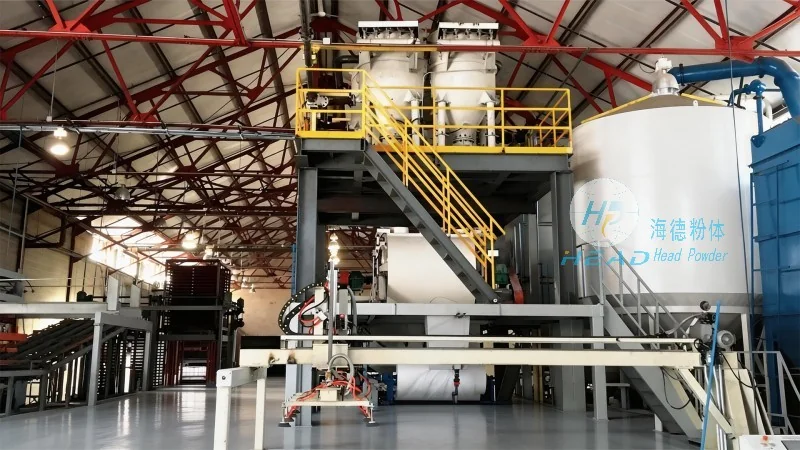
Resin pneumatic conveying systems are composed of several essential components that collaborate to facilitate the transport process. These components include the feed hopper (or hopper), which stores and meters the resin material; the air supply system, responsible for generating the necessary airflow; the conveying line, which transports the resin particles; and the separation or collection system, which returns the air and collects the resin. Each component plays a vital role in ensuring the system's efficient operation. The feed hopper is designed to hold and regulate the resin, while the air supply system provides the pressure or vacuum required for pneumatic transport. The conveying line, typically constructed from durable materials like stainless steel or plastic, ensures the safe and effective movement of resin particles. The separation system, which may incorporate cyclones or filters, removes residual air and collects the resin, preventing material loss and maintaining system efficiency.
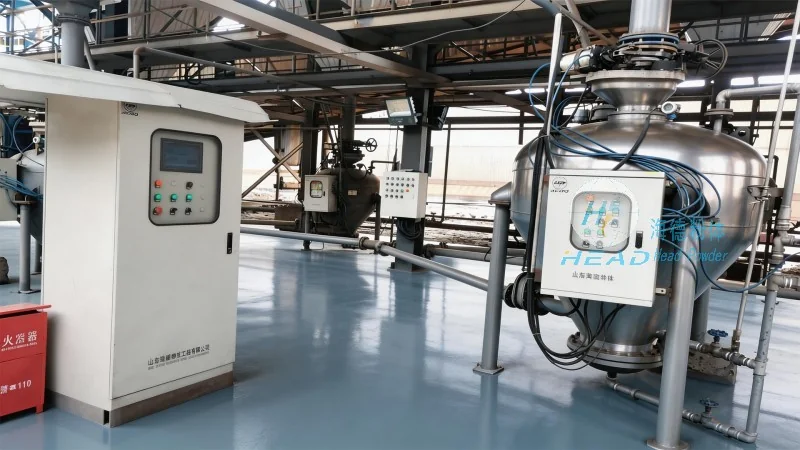
The operation process of resin pneumatic conveying involves a series of sequential steps that ensure the smooth transport of resin materials. The process starts with resin being loaded into the feed hopper. From there, the material is metered and fed into the conveying line as the air supply system generates the required airflow. The resin particles are then carried along the conveying line by the moving air, which can be either positive pressure (blowing air into the line) or negative pressure (sucking air out of the line). The choice of pressure type depends on the specific application and the resin's characteristics. As the resin travels through the conveying line, it may encounter bends, elbows, or expansion joints, which are designed to maintain flow and prevent material buildup. The separation system at the end of the line captures the resin and returns the air to the system, completing the cycle. This continuous process allows for efficient and consistent resin transport, minimizing downtime and maximizing productivity.
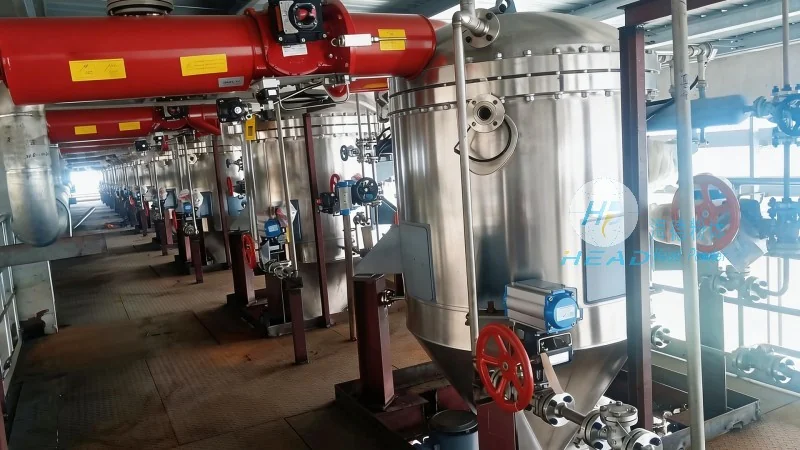
The working principle of resin pneumatic conveying is based on fluid dynamics and particle transport physics. The system utilizes air momentum to move resin particles through the conveying line. In positive pressure systems, compressed air is introduced into the feed hopper, creating a pressure differential that pushes resin particles into the conveying line. The air then carries the particles along the line, maintaining a consistent flow rate. In negative pressure systems, a vacuum is created at the end of the line, drawing resin particles and air into the system. The air transports the particles to the collection point, where the air is filtered and the resin is separated. Efficient operation relies on maintaining the correct air-to-material ratio, ensuring resin particles are fully suspended and transported without system clogging. This balance is critical for preventing material degradation and equipment longevity.
Resin pneumatic conveying equipment offers several advantages over traditional material handling methods, such as belt conveyors or bucket elevators. A primary benefit is the ability to transport resin in a closed system, preventing contamination and dust emissions—essential for industries where resin purity is critical, like high-performance plastics or composites production. The system is also flexible, easily integrating into existing production lines to transport resin between manufacturing stages. It is relatively compact, requiring less floor space than other solutions. Additionally, the equipment can handle a wide range of resin particle sizes and shapes, making it suitable for diverse applications. Continuous operation boosts productivity and reduces labor costs, as the equipment operates with minimal human intervention.
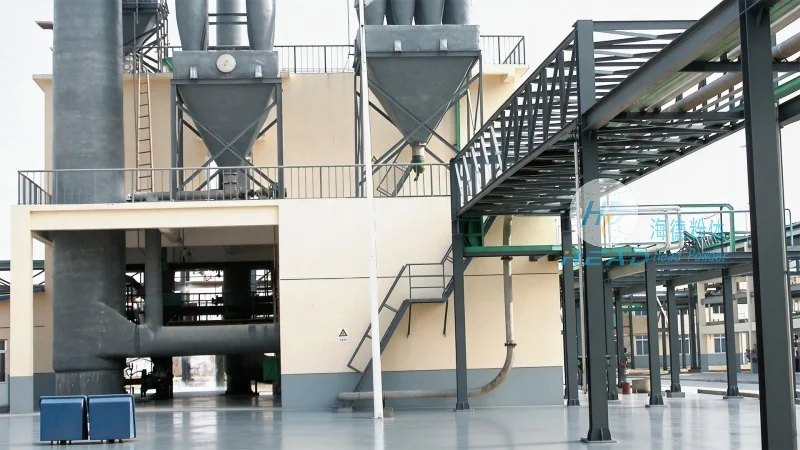
Shandong HeadPowder Engineering Co., Ltd., commonly known as headpowder, is a leading manufacturer of resin pneumatic conveying equipment and industrial solutions. With a focus on innovation and quality, the company has become a trusted partner for businesses in the resin and material handling sectors. Headpowder specializes in designing and manufacturing custom pneumatic conveying systems tailored to client needs. Its products are recognized for durability, efficiency, and reliability, meeting high performance standards. The company's team of experienced engineers and technicians collaborate closely with clients to understand unique requirements and develop solutions that optimize material flow and enhance productivity. Headpowder is committed to providing excellent customer service and support, ensuring clients receive top-tier service throughout equipment lifecycle. The company's headquarters is in Shandong, China, where it operates manufacturing facilities and research and development centers.

 Shandong Headpowder Engineering Co., Ltd.
 156-6277-7102(Manager Zhang)
  0531-83386006
  Zhangqiu District, Jinan City, Shandong Province, China
telephone
WeChatconsult
top