With more than 10‑year industry experience, Shandong Headpowder delivers full‑service pneumatic‑conveying systems and blowers, undertaking nationwide turn‑key powder‑handling projects.
Chlorinated polyethylene (CPE) is a widely used polymer material in various industrial applications, and the efficient handling of CPE powder or granules is crucial for maintaining production efficiency and product quality. Pneumatic conveying systems, particularly those designed for CPE, offer a reliable solution for transporting this material from storage to processing units. This article provides an in-depth look at the operation process and working principle of a chlorinated polyethylene pneumatic conveying line, highlighting the key components, operational steps, and the role of Shandong HeadPowder Engineering Co., Ltd. as a leading provider in this field.
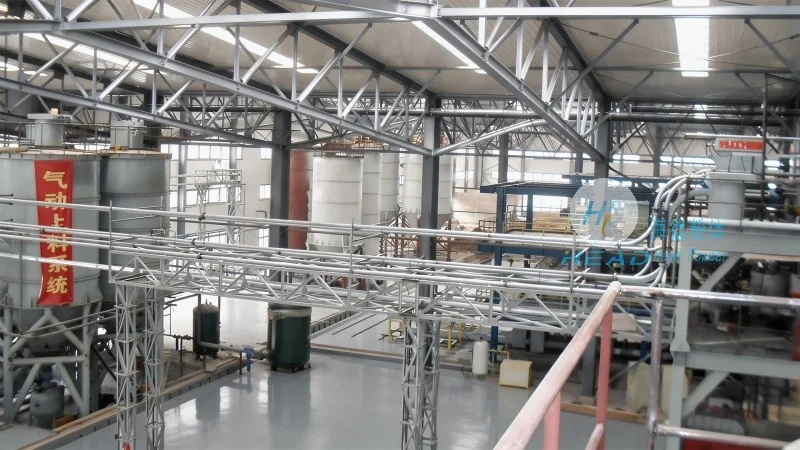
The core of a CPE pneumatic conveying system lies in its ability to transport solid materials using a stream of air or gas. The system typically operates on the principle of creating a pressure differential or using vacuum to move the material through a pipeline. In the case of CPE, which can be sensitive to moisture and temperature changes, the design of the conveying line must ensure minimal material degradation while maintaining high transfer efficiency. The system generally consists of a hopper for material storage, a feeder to control the flow rate, a conveying pipe, and a receiver for the material's final destination. Air is introduced into the system, either by a positive displacement blower or a venturi system, to create the necessary flow. As the material is fed into the pipe, it is entrained by the air stream and transported to the receiver. The choice of conveying method—such as dilute phase or dense phase—depends on the material's properties and the distance to be covered.
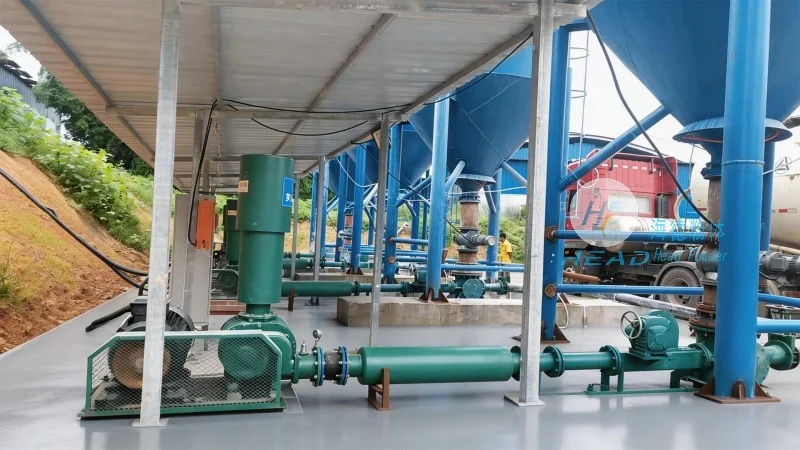
The operation of a CPE pneumatic conveying line involves several critical steps, each designed to ensure smooth and efficient material transfer. The process begins with the preparation phase, where the CPE material is loaded into the hopper. The hopper is equipped with a level indicator to monitor the material volume, ensuring that the feeder receives a consistent feed. The feeder, often a rotary valve or a screw feeder, regulates the flow rate of the CPE into the conveying pipe. This step is crucial as it prevents overloading or underloading, which can lead to system inefficiencies or material blockages. Once the feeder is activated, the air blower or venturi system is started, creating the air flow necessary for conveying. The air velocity is carefully controlled to maintain the material in suspension without causing excessive wear on the pipeline or components. As the material travels through the pipe, it is transported to the receiver, which is typically a storage silo or processing unit. The receiver is designed to separate the material from the air stream, often using a cyclone separator or a filter. The separated air is then discharged, while the CPE material is collected in the receiver. The entire process is monitored by a control system that adjusts the air flow and feed rate based on real-time conditions, such as material level or pressure changes. The system is designed to operate continuously, with minimal downtime for maintenance or cleaning. Regular checks of the hopper, feeder, and pipeline are performed to ensure that the material does not accumulate or cause blockages, which could affect the system's performance.
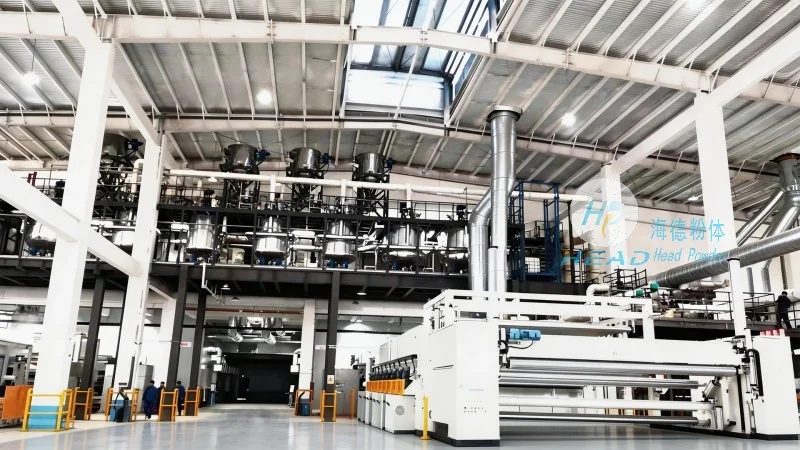
Several key components work together to ensure the efficient operation of a CPE pneumatic conveying line. The hopper serves as the primary storage unit, holding the CPE material and providing a consistent feed to the feeder. It is typically made of stainless steel or other corrosion-resistant materials to prevent degradation of the CPE, which can be sensitive to moisture and chemicals. The feeder, often a rotary valve or a screw feeder, controls the flow rate of the material into the conveying pipe. The rotary valve is preferred for its ability to handle a wide range of materials and its low maintenance requirements. The screw feeder, on the other hand, is suitable for granular materials and can provide a more precise flow control. The conveying pipe is the main pathway for the material and air, and it is usually made of plastic or metal, depending on the material's properties and the system's requirements. The pipe diameter and length are carefully selected to minimize pressure drop and ensure efficient material transport. The air blower or venturi system provides the necessary air flow, with the blower typically used for positive pressure systems and the venturi for negative pressure systems. The receiver, or discharge hopper, collects the CPE material and separates it from the air stream. It may include a cyclone separator to remove larger particles and a filter to capture fine dust. The control system, which includes sensors and a programmable logic controller (PLC), monitors the system's performance and adjusts the parameters as needed. This system ensures that the conveying process is optimized for efficiency and safety.
The use of a CPE pneumatic conveying line offers several benefits for industrial applications. First, it provides a dust-free and clean transfer of the material, which is essential for maintaining product quality and preventing contamination. The system is also compact and can be installed in confined spaces, making it suitable for facilities with limited floor space. Additionally, the system is flexible and can be adapted to different production requirements, such as varying material flow rates or distances. The benefits of this technology extend to the safety of the operation, as the system eliminates the need for manual handling of CPE, reducing the risk of accidents and exposure to the material. The applications of CPE pneumatic conveying are diverse, including the transportation of CPE from storage to extrusion or molding units, as well as from processing units to packaging areas. The system is particularly useful in industries such as construction, automotive, and electronics, where CPE is used in various products like pipes, sheets, and coatings. The efficiency and reliability of the system make it an ideal choice for continuous production lines, ensuring that the material is transferred quickly and without interruption.
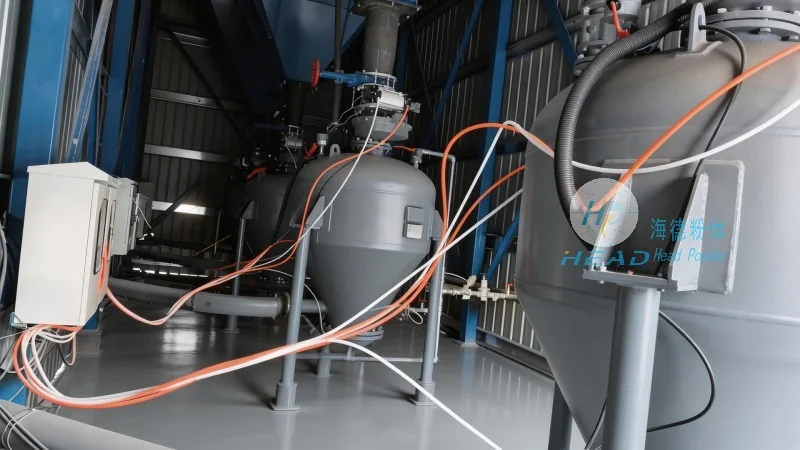
Shandong HeadPowder Engineering Co., Ltd., commonly known as HeadPowder, is a leading manufacturer and supplier of pneumatic conveying systems and related equipment. With its headquarters in Shandong, China, the company specializes in designing and manufacturing customized solutions for various industrial materials, including chlorinated polyethylene. HeadPowder's team of engineers and technicians has extensive experience in the field of material handling, ensuring that each system is tailored to meet the specific needs of the customer. The company adheres to strict quality standards and uses advanced technology to ensure the reliability and efficiency of its products. HeadPowder's commitment to customer satisfaction and innovation has made it a trusted partner for many industries, providing them with reliable and efficient pneumatic conveying solutions. The company's products are widely used in various sectors, including chemical, food, and pharmaceutical industries, and are known for their durability and low maintenance requirements.

 Shandong Headpowder Engineering Co., Ltd.
 156-6277-7102(Manager Zhang)
  0531-83386006
  Zhangqiu District, Jinan City, Shandong Province, China
telephone
WeChatconsult
top