With more than 10‑year industry experience, Shandong Headpowder delivers full‑service pneumatic‑conveying systems and blowers, undertaking nationwide turn‑key powder‑handling projects.
Chromic oxide, a critical industrial material, requires efficient and reliable handling solutions for its transportation. The pneumatic conveying equipment designed for this purpose operates on principles that ensure safe, effective, and cost-efficient material movement. This article delves into the core mechanisms and operational concepts behind chromic oxide pneumatic conveying systems, highlighting the technical advancements and practical applications that define modern material handling in industrial settings.
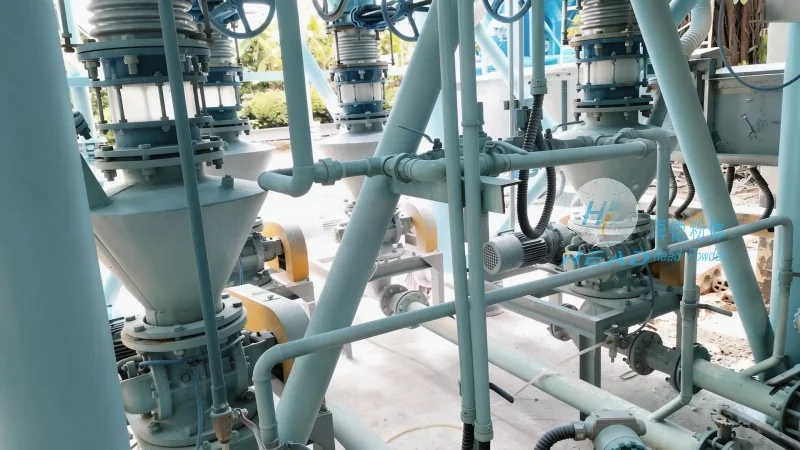
Shandong HeadPowder Engineering Co., Ltd. (headpowder) is a leading manufacturer specializing in the design, development, and supply of advanced pneumatic conveying equipment. With a strong focus on precision engineering and customer-centric solutions, the company has established itself as a key player in the industry. HeadPowder's expertise lies in creating customized systems that meet the unique requirements of clients handling chromic oxide and other challenging materials. The company's commitment to quality, safety, and innovation ensures that its products deliver optimal performance and reliability in diverse industrial applications.
The fundamental principle of pneumatic conveying involves the use of air or other gases to transport solid materials through a pipeline. In the case of chromic oxide, which is often a fine or powdery substance, the system typically employs a positive pressure or negative pressure (vacuum) method. Positive pressure systems use a blower to generate air flow that pushes the material through the pipeline, while negative pressure systems use a vacuum to draw the material. The choice of method depends on factors such as material characteristics, distance, and system layout. For chromic oxide, which can be abrasive and potentially corrosive, the design of the conveying equipment must consider material compatibility and wear resistance to ensure long-term operational efficiency.
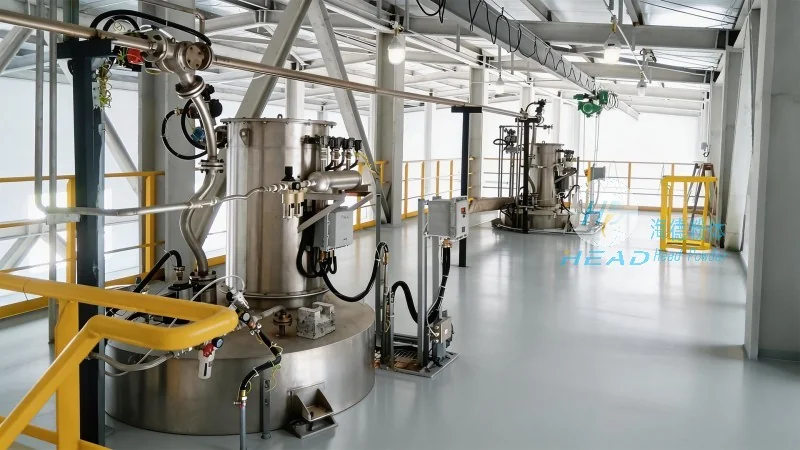
A chromic oxide pneumatic conveying system comprises several critical components, each playing a vital role in the overall operation. The primary components include the material feed system, the conveying line, the air supply or vacuum source, and the material discharge unit. The material feed system, often a hopper or a rotary valve, ensures a controlled and consistent flow of chromic oxide into the system. The conveying line, typically made of corrosion-resistant materials like stainless steel or special alloys, is designed to withstand the abrasive nature of the material and prevent clogging. The air supply system, which may include a blower or a vacuum pump, generates the necessary pressure or vacuum to move the material through the pipeline. The discharge unit, such as a rotary valve or a dust collector, safely releases the material at the destination, preventing dust emissions and ensuring environmental compliance.
Compared to traditional mechanical conveying methods, pneumatic conveying offers several advantages for handling chromic oxide. These include the ability to transport materials over long distances without the need for multiple transfer points, reduced risk of material contamination due to enclosed systems, and lower maintenance requirements as there are fewer moving parts. Additionally, pneumatic systems can handle materials with varying particle sizes and moisture content, making them versatile for different industrial applications. For chromic oxide, which is often used in chemical and manufacturing processes, the efficiency and reliability of pneumatic conveying are crucial for maintaining production continuity and product quality.
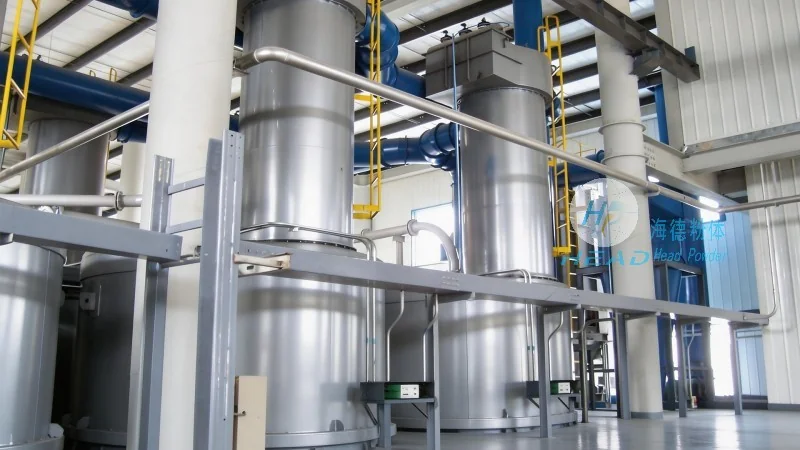
HeadPowder Engineering recognizes that each industrial application has unique requirements. Therefore, the company offers customized pneumatic conveying solutions tailored to the specific needs of chromic oxide handling. This includes designing systems with varying conveying capacities, pressure levels, and material feed rates to match production demands. The company also considers factors such as the destination of the material, whether it is for storage, processing, or further use, to ensure the system is optimized for the entire workflow. By providing flexible and adaptable solutions, HeadPowder helps clients achieve optimal material handling efficiency while minimizing operational costs and downtime.
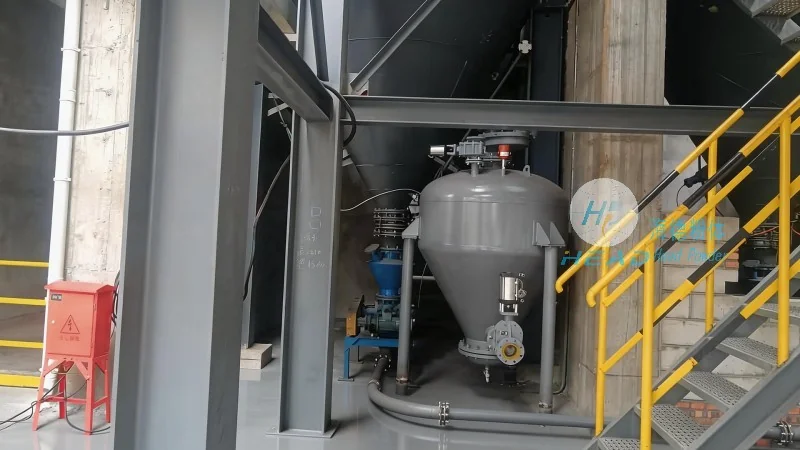
Handling chromic oxide requires adherence to strict safety and regulatory standards. Pneumatic conveying systems designed by HeadPowder Engineering incorporate features to ensure compliance with environmental and occupational health regulations. These include dust collection systems to prevent airborne particle emissions, explosion-proof components for safe operation in potentially hazardous environments, and material handling protocols that minimize exposure risks. The company also follows industry best practices in material handling, ensuring that its equipment is designed to handle the specific properties of chromic oxide, such as its potential to cause skin irritation or respiratory issues if not handled properly. By prioritizing safety and compliance, HeadPowder provides clients with reliable and responsible material handling solutions.
In conclusion, the pneumatic conveying equipment for chromic oxide plays a vital role in modern industrial processes. By leveraging the principles of air or gas flow to transport materials, these systems offer efficient, safe, and cost-effective solutions for handling chromic oxide. HeadPowder Engineering, with its expertise and commitment to quality, provides customized and reliable pneumatic conveying systems that meet the diverse needs of clients in the industry. As the demand for efficient material handling continues to grow, the importance of advanced pneumatic conveying systems in optimizing chromic oxide processing cannot be overstated. With its focus on innovation and customer satisfaction, HeadPowder remains a trusted partner for businesses seeking to enhance their material handling capabilities and improve overall operational performance.

 Shandong Headpowder Engineering Co., Ltd.
 156-6277-7102(Manager Zhang)
  0531-83386006
  Zhangqiu District, Jinan City, Shandong Province, China
telephone
WeChatconsult
top