With more than 10‑year industry experience, Shandong Headpowder delivers full‑service pneumatic‑conveying systems and blowers, undertaking nationwide turn‑key powder‑handling projects.
PTFE (Polytrifluorochloroethylene) is a high-performance fluoropolymer known for its exceptional chemical resistance, thermal stability, and low friction properties. Pneumatic conveying systems utilizing PTFE materials are widely used in industries requiring the safe and efficient transport of powders and granules, especially in environments where corrosion, high temperatures, or aggressive chemicals are present. This article provides an in-depth look at the operation process and working principle of PTFE pneumatic conveying lines, highlighting key components, operational steps, and the underlying technology that enables reliable material handling. The systems are designed and manufactured by Shandong HeadPowder Engineering Co., Ltd., a leading provider of specialized material handling solutions based in China.
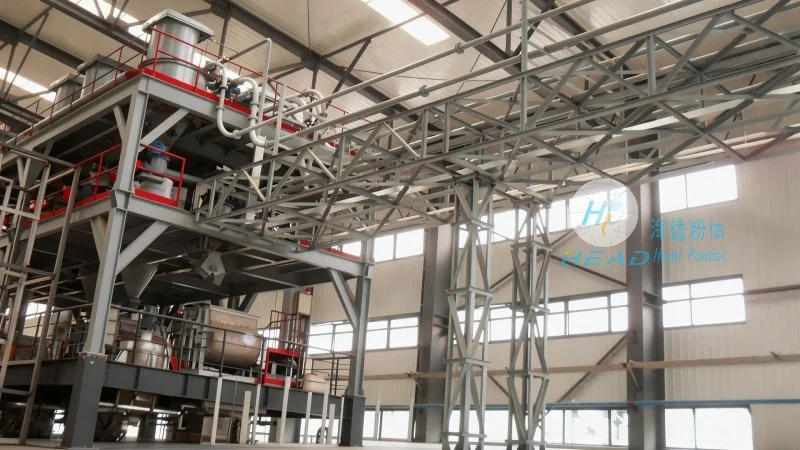
PTFE pneumatic conveying systems are engineered to transport bulk materials such as powders, granules, or fine particles through a pipeline using air or other gases as the conveying medium. Unlike mechanical conveying methods (e.g., screw conveyors or belt conveyors), pneumatic systems offer advantages like flexibility in layout, ability to handle abrasive or sensitive materials, and reduced risk of product contamination. The choice of PTFE as the primary material for components like pipes, valves, and fittings is critical due to its resistance to a wide range of chemicals, including acids, bases, and solvents, as well as its ability to maintain performance at elevated temperatures.
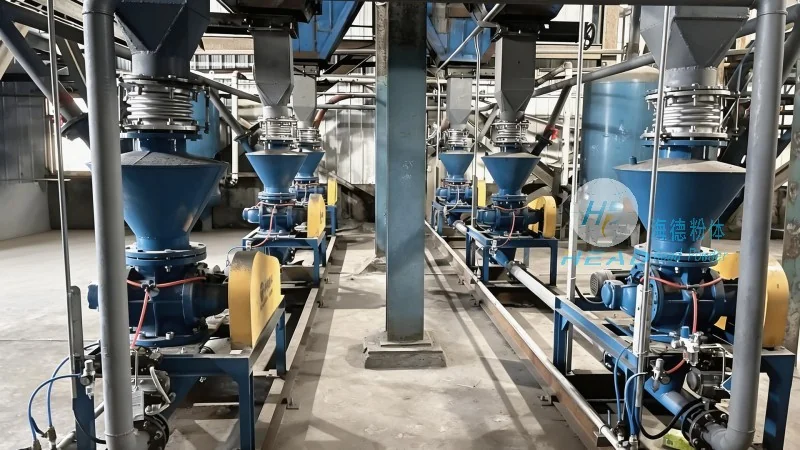
The core components of a PTFE pneumatic conveying system include the material feed hopper, conveying pipeline, air or gas source, and discharge equipment. Each component is designed to work in harmony to ensure efficient and safe material transport. The material feed hopper is typically equipped with a rotary valve or feeder to control the flow rate of the material into the system. The conveying pipeline, often made from PTFE or PTFE-lined metal, is responsible for transporting the material and air mixture. The air source, usually a blower or compressor, generates the necessary pressure or vacuum to move the material. Finally, the discharge equipment, such as a rotary valve or cyclone separator, collects the conveyed material at the destination point.
The fundamental principle behind PTFE pneumatic conveying is the use of air or gas to create a flow that entrains and transports the material particles. There are two primary modes of operation: pressure conveying and vacuum conveying. In pressure conveying, the air is introduced at the discharge end of the pipeline, creating a positive pressure that pushes the material forward. In vacuum conveying, the air is drawn from the inlet end, creating a negative pressure that pulls the material into the pipeline. PTFE materials are chosen for their ability to withstand the pressures and temperatures associated with both modes of operation, ensuring consistent performance over time.
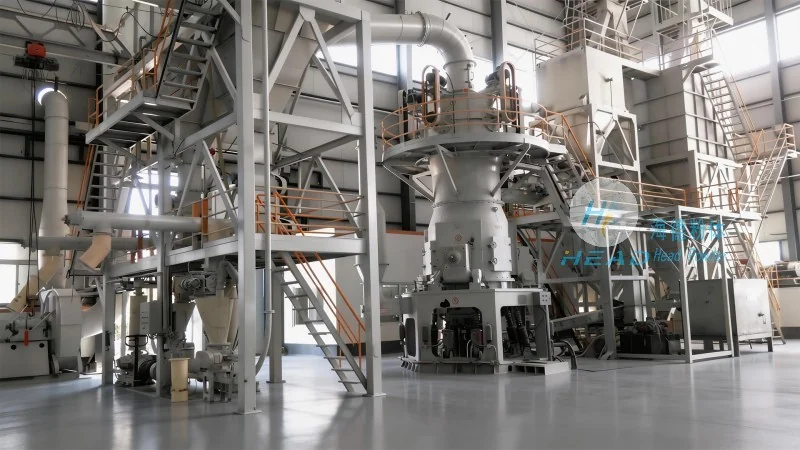
The operation process of a PTFE pneumatic conveying line involves several sequential steps to ensure smooth and efficient material transport. First, the material is loaded into the feed hopper. The rotary valve or feeder then regulates the flow rate, controlling the amount of material entering the pipeline. Simultaneously, the air source is activated, providing the necessary airflow to start the conveying process. As the material is fed into the pipeline, the air entrains the particles, creating a mixture that travels through the conveying line. The mixture reaches the discharge equipment, where the material is separated from the air. The separated material is collected, and the air is either filtered or recirculated back into the system. This cycle repeats continuously as long as material is available and the system is operational.

 Shandong Headpowder Engineering Co., Ltd.
 156-6277-7102(Manager Zhang)
  0531-83386006
  Zhangqiu District, Jinan City, Shandong Province, China
telephone
WeChatconsult
top