

Operation Process and Working Principle of Soda Ash Pneumatic Conveying Lines
Understanding the operation process and working principle of soda ash pneumatic conveying lines is crucial for optimizing material handling efficiency in industrial applications. This article provides a detailed overview of the key components, operational steps, and technical aspects involved in these systems, tailored for professionals seeking to enhance their knowledge of bulk material transport solutions.
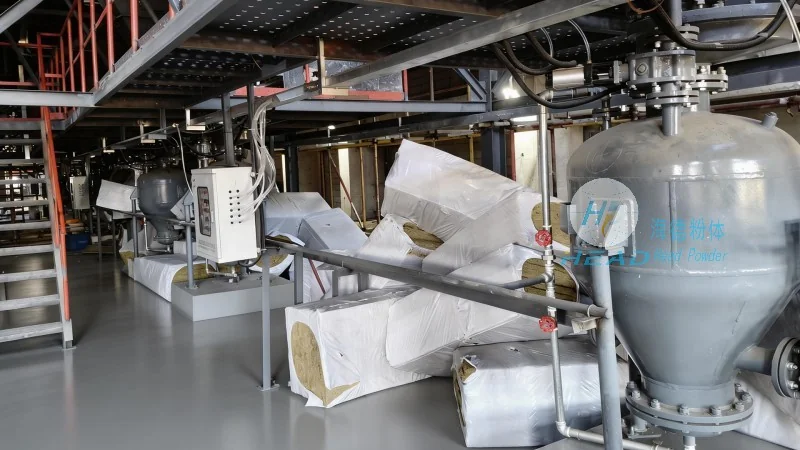
Introduction to Soda Ash Pneumatic Conveying Systems
Soda ash, also known as sodium carbonate, is a widely used chemical in various industries including glass manufacturing, chemical processing, and water treatment. The efficient transport of this bulk material from storage to processing units is essential for maintaining production continuity and reducing operational costs. Pneumatic conveying lines offer a reliable and flexible solution for moving soda ash, especially in environments where traditional mechanical conveyors may face challenges such as dust, moisture, or space constraints.
Key Components of a Soda Ash Pneumatic Conveying Line
The core components of a soda ash pneumatic conveying system include the material hopper, feeder, air compressor, conveying pipe, and receiver. Each component plays a vital role in ensuring the smooth and safe transport of the material. The material hopper stores the soda ash and provides a consistent feed to the feeder. The feeder, typically a rotary valve or screw feeder, controls the flow rate of the material into the conveying line. The air compressor generates the necessary air pressure to move the material through the pipes. The conveying pipes are designed to withstand the pressure and abrasion from the soda ash particles. The receiver collects the material at the destination point, allowing for easy discharge into the processing equipment.
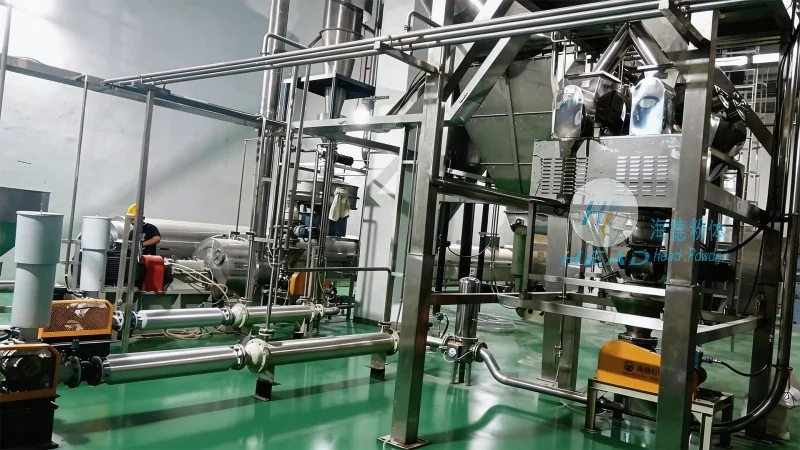
Working Principle of Pneumatic Conveying
The working principle of a soda ash pneumatic conveying line is based on the use of compressed air to transport the material. When the feeder releases the soda ash into the conveying pipe, the compressed air creates a flow that lifts and propels the material particles forward. The air velocity within the pipe must be sufficient to overcome the gravitational force and the friction between the particles and the pipe walls. The system can operate in either positive pressure or negative pressure modes, depending on the application requirements. Positive pressure systems use compressed air to push the material, while negative pressure systems use suction to draw the material from the source.
Operation Process of a Soda Ash Pneumatic Conveying Line
The operation process of a soda ash pneumatic conveying line involves several sequential steps to ensure efficient material transport. First, the soda ash is loaded into the material hopper. The feeder then regulates the flow rate, ensuring a steady supply of material into the conveying pipe. The air compressor starts and generates the required air pressure. The compressed air is introduced into the conveying pipe, creating a flow that moves the soda ash particles. The material travels through the pipes to the receiver, where it is collected and discharged into the processing equipment. The system continuously monitors the pressure and flow rates to maintain optimal performance. Any adjustments to the feeder speed or air pressure are made to maintain the desired material flow rate and prevent blockages or excessive pressure drops.
Advantages of Using Pneumatic Conveying for Soda Ash
Pneumatic conveying systems offer several advantages over traditional mechanical conveyors for transporting soda ash. These include the ability to handle fine or abrasive materials without causing excessive wear and tear on the equipment. The enclosed system prevents dust and contamination, ensuring a cleaner working environment. Pneumatic conveying also allows for flexible routing of the conveying lines, enabling the material to be transported to multiple destinations from a single source. Additionally, the system can be easily integrated with other processing equipment, such as mixers or reactors, to streamline the production process.
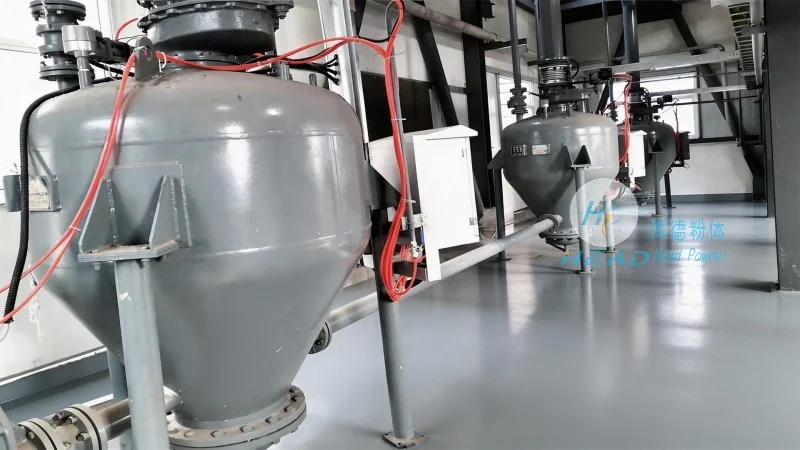
Maintenance and Safety Considerations
Maintaining the performance and safety of a soda ash pneumatic conveying line is essential for long-term operation. Regular maintenance includes checking the air compressor for proper pressure and airflow, inspecting the conveying pipes for blockages or wear, and ensuring the feeder is functioning correctly. Safety considerations include the use of explosion-proof components in hazardous environments, proper ventilation to remove dust, and regular cleaning of the system to prevent material buildup. Proper training of operators on the system's operation and emergency procedures is also crucial for ensuring safe and efficient operation.
Conclusion
In conclusion, the operation process and working principle of soda ash pneumatic conveying lines are critical for efficient bulk material transport in industrial settings. By understanding the key components, operational steps, and technical aspects of these systems, industries can optimize their material handling processes, reduce costs, and improve overall productivity. The reliable and flexible nature of pneumatic conveying makes it an ideal solution for transporting soda ash, especially in applications where traditional conveyors may not be suitable.