With more than 10‑year industry experience, Shandong Headpowder delivers full‑service pneumatic‑conveying systems and blowers, undertaking nationwide turn‑key powder‑handling projects.
HeadPowder, a leading manufacturer based in Shandong, China, specializes in the design, production, and supply of advanced pneumatic conveying systems. Among their product lineup is the ton bag pneumatic conveying equipment, which is widely used in various industrial sectors for efficient bulk material handling. This article provides a detailed exploration of the operation process and working principle of this equipment, highlighting its key features and practical applications.
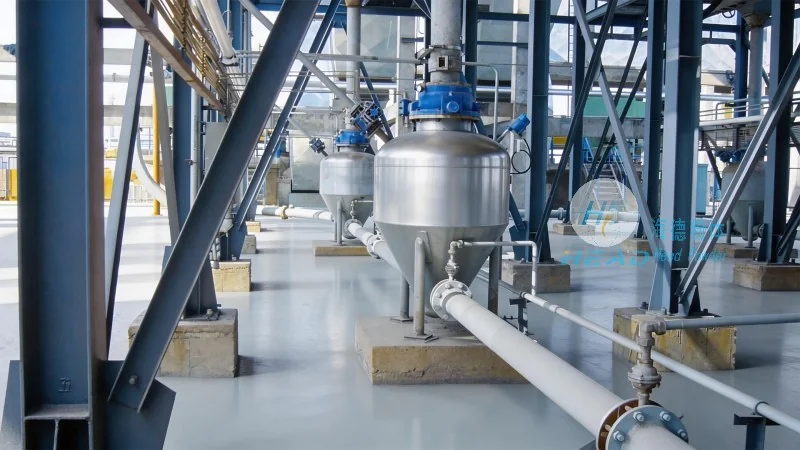
The ton bag pneumatic conveying system is a sophisticated piece of industrial machinery engineered to transport bulk materials from one location to another using compressed air or other gases. It is particularly suitable for handling materials in large quantities, such as powders, granules, and other dry substances. The system typically consists of several core components, including a hopper, a feeder, a conveying line, a receiver, and a control system. Each component plays a crucial role in ensuring the smooth and efficient operation of the entire process.
1. Hopper: The hopper is the initial storage container where the bulk material is loaded. It is designed to hold a substantial amount of material, often in the range of tons, as indicated by the name "ton bag." The hopper is equipped with a discharge valve or gate that controls the flow of material into the feeder. Its design ensures minimal material degradation and dust generation during storage.
2. Feeder: The feeder is responsible for regulating the flow of material from the hopper into the conveying line. It can be a rotary valve, a screw feeder, or a vibratory feeder, depending on the specific requirements of the material being handled. The feeder ensures a consistent and controlled feed rate, which is critical for maintaining the stability of the conveying process and preventing blockages or overloading of the system.
3. Conveying Line: The conveying line is the central part of the system where the material is transported. It is usually made of stainless steel or other corrosion-resistant materials to handle various types of materials and to ensure durability. The line is connected to a blower or compressor that supplies the necessary air pressure to move the material. The design of the line, including the diameter and length, is optimized to minimize pressure drop and energy consumption while maximizing conveying efficiency.
4. Receiver: The receiver is the final storage container where the material is deposited after being conveyed. It is typically a hopper or a silo designed to hold the material until it is further processed or shipped. The receiver is equipped with a discharge valve or outlet to allow the material to be released as needed.
5. Control System: The control system manages all aspects of the conveying process, including the operation of the feeder, the blower, and the discharge valves. It ensures that the system operates safely and efficiently by monitoring parameters such as pressure, flow rate, and material level. The control system can be automated or semi-automated, depending on the specific needs of the application.
The operation of the ton bag pneumatic conveying equipment follows a systematic sequence of steps to ensure the efficient transfer of bulk materials. The process begins with the loading of the hopper with the material to be conveyed. Once the hopper is filled, the feeder starts to discharge the material at a controlled rate into the conveying line. Simultaneously, the blower or compressor supplies compressed air to the line, creating a pressure differential that propels the material forward.
As the material moves through the conveying line, it is carried by the air stream, which can be either positive pressure (air moving material) or negative pressure (material being pulled by the air). The design of the line, including the use of bends, elbows, and other components, is optimized to minimize friction and pressure loss, ensuring that the material reaches the receiver without significant degradation or loss of quality.
Upon reaching the receiver, the material is deposited and collected. The control system monitors the material level in the receiver and adjusts the feeder and blower operation as needed to maintain a consistent flow. The process continues until the hopper is empty or the required amount of material has been transferred to the receiver.
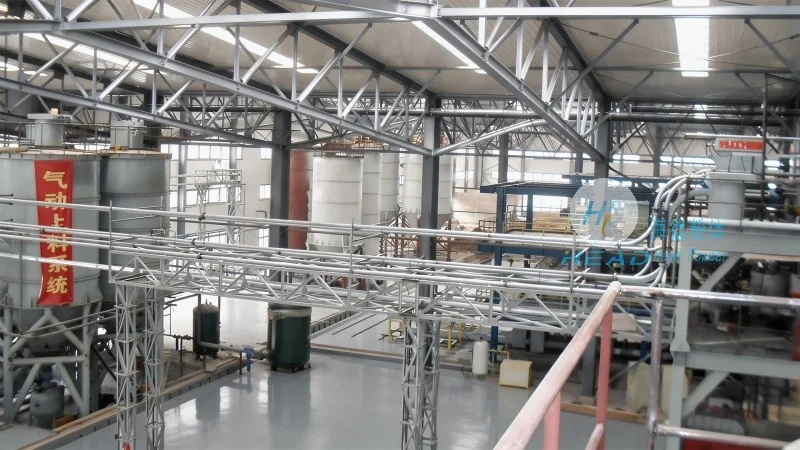
The working principle of the ton bag pneumatic conveying equipment is based on the fundamental concept of pneumatic transport, which involves the use of air to move solid materials. The core principle is the creation of a pressure differential between the hopper and the receiver, which drives the material through the conveying line.
In positive pressure systems, the blower supplies compressed air into the conveying line, creating a higher pressure at the hopper end. This pressure forces the material to move forward as it is entrained by the air stream. The air and material mixture then travels through the line to the receiver, where the air is typically separated from the material using a cyclone or other separation device.
In negative pressure systems, the blower draws air from the receiver, creating a lower pressure at the hopper end. This creates a suction effect that pulls the material from the hopper into the conveying line. The material is then carried by the air stream to the receiver, where the air is filtered and released back into the environment.
The choice between positive and negative pressure systems depends on various factors, including the nature of the material, the distance to be conveyed, and the environmental considerations. Both systems are designed to ensure efficient and reliable material transport while minimizing energy consumption and operational costs.
The ton bag pneumatic conveying equipment offers several advantages over traditional material handling methods, such as belt conveyors or bucket elevators. These advantages include:
1. Efficiency and Speed: The system can transport large quantities of material quickly and efficiently, reducing handling time and increasing productivity.
2. Flexibility: The equipment can be easily reconfigured to handle different types of materials and to change the conveying route as needed.
3. Low Maintenance: The system has fewer moving parts compared to other conveyors, resulting in lower maintenance costs and longer service life.
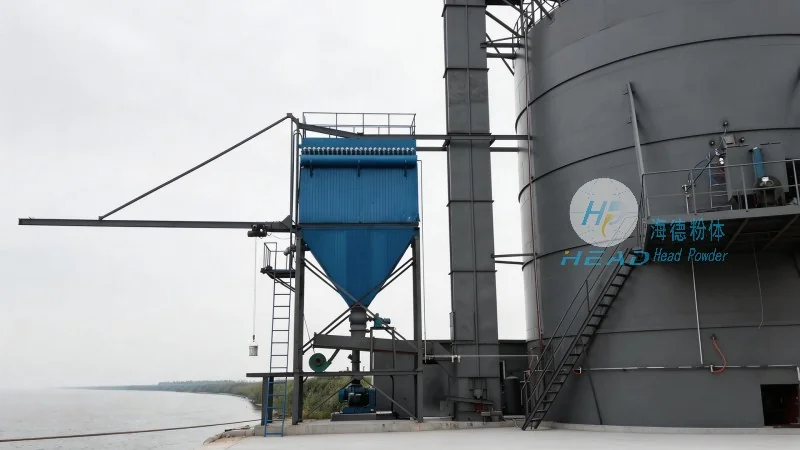
4. Cleanliness: The enclosed design of the system prevents dust and contamination, making it suitable for handling food-grade or pharmaceutical materials.
5. Energy Efficiency: Modern pneumatic conveying systems are designed to be energy-efficient, with optimized air flow and pressure control to minimize energy consumption.
Applications of the ton bag pneumatic conveying equipment are widespread across various industries, including:
1. Food and Beverage: Handling powders such as flour, sugar, and coffee beans.
2. Pharmaceutical: Transporting raw materials and finished products in sterile environments.
3. Chemical: Conveying powders and granules in chemical plants.
4. Mineral and Mining: Moving bulk materials such as ores and coal.
5. Paper and Pulp: Handling wood chips and other raw materials.
HeadPowder's ton bag pneumatic conveying equipment is a reliable and efficient solution for bulk material handling in various industrial applications. By understanding the operation process and working principle of this equipment, users can optimize its performance and ensure smooth, continuous operation. The system's flexibility, efficiency, and low maintenance requirements make it an ideal choice for modern industrial settings, contributing to increased productivity and reduced operational costs.

 Shandong Headpowder Engineering Co., Ltd.
 156-6277-7102(Manager Zhang)
  0531-83386006
  Zhangqiu District, Jinan City, Shandong Province, China
telephone
WeChatconsult
top