With more than 10‑year industry experience, Shandong Headpowder delivers full‑service pneumatic‑conveying systems and blowers, undertaking nationwide turn‑key powder‑handling projects.
HeadPowder, a leading manufacturer based in Shandong, China, specializes in the design, development, and implementation of advanced dust-free automatic pneumatic conveying systems. These systems are engineered to efficiently transport bulk materials while maintaining a clean, controlled environment, making them ideal for industries such as food processing, pharmaceuticals, and chemical manufacturing where contamination control is critical.
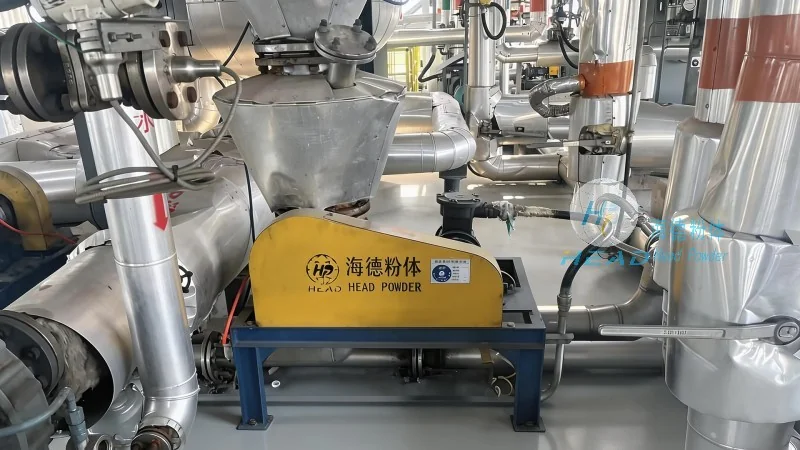
The operation of a dust-free automatic pneumatic conveying system involves several key steps. First, the material is loaded into the hopper or feeder, where it is then drawn into the conveying line by a vacuum or pressure source. The system uses a combination of air flow and mechanical components to move the material through the pipeline. As the material travels, it is continuously mixed with air, which helps to prevent caking and blockages. The conveying process is controlled by a programmable logic controller (PLC), which monitors the flow rate, pressure, and other parameters to ensure optimal performance. The system can be configured to handle various materials, including powders, granules, and fine particles, with different conveying capacities ranging from low to high volumes.
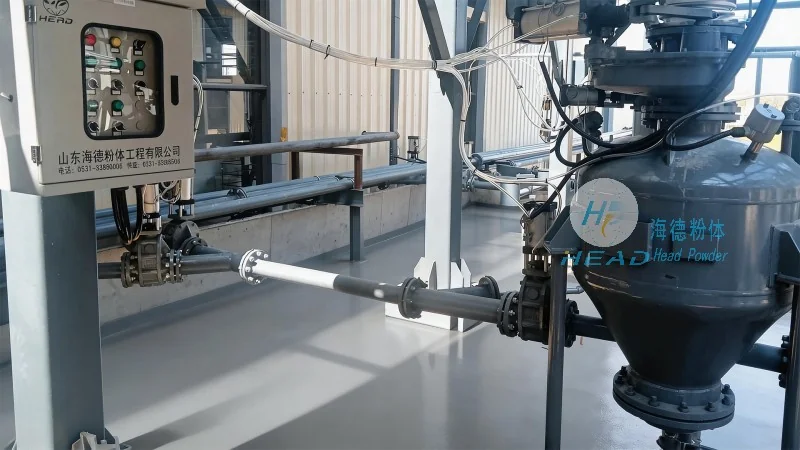
The core principle of the dust-free automatic pneumatic conveying system is the use of air as the conveying medium. The system operates by creating a pressure differential between the inlet and outlet of the conveying line. In a vacuum system, the inlet is under negative pressure, drawing material from the hopper into the line. In a pressure system, the inlet is under positive pressure, pushing material through the line. The air flow is controlled by a blower or compressor, which provides the necessary energy to move the material. The system also includes filters and cyclones to separate the material from the air, ensuring that the material is conveyed without contamination. The control system monitors the pressure and flow rates, adjusting the air volume as needed to maintain a consistent conveying rate. This ensures that the material is transported efficiently and safely, with minimal risk of spillage or contamination.
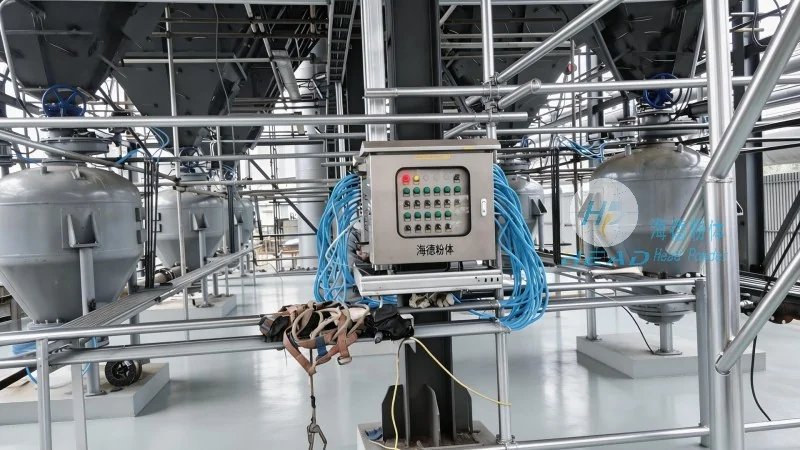
The dust-free automatic pneumatic conveying system consists of several key components, each playing a crucial role in the overall operation. The hopper or feeder is the initial component, where the bulk material is stored and prepared for conveying. It is designed to provide a consistent flow of material to the system, preventing blockages and ensuring smooth operation. The feeder may include a rotary valve or a vibratory feeder to control the material flow rate. The conveying line is typically made of stainless steel or other corrosion-resistant materials, which are suitable for handling various materials and maintaining a clean environment. The line is equipped with elbows, tees, and other fittings to direct the material and air flow. The blower or compressor is the power source, providing the necessary air pressure or vacuum to move the material. The system may include a filter or cyclone to separate the material from the air, ensuring that the material is conveyed without contamination. The control system, often a programmable logic controller (PLC), monitors and controls the operation of the system, adjusting the air flow and material flow as needed to maintain optimal performance.
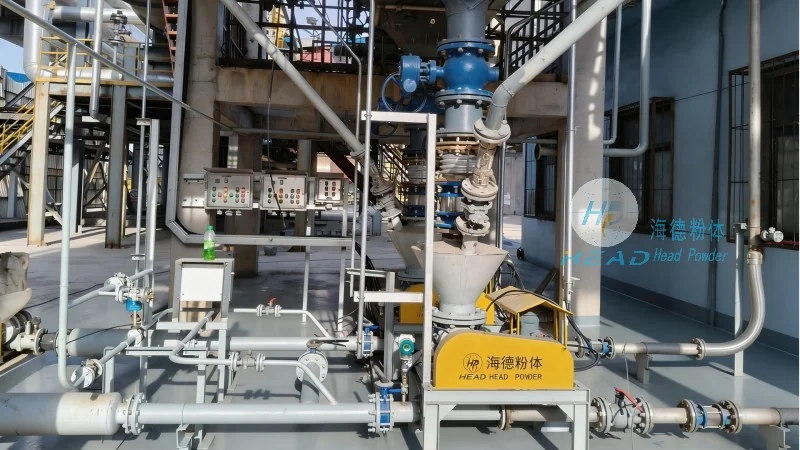
The operation of the dust-free automatic pneumatic conveying system begins with the loading of the bulk material into the hopper. The material is then drawn into the conveying line by the vacuum or pressure source. The system uses a combination of air flow and mechanical components to move the material through the pipeline. As the material travels, it is continuously mixed with air, which helps to prevent caking and blockages. The conveying process is controlled by a programmable logic controller (PLC), which monitors the flow rate, pressure, and other parameters to ensure optimal performance. The system can be configured to handle various materials, including powders, granules, and fine particles, with different conveying capacities ranging from low to high volumes. The material is then discharged from the outlet of the conveying line into the receiving container or processing equipment. The system may include a filter or cyclone to separate the material from the air, ensuring that the material is conveyed without contamination. The control system monitors the pressure and flow rates, adjusting the air volume as needed to maintain a consistent conveying rate. This ensures that the material is transported efficiently and safely, with minimal risk of spillage or contamination.

 Shandong Headpowder Engineering Co., Ltd.
 156-6277-7102(Manager Zhang)
  0531-83386006
  Zhangqiu District, Jinan City, Shandong Province, China
telephone
WeChatconsult
top