With more than 10‑year industry experience, Shandong Headpowder delivers full‑service pneumatic‑conveying systems and blowers, undertaking nationwide turn‑key powder‑handling projects.
Centralized material feeding equipment, often referred to as central feeding systems, plays a critical role in modern industrial production, particularly in sectors requiring precise and efficient material handling. These systems are designed to streamline the supply of raw materials or components to various workstations, enhancing productivity and reducing operational costs. The operation and working principles of such equipment are fundamental to understanding their effectiveness and integration into manufacturing processes.
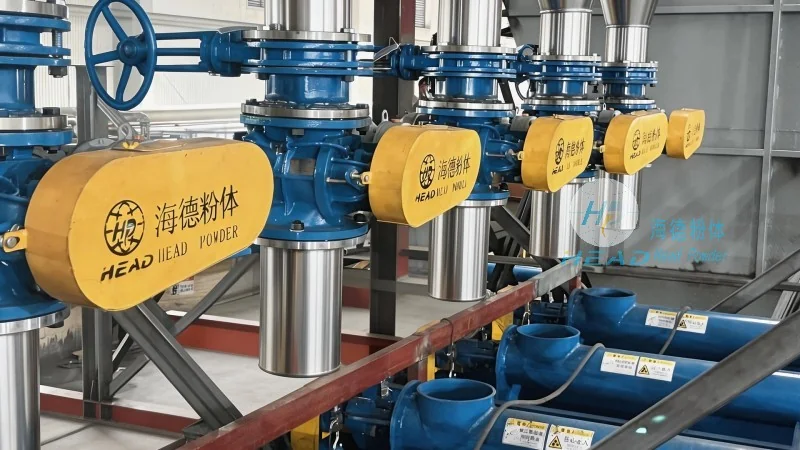
Before delving into the operation process, it is essential to understand the core components that make up a typical centralized material feeding system. These components include a material storage hopper, a feeding mechanism (such as a screw, vibratory feeder, or conveyor), a control system, and a distribution network that delivers materials to individual workstations. The storage hopper is responsible for holding the bulk material, while the feeding mechanism regulates the flow rate and consistency of the material being dispensed. The control system, often integrated with sensors and automation technology, ensures precise control over the feeding process, adapting to varying production demands. The distribution network, which may consist of pipes, hoses, or conveyor lines, transports the material from the central storage to the specific points of use within the production line.
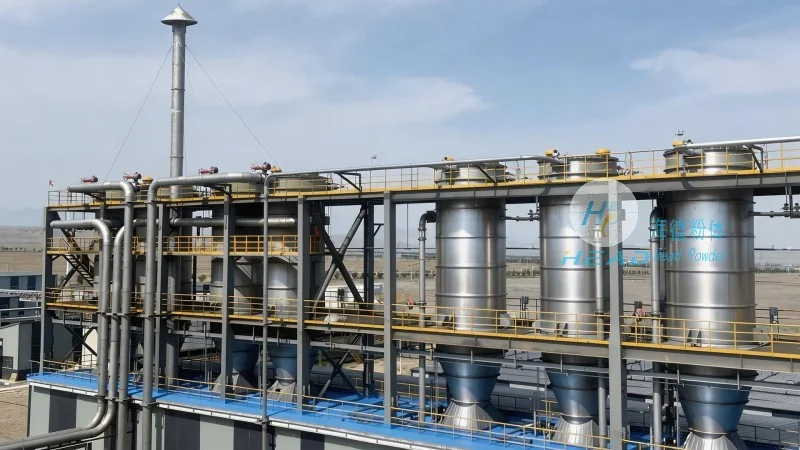
The operation process of centralized material feeding equipment typically follows a sequence of steps to ensure smooth and continuous material supply. The first step involves the loading of raw materials into the storage hopper. This can be done manually or through automated loading systems, depending on the scale of the operation. Once the hopper is filled, the feeding mechanism begins to operate, drawing material from the hopper and transporting it to the distribution network. The control system monitors the material level in the hopper and the flow rate, adjusting the feeding speed as needed to maintain a consistent supply. For example, in a vibratory feeder system, the feeder vibrates at a specific frequency to move material forward, with the amplitude and frequency controlled by the system to regulate the flow rate. The material then travels through the distribution network to the designated workstations, where it is used for processing or assembly. The entire process is designed to be continuous, with the system running until the material in the hopper is depleted, at which point it may be refilled or the system paused for maintenance.
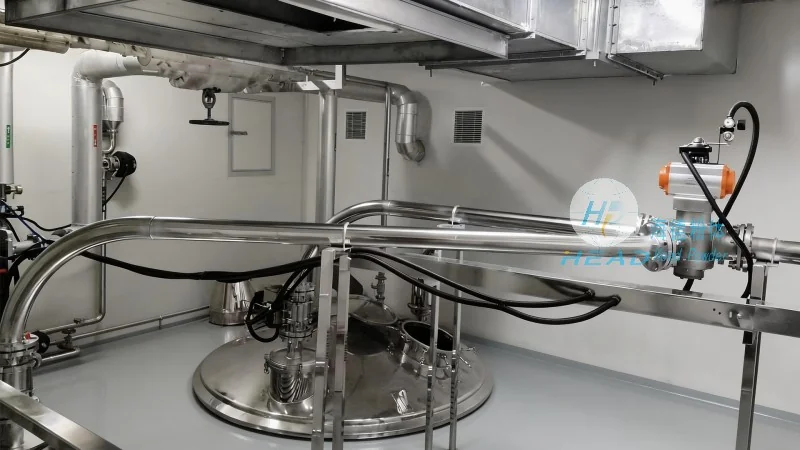
The working principle of centralized material feeding equipment is based on the principles of material flow and automation. The system operates by converting the potential energy of the stored material into kinetic energy through the feeding mechanism. In a screw feeder, for instance, the rotating screw pushes material forward, while in a vibratory feeder, the vibration causes the material to move due to gravity and the force of the vibrations. The control system plays a crucial role in maintaining the balance between the material supply rate and the demand rate from the workstations. It uses feedback from sensors, such as level sensors or flow meters, to adjust the feeding parameters in real-time. This closed-loop control ensures that the material is delivered at the exact rate required by the production process, minimizing waste and preventing overfeeding or underfeeding. Additionally, the system may incorporate safety features, such as emergency stop buttons and overload protection, to ensure safe operation and prevent damage to the equipment or materials.
Centralized material feeding equipment offers numerous benefits to industrial operations. By centralizing the material supply, it reduces the need for manual handling and transportation, which can be labor-intensive and prone to errors. The automated feeding process ensures consistent material quality and flow rate, leading to improved product consistency and reduced defects. Additionally, the system can be integrated with other automation technologies, such as robotics and computerized control systems, to create a fully automated production line. This integration enhances efficiency and reduces the need for human intervention, leading to lower labor costs and increased productivity. The applications of centralized material feeding systems are widespread, including in the manufacturing of electronics, automotive parts, pharmaceuticals, and food products, where precise material handling is critical.
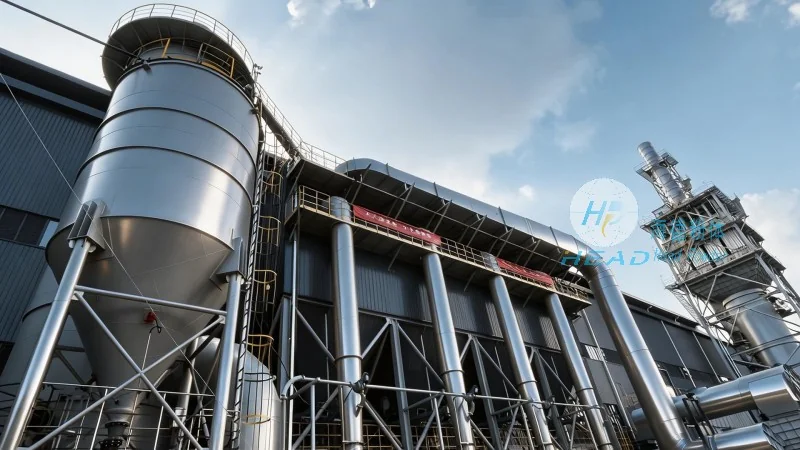
In conclusion, the operation process and working principle of centralized material feeding equipment are integral to modern industrial production, providing efficient and reliable material handling solutions. The system's design, which combines storage, feeding, and distribution components with advanced control technology, ensures that raw materials are delivered to workstations with precision and consistency. As a leading provider in the field, Shandong HeadPowder Engineering Co., Ltd. specializes in the design, manufacturing, and installation of centralized material feeding systems tailored to the specific needs of various industries. With a focus on quality and innovation, the company delivers solutions that enhance productivity, reduce costs, and improve overall operational efficiency. Based in Shandong, China, HeadPowder continues to be a trusted partner for businesses seeking to optimize their material handling processes and achieve greater manufacturing success.

 Shandong Headpowder Engineering Co., Ltd.
 156-6277-7102(Manager Zhang)
  0531-83386006
  Zhangqiu District, Jinan City, Shandong Province, China
telephone
WeChatconsult
top