With more than 10‑year industry experience, Shandong Headpowder delivers full‑service pneumatic‑conveying systems and blowers, undertaking nationwide turn‑key powder‑handling projects.
HeadPowder, a leading engineering company based in Shandong, China, specializes in the design and manufacturing of advanced pneumatic conveying systems for various industrial applications. This article explores the fundamental principles behind ABS (Acrylonitrile Butadiene Styrene) granular material handling using pneumatic conveying technology, along with key application scenarios where such systems excel.
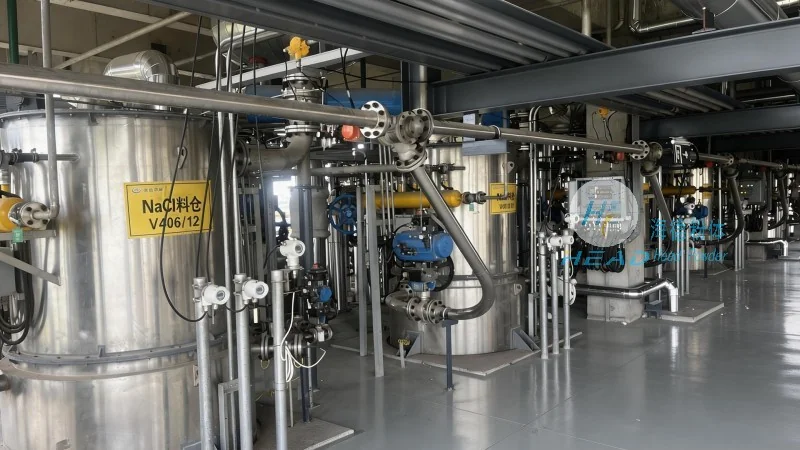
HeadPowder is a professional enterprise dedicated to providing high-quality pneumatic conveying solutions. With a strong presence in Shandong, China, the company leverages years of industry experience to deliver reliable and efficient systems tailored to customer needs. Our expertise spans from system design and installation to maintenance and technical support, ensuring optimal performance for diverse industrial processes.
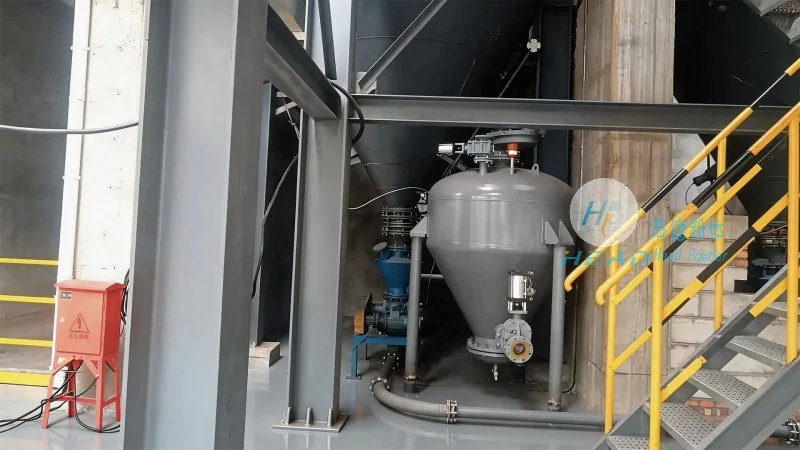
Pneumatic conveying systems utilize air or gas to transport bulk materials like ABS granules through a pipeline network. The core mechanism involves creating a pressure differential to move the material from the source to the destination. There are two primary types of pneumatic conveying: pressure and vacuum systems. For ABS granules, which are often used in plastic manufacturing, a pressure system is commonly preferred due to its ability to handle high material loads and maintain consistent flow rates. The system typically consists of a hopper, a rotary valve, a conveying line, and a receiver. The hopper stores the ABS granules, and the rotary valve controls the material discharge into the conveying line. Compressed air is then introduced to create a flow that propels the granules through the pipeline. The receiver collects the material at the destination point, completing the transport process. This method offers advantages such as reduced material degradation, minimal contamination, and the ability to handle materials in a closed system, which is crucial for maintaining product quality in applications like injection molding and extrusion.
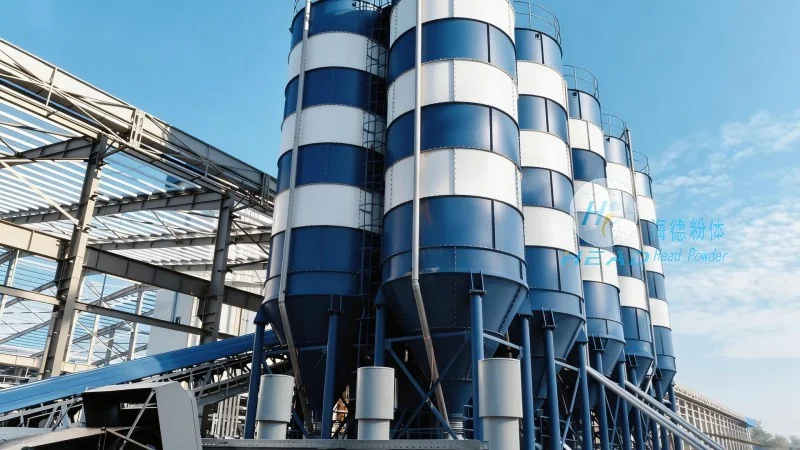
The pneumatic conveying systems for ABS granular materials are particularly well-suited for several industrial scenarios. One primary application is in the plastic manufacturing industry, where ABS is used to produce components for automotive, electronics, and consumer goods. In such settings, the system efficiently transports raw granules from storage silos to processing machines, ensuring a continuous supply without manual handling. Another key scenario is in research and development laboratories, where precise control over material flow is essential for testing and prototyping. The closed-loop design of the pneumatic system minimizes dust exposure and environmental contamination, making it ideal for sensitive applications. Additionally, the system's flexibility allows for integration with existing production lines, enabling seamless material transfer between different stages of manufacturing. The advantages of using pneumatic conveying for ABS granules include improved safety by eliminating manual handling of powders, enhanced product quality through reduced exposure to moisture and contaminants, and increased operational efficiency by automating the material transport process. These features make the system a preferred choice for industries where reliability and precision are paramount.

 Shandong Headpowder Engineering Co., Ltd.
 156-6277-7102(Manager Zhang)
  0531-83386006
  Zhangqiu District, Jinan City, Shandong Province, China
telephone
WeChatconsult
top