With more than 10‑year industry experience, Shandong Headpowder delivers full‑service pneumatic‑conveying systems and blowers, undertaking nationwide turn‑key powder‑handling projects.
HeadPowder, a leading engineering firm based in Shandong, China, specializes in the design and implementation of advanced pneumatic conveying systems tailored for handling glass fiber materials. This article delves into the fundamental principles behind these systems and highlights the key characteristics of their operational environments.
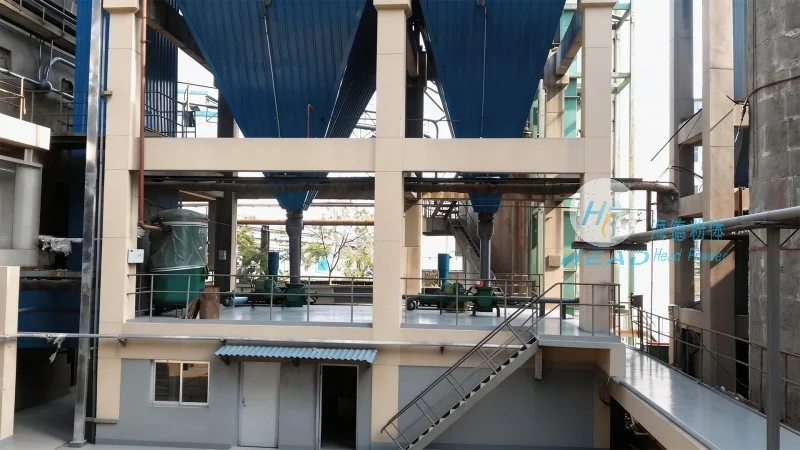
Pneumatic conveying systems utilize air or gas as the primary medium to transport bulk materials like glass fibers through a network of pipes. The core principle revolves around creating a pressure differential or using vacuum to move the material from the source to the destination. There are two main types of pneumatic conveying: pressure and vacuum systems. Pressure systems operate by forcing air into the conveying line, while vacuum systems create a negative pressure to draw the material in. For glass fiber materials, which are often lightweight and abrasive, the choice of system depends on factors such as material flow rate, distance, and the need for dust control.
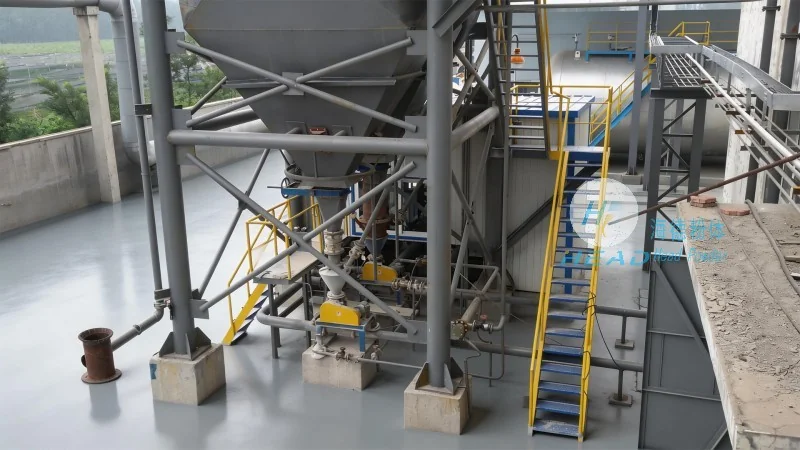
The operational environment of a pneumatic conveying line for glass fiber materials is defined by several critical characteristics that impact system performance and efficiency. First, the material's physical properties, including its density, particle size, and moisture content, play a significant role. Glass fibers are typically fine and can generate dust, requiring effective dust suppression measures. Second, the system's design must account for the material's abrasive nature, which can lead to wear on components like pipes and valves. This necessitates the use of high-quality materials, such as stainless steel or specialized coatings, to ensure long-term durability. Third, the layout of the conveying line is crucial for maintaining consistent flow and minimizing pressure losses. Factors like pipe diameter, bends, and vertical lifts all affect the system's efficiency and require careful engineering to optimize. Additionally, the integration of the system with other production processes, such as mixing or packaging, is essential for seamless material handling. The working scene also includes considerations for safety, as glass fibers can be hazardous if inhaled, and the system must be equipped with appropriate filtration and ventilation to protect operators.
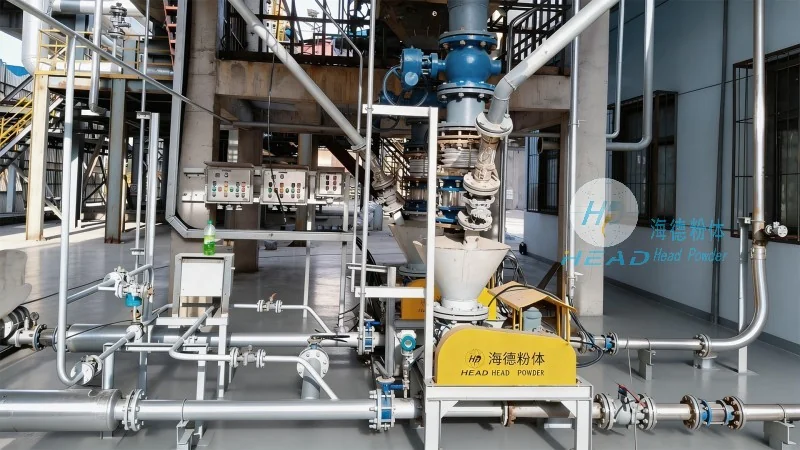
Pneumatic conveying lines for glass fiber materials are widely used in various industrial applications. In the manufacturing of composite materials, these systems efficiently transport glass fibers from storage silos to processing equipment, ensuring a continuous supply of raw material. The automotive industry, for instance, utilizes such systems to handle glass fibers for car parts, where precision and consistency are paramount. In the construction sector, glass fiber materials are used in insulation and reinforcement products, and pneumatic conveying lines facilitate the distribution of these materials to construction sites. The electronics industry also benefits from these systems, as glass fibers are used in circuit boards and other components, requiring clean and controlled handling to prevent contamination. Each of these scenarios demands a customized approach to the pneumatic conveying system, tailored to the specific material characteristics and production requirements.
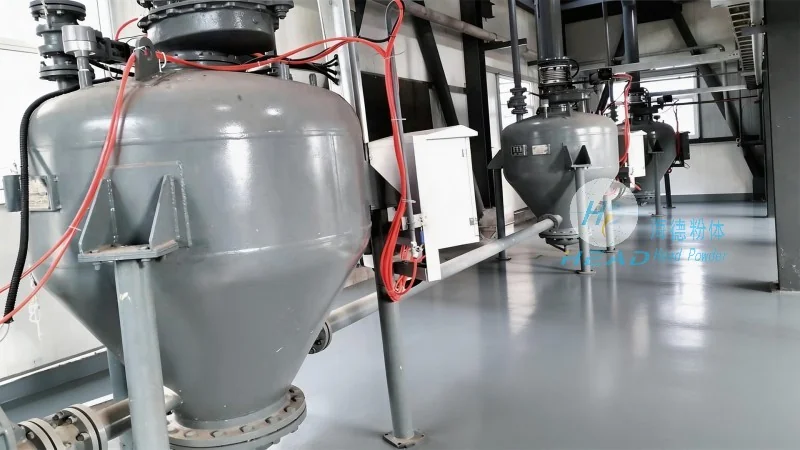
Shandong HeadPowder Engineering Co., Ltd. leverages decades of experience in engineering and material handling to provide tailored pneumatic conveying solutions for glass fiber applications. The company's team of experts conducts thorough assessments of the material properties, operational needs, and environmental factors to design systems that meet the highest standards of efficiency and reliability. From initial consultation to final installation and maintenance, HeadPowder offers comprehensive services to ensure the successful implementation of pneumatic conveying lines. The company's commitment to quality is evident in its use of advanced design software and adherence to industry best practices, resulting in systems that are durable, low-maintenance, and cost-effective. By partnering with HeadPowder, businesses can enhance their material handling processes, reduce downtime, and improve overall productivity in the handling of glass fiber materials.

 Shandong Headpowder Engineering Co., Ltd.
 156-6277-7102(Manager Zhang)
  0531-83386006
  Zhangqiu District, Jinan City, Shandong Province, China
telephone
WeChatconsult
top