With more than 10‑year industry experience, Shandong Headpowder delivers full‑service pneumatic‑conveying systems and blowers, undertaking nationwide turn‑key powder‑handling projects.
For industrial applications involving the transport of bulk materials such as cement fly ash and mineral powders, pneumatic conveying systems offer an efficient and reliable solution. These systems utilize air to move materials through a pipeline network, providing a flexible and cost-effective method for material handling. The following sections will explore the fundamental principles of pneumatic conveying technology and the specific characteristics of working environments where such systems are commonly applied.
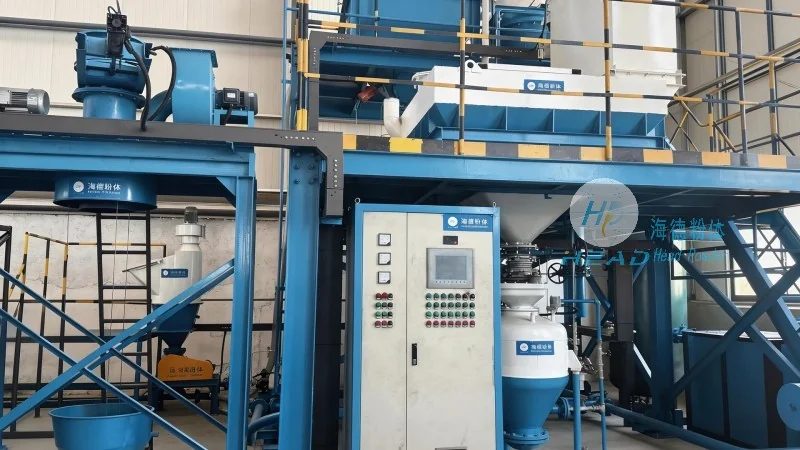
Pneumatic conveying systems are designed to transport dry bulk materials by creating a flow of air within a closed pipeline. The core components typically include a material feed hopper, a conveyor line (often equipped with air locks or rotary valves), a dust collector, and a discharge outlet. The system operates by introducing air into the pipeline, which generates sufficient velocity to lift and transport the material particles. This method is particularly advantageous for materials that are fine, dusty, or require minimal contact with equipment, as it reduces the risk of contamination and wear compared to mechanical conveyors.
The pneumatic conveying of cement fly ash and mineral powders relies on the principle of air flow and particle suspension. In a typical system, the material is fed into the conveyor line from a hopper, where it is mixed with compressed air. The air velocity is maintained at a level that ensures the particles remain suspended in the air stream, preventing settling or blockages. The system may use either positive pressure (where air is blown into the line) or negative pressure (where air is drawn out of the line) to move the material. Positive pressure systems are often preferred for long-distance or high-capacity applications, as they can handle larger volumes and are less prone to clogging. Negative pressure systems, on the other hand, are suitable for applications requiring dust control and are commonly used in environments where air quality is a concern.
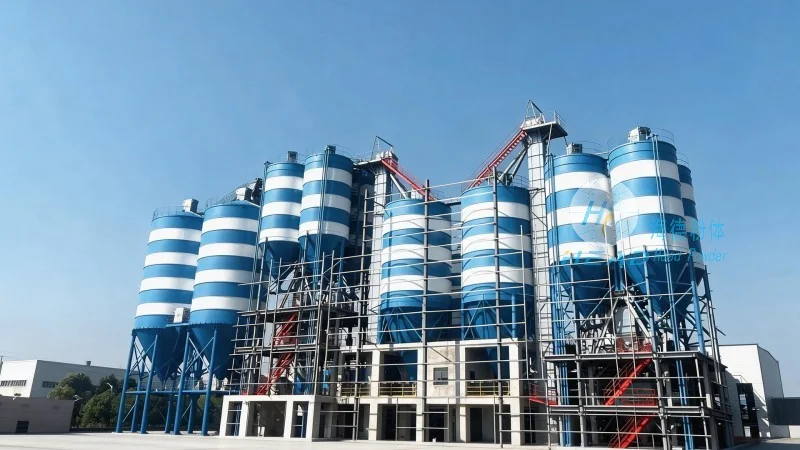
The working scene characteristics of pneumatic conveying lines for cement fly ash and mineral powders vary based on the specific industrial application and operational requirements. Key factors include the material's physical properties, such as particle size, density, and moisture content, which influence the system's design and performance. For example, fine powders like cement fly ash may require higher air velocities to maintain suspension, while coarser mineral powders might need larger duct sizes to prevent blockages. Additionally, the system's layout and integration with other equipment, such as storage silos or processing units, affect the overall efficiency and reliability of material transport. In industrial settings, these conveying lines are often integrated into larger production processes, where they play a critical role in maintaining a continuous flow of raw materials to downstream equipment. The working environment may also involve considerations for dust control and safety, as the transport of fine powders can generate airborne particles that need to be managed to comply with environmental regulations and ensure worker safety.
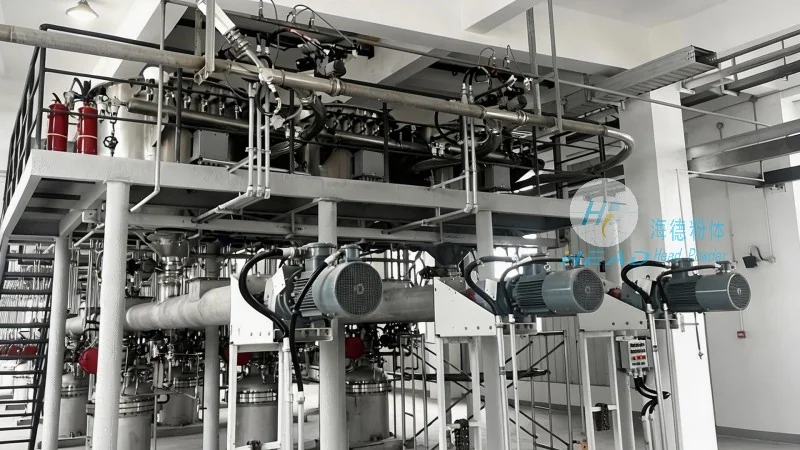
Pneumatic conveying lines for cement fly ash and mineral powders are widely used in various industrial sectors, including cement manufacturing, mining, and chemical processing. In cement plants, these systems are essential for transporting raw materials like fly ash and mineral additives from storage silos to the production line, ensuring a consistent supply of materials for cement production. In mining operations, they are used to move crushed minerals from processing facilities to storage or shipping areas, providing a flexible solution for handling bulk materials in remote or challenging environments. The operational scenarios often involve high-volume, continuous operation, with the system designed to handle varying material feed rates and maintain consistent performance over extended periods. The working scene characteristics also include considerations for system maintenance and reliability, as downtime in material transport can significantly impact production efficiency and costs. Regular maintenance of components such as air filters, valves, and ductwork is crucial to ensure the system operates smoothly and meets the required performance standards.
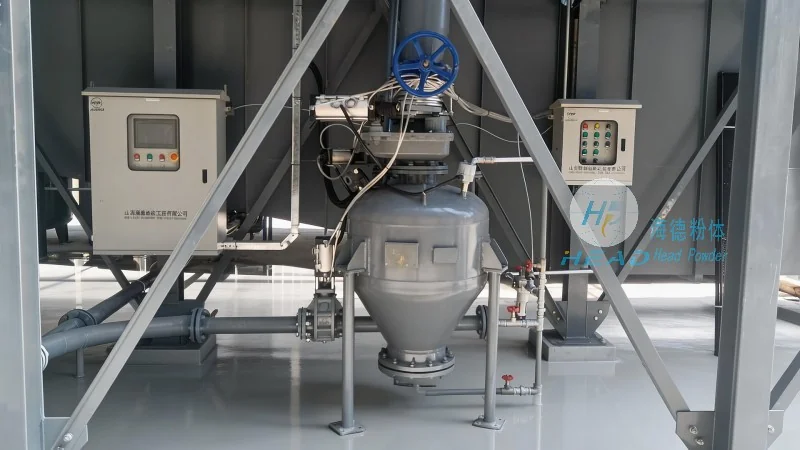
When evaluating pneumatic conveying systems for cement fly ash and mineral powders, several advantages and considerations must be taken into account. The primary benefits include the ability to transport materials over long distances without the need for multiple transfer points, reduced material degradation due to minimal contact with equipment, and improved safety by minimizing manual handling of dusty materials. However, the system also has specific considerations, such as the need for adequate air supply and pressure control to maintain optimal performance, and the potential for increased energy consumption compared to mechanical conveyors. Additionally, the design of the system must account for the material's properties, including its tendency to agglomerate or clog, which may require specialized equipment like air locks or rotary valves to prevent blockages. The working scene characteristics also involve the integration of dust collection systems to manage airborne particles and comply with environmental regulations, ensuring that the system operates in a safe and compliant manner.
In conclusion, pneumatic conveying lines for cement fly ash and mineral powders are a critical component in modern industrial material handling, offering an efficient and reliable method for transporting bulk materials. The principles of operation, based on air flow and particle suspension, enable the system to handle a wide range of materials with minimal degradation and reduced risk of contamination. The working scene characteristics, influenced by material properties, system layout, and operational requirements, determine the optimal design and performance of the conveying line. As industrial processes continue to evolve, the demand for flexible and high-capacity material transport solutions will likely increase, making pneumatic conveying systems an essential technology for companies like Shandong HeadPowder Engineering Co., Ltd., which specializes in providing tailored solutions for bulk material handling in various industrial applications.

 Shandong Headpowder Engineering Co., Ltd.
 156-6277-7102(Manager Zhang)
  0531-83386006
  Zhangqiu District, Jinan City, Shandong Province, China
telephone
WeChatconsult
top