With more than 10‑year industry experience, Shandong Headpowder delivers full‑service pneumatic‑conveying systems and blowers, undertaking nationwide turn‑key powder‑handling projects.
For the production of lithium-ion batteries, the efficient and safe handling of lithium cobalt oxide (LCO) material is crucial. Pneumatic conveying systems have emerged as a key technology in this field, offering advantages such as dust-free operation, low energy consumption, and flexible layout. This article explores the principles of lithium cobalt oxide material pneumatic conveying machines and their typical application scenarios, providing insights into the technology's role in modern battery material processing.
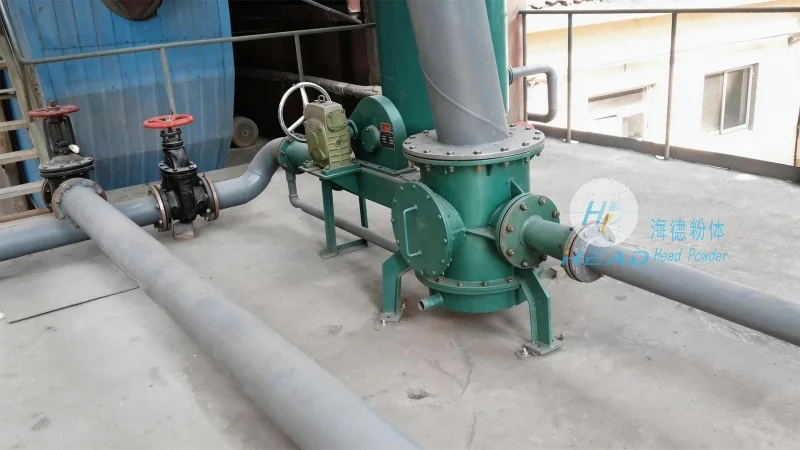
Lithium cobalt oxide is a critical cathode material used in lithium-ion batteries, known for its high energy density and stable performance. The material is typically produced in powder form and requires precise handling to maintain its quality and prevent contamination. Pneumatic conveying, a method that uses air or other gases to transport bulk materials through a pipeline system, has become the preferred solution for moving LCO material in industrial settings. Unlike traditional mechanical conveying methods, pneumatic systems eliminate the need for direct contact between the material and machinery, reducing the risk of material degradation and improving overall process reliability.
The fundamental principle of pneumatic conveying involves creating a pressure differential to move material through a pipeline. There are two main types of pneumatic conveying systems: positive pressure (or pressure) systems and negative pressure (or vacuum) systems. In a positive pressure system, air is forced into the conveying line at a higher pressure than the ambient environment, pushing the material forward. This method is suitable for long-distance and high-capacity transport and is commonly used in large-scale battery material production facilities. The negative pressure system, on the other hand, draws material into the line using a vacuum, which is ideal for applications requiring dust collection and material recovery from existing systems.
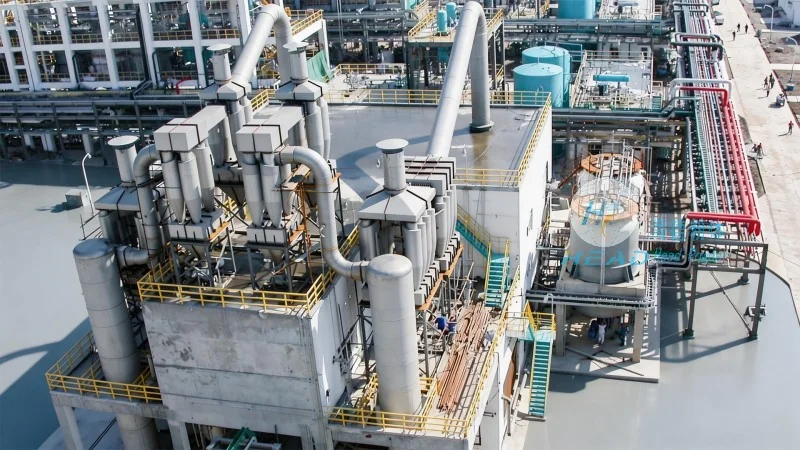
A lithium cobalt oxide material pneumatic conveying machine typically consists of several key components, including a hopper for material storage, a feeder to control the material flow rate, a conveying pipeline, a dust collector to capture any airborne particles, and a discharge device for material release. The process begins with the material being fed from the hopper into the conveying line. The feeder, often a rotary valve or a screw feeder, regulates the material discharge rate to ensure a consistent flow. As the material enters the pipeline, it is mixed with the conveying air, which creates a slurry-like mixture that moves through the system. The air velocity is carefully controlled to maintain the material in suspension without causing excessive wear on the pipeline or equipment. At the discharge end, the material is separated from the air, usually through a cyclone separator or a filter, and collected in a receiving container. The air is then either recirculated or vented to the atmosphere, depending on the system design.
The application of lithium cobalt oxide material pneumatic conveying machines is characterized by specific working scene requirements that align with the demands of battery material production. These characteristics include high material purity, low contamination risk, and efficient transport over varying distances. In industrial settings, such as battery material processing plants, the equipment is often integrated into a larger production line, connecting different processing stages like material storage, mixing, and packaging. The flexibility of pneumatic conveying allows for the design of compact layouts, minimizing the footprint of the facility while maximizing throughput. Additionally, the system's ability to handle fine powders without clogging makes it suitable for LCO material, which has a relatively fine particle size and can be prone to agglomeration.
When applied to lithium cobalt oxide material handling, pneumatic conveying systems offer several advantages that contribute to the overall efficiency and quality of battery production. First, the dust-free operation reduces the risk of material contamination, which is critical for maintaining the high purity of LCO. This is particularly important in the cathode material production stage, where even small amounts of impurities can affect the battery's performance and lifespan. Second, the low energy consumption of pneumatic systems helps reduce operational costs, making them economically viable for large-scale production. Third, the flexibility of the system allows for easy integration with existing production lines, minimizing downtime during installation and maintenance. Finally, the ability to handle both dry and slightly moist materials makes pneumatic conveying suitable for a wide range of LCO processing steps, from raw material transport to finished product packaging.
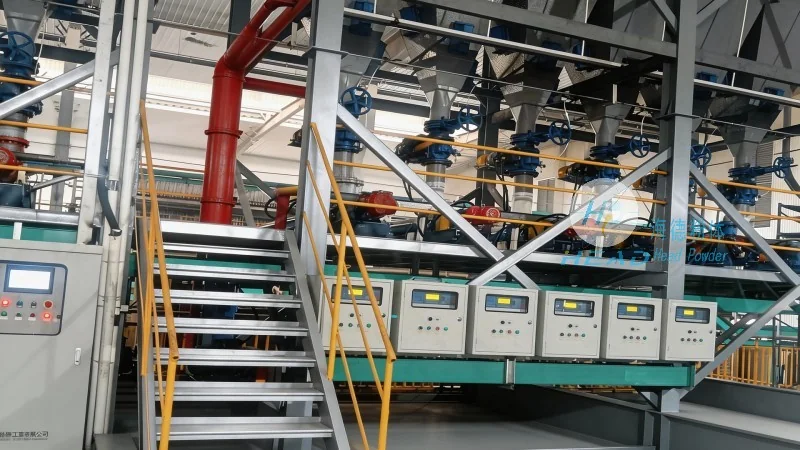
Shandong HeadPowder Engineering Co., Ltd., a leading manufacturer of material handling equipment based in Shandong, China, has developed specialized pneumatic conveying solutions for lithium cobalt oxide material. The company's expertise in designing and manufacturing customized conveying systems has enabled it to meet the specific needs of battery material producers. For instance, one of their projects involved supplying a positive pressure pneumatic conveying system to a lithium battery manufacturer, which was used to transport LCO material from a storage silo to a mixing plant over a distance of 200 meters. The system was designed with high-efficiency cyclone separators and a dust collection system to ensure minimal material loss and compliance with environmental regulations. The successful implementation of this system resulted in a significant improvement in production efficiency and a reduction in operational costs for the client.
In conclusion, lithium cobalt oxide material pneumatic conveying machines represent a sophisticated and efficient solution for handling critical battery materials. The principles of pneumatic conveying, combined with specialized design considerations for LCO, ensure that the material is transported safely and effectively. The working scene characteristics, such as high purity requirements and flexible integration, make these systems indispensable in modern battery material production. As the demand for lithium-ion batteries continues to grow, the role of advanced material handling technologies like pneumatic conveying will become increasingly important. Companies like Shandong HeadPowder Engineering Co., Ltd. are at the forefront of developing and implementing these solutions, ensuring that the battery industry can meet the growing demand for high-quality cathode materials.

 Shandong Headpowder Engineering Co., Ltd.
 156-6277-7102(Manager Zhang)
  0531-83386006
  Zhangqiu District, Jinan City, Shandong Province, China
telephone
WeChatconsult
top