With more than 10‑year industry experience, Shandong Headpowder delivers full‑service pneumatic‑conveying systems and blowers, undertaking nationwide turn‑key powder‑handling projects.
Perlite powder conveying equipment is a specialized system designed to handle the transportation of perlite powder, a lightweight, porous volcanic rock material commonly used in construction, horticulture, and industrial applications. The efficient operation of such equipment is crucial for maintaining product quality, ensuring consistent flow rates, and minimizing material loss during the conveying process. This article provides an in-depth look at the operation process and working principle of perlite powder conveying equipment, highlighting the key components, mechanisms, and operational steps involved.
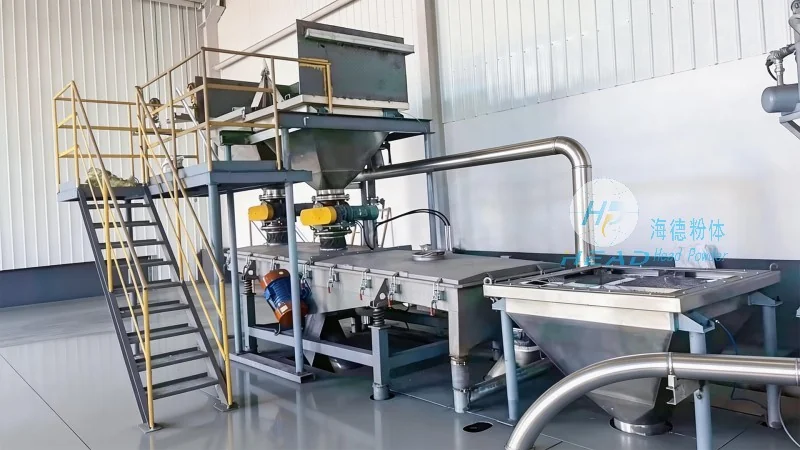
Perlite powder conveying systems typically consist of several core components that work in tandem to ensure smooth and reliable material transport. The primary components include a hopper for material storage, a feeder to control the flow rate, a conveyor (such as a pneumatic or mechanical conveyor), and a control system to regulate the entire process. Each component plays a vital role in maintaining the integrity of the perlite powder and ensuring efficient operation.
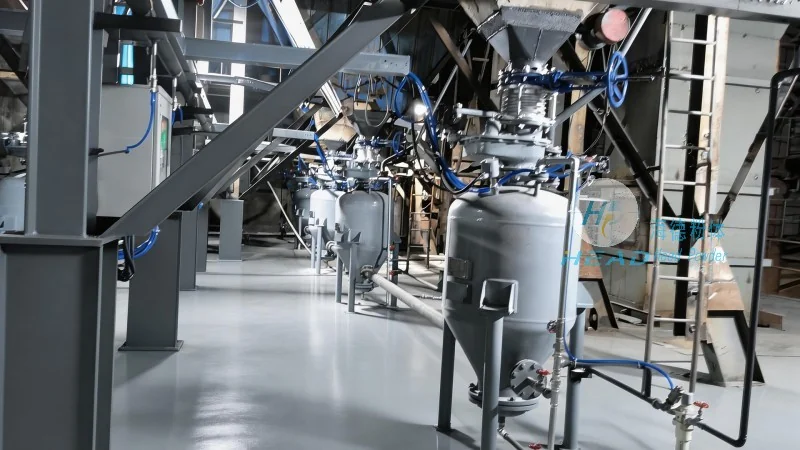
The working principle of perlite powder conveying equipment revolves around the use of air or mechanical force to move the lightweight perlite particles from the source to the destination. In pneumatic conveying systems, for example, compressed air is used to create a flow that propels the powder through a pipeline. The air velocity is carefully controlled to prevent particle segregation or clogging, which is critical for maintaining the uniformity of the perlite powder. Mechanical conveyors, on the other hand, use rotating blades or belts to move the material, providing a more direct and controlled transport method.
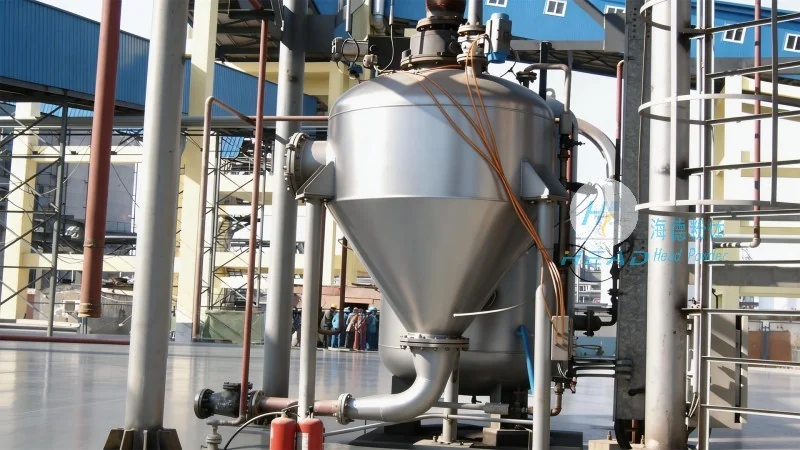
The operation process of perlite powder conveying equipment involves several sequential steps that ensure the material is transported safely and efficiently. The process typically begins with the loading of perlite powder into the hopper. The feeder then regulates the flow rate, ensuring a consistent supply of material to the conveyor. The conveyor system then transports the powder to the desired location, such as a storage silo or processing unit. Throughout the process, the control system monitors key parameters like pressure, flow rate, and temperature to maintain optimal operation. Regular maintenance and monitoring are essential to prevent issues like blockages or material degradation.
Efficiency and product quality are paramount in perlite powder conveying operations. Proper design and maintenance of the equipment are crucial to minimize material loss and ensure consistent performance. Factors such as air pressure, particle size, and humidity can significantly impact the conveying process, and adjustments must be made as needed to maintain optimal conditions. Additionally, the use of high-quality materials and components helps to extend the lifespan of the equipment and reduce downtime.
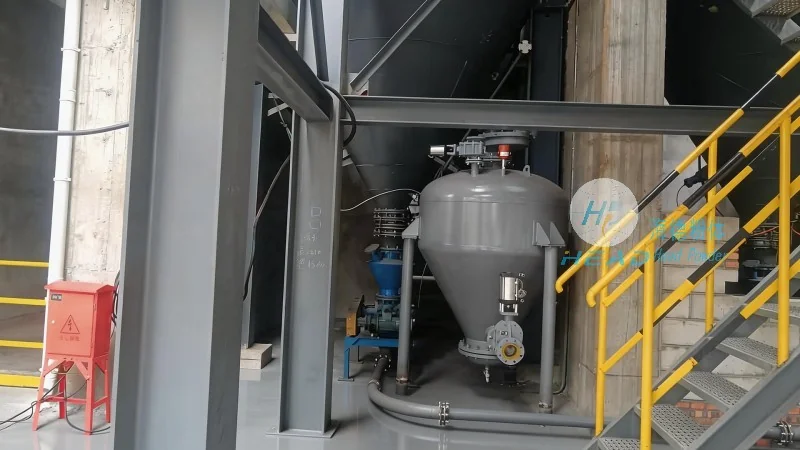
Shandong HeadPowder Engineering Co., Ltd., commonly known as headpowder, is a leading manufacturer and supplier of specialized powder handling equipment. With a focus on innovation and quality, the company has developed advanced solutions for the transportation and processing of various powders, including perlite. Headpowder's expertise in material handling technology ensures that their equipment meets the highest standards of performance and reliability. The company's headquarters is located in Shandong, China, where they continue to develop and improve their products to meet the evolving needs of the industry.

 Shandong Headpowder Engineering Co., Ltd.
 156-6277-7102(Manager Zhang)
  0531-83386006
  Zhangqiu District, Jinan City, Shandong Province, China
telephone
WeChatconsult
top