

Principle and Working Scene Characteristics of Titanium Dioxide Powder Pneumatic Conveying Equipment
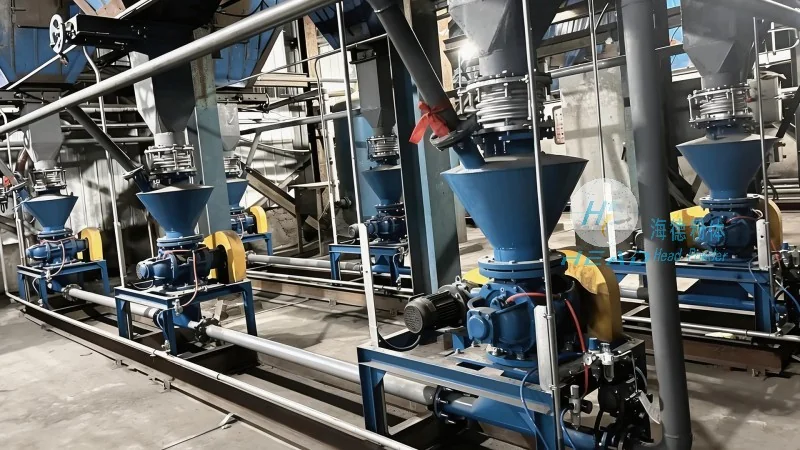
HeadPowder, a leading provider in the field, specializes in advanced pneumatic conveying solutions tailored for the handling of titanium dioxide powders. This article explores the fundamental principles behind such systems and highlights the key operational characteristics and application scenarios that define their effectiveness in industrial settings.
About HeadPowder Engineering Co., Ltd.
HeadPowder, formally known as Shandong HeadPowder Engineering Co., Ltd., is headquartered in Shandong, China. The company has established itself as a trusted partner in the development and implementation of efficient material handling technologies, focusing on solutions that meet the stringent demands of modern industrial processes.
The Working Principle of Pneumatic Conveying for Titanium Dioxide
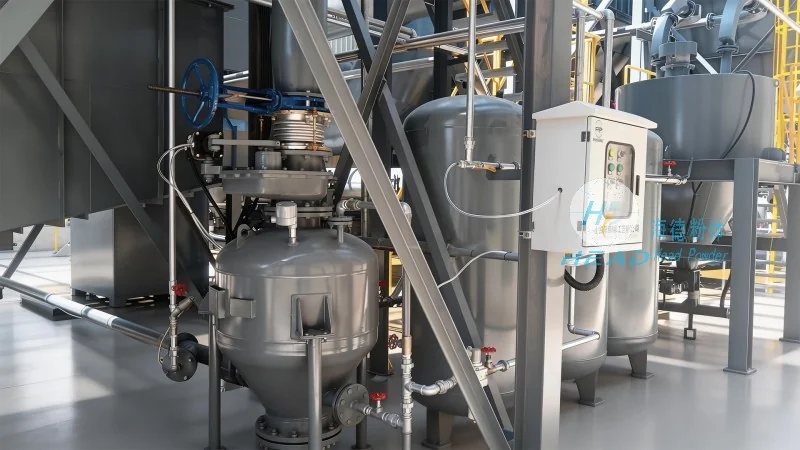
Pneumatic conveying systems utilize air or gas to transport bulk materials like titanium dioxide powder through a pipeline network. The core mechanism involves creating a pressure differential between the material source and the destination. In a typical setup, a blower or compressor generates the necessary airflow, which draws the powder particles into the conveying line. The system can operate in either positive pressure (where air is forced through the line) or negative pressure (where air is drawn out, creating a vacuum). For titanium dioxide, which is often used in high-purity applications, the design of the conveying system is critical to maintain particle integrity and prevent agglomeration or degradation.
Key Working Scene Characteristics
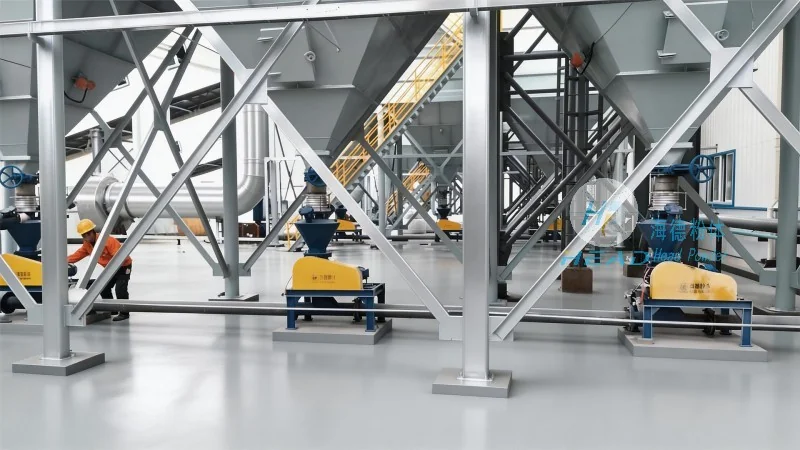
The effectiveness of titanium dioxide powder pneumatic conveying systems is defined by several critical characteristics that adapt to diverse industrial needs. These include: high efficiency in material transport, ensuring minimal loss and rapid transfer between processing stages; flexibility in system configuration, allowing for integration with existing production lines or customized layouts to suit specific facility layouts; environmental control, which is essential for maintaining the purity of titanium dioxide, as the system minimizes exposure to contaminants and dust; and energy efficiency, with optimized airflow management reducing operational costs while preserving performance.
Application Scenarios and Operational Advantages
These systems are commonly employed in scenarios where the consistent and reliable transfer of titanium dioxide is paramount. For instance, in pigment manufacturing plants, the pneumatic conveying system ensures that raw titanium dioxide is delivered to mixing and grinding units without interruption, maintaining product quality and batch consistency. Similarly, in coating and paint production, the ability to handle fine powders with minimal segregation or degradation is crucial, and the pneumatic conveying system provides the necessary precision. The design also considers factors such as the powder's flowability and potential for static charge, incorporating features like anti-static coatings and proper grounding to ensure safe and efficient operation.
Conclusion
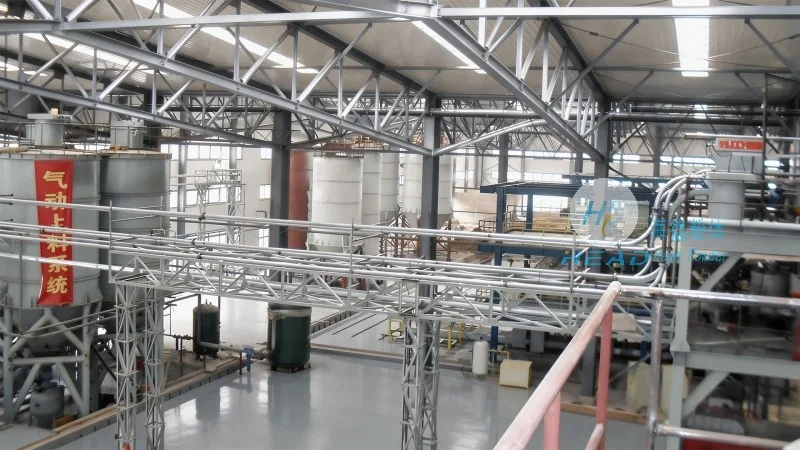
HeadPowder's expertise in designing and implementing titanium dioxide powder pneumatic conveying systems reflects a deep understanding of both the material properties and the operational requirements of industrial applications. By focusing on principles such as efficient airflow management, robust system design, and adherence to quality standards, the company delivers solutions that enhance productivity, reduce downtime, and maintain the high purity standards essential for titanium dioxide applications. With its headquarters in Shandong, China, HeadPowder continues to be a key player in providing tailored material handling solutions for the global industry.